 Eyes Matrix Contacts Lenses
Eyes Matrix Contacts Lenses
Eyes Matrix Contacts Lenses
Engineered for optimal corneal oxygenation, comfort, and precise 14.0mm structural diameter fitment.



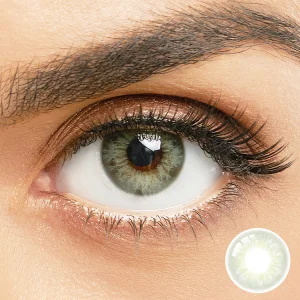
Expert insights on regulatory frameworks, material engineering, and commercial supply chain integration for Canada.
In the global ophthalmic and cosmetic contact lens industries, total diameter (TD) is a critical parameter determining ocular surface compatibility, tear exchange rate, and placement stability. The 14.0mm diameter standard represents the optimal engineering equilibrium for the vast majority of human corneas, specifically within Caucasian and diverse demographic regions like Canada.
Unlike larger decorative contact lenses (e.g., 14.5mm or 15.0mm) designed primarily for dramatic iris-enlargement effects, a 14.0mm configuration matches the physiological structure of the average human cornea. This prevents localized hypoxic zones under the lens perimeter. In high-standard medical optics, a 14.0mm lens paired with a base curve (BC) ranging between 8.5mm and 8.7mm allows for optimal sagittal depth. This structural alignment facilitates the continuous flow of metabolic tear fluid beneath the lens, minimizing the risks of Giant Papillary Conjunctivitis (GPC) and corneal epithelial compromise.
Canada maintains some of the most rigorous ophthalmic quality standards globally, governed under Health Canada’s Medical Devices Regulations (SOR/98-282). Within the Canadian legal framework, both corrective (prescription) and non-corrective (cosmetic/decorative) contact lenses are classified as Class II Medical Devices. As a result, any manufacturer supplying the Canadian market must possess a valid Medical Device Establishment License (MDEL) or distribute through an MDEL-certified partner.
Furthermore, Canadian consumer patterns demonstrate an increasing shift towards premium ocular cosmetics and therapeutic daily/monthly wear. Importers located in major logistical hubs like Toronto, Vancouver, and Montreal demand absolute product transparency, including batch-traceable raw material sources, biocompatibility data (ISO 10993 compliance), and automated manufacturing histories. For commercial success, 14.0mm lenses must align with Health Canada's requirements: double-sided sandwich printing technologies (ensuring pigments never contact the corneal epithelium) and high oxygen transmissibility (Dk/t) thresholds.
Engineered for high comfort, rich color accuracy, and durability under varied environmental conditions.
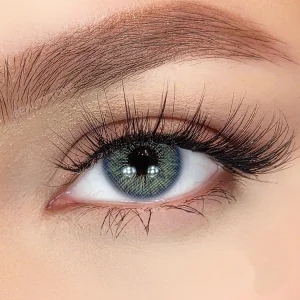
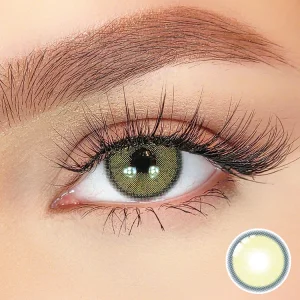
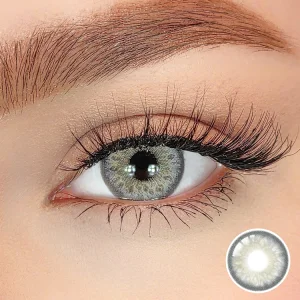
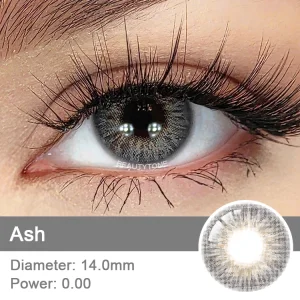
High-performance 14.0mm contact lenses rely on precise material chemistry and polymer synthesis. Modern manufacturing utilizes either high-grade HEMA-based hydrogels (e.g., polymacon, hefilcon) or next-generation Silicone Hydrogel formulations. Silicone hydrogel represents the industry standard for reducing hypoxia-related complications. It incorporates fluorosilicone macromers to establish highly continuous microscopic oxygen-permeability paths through the polymer matrix.
Additionally, maintaining a balanced hydration equilibrium is essential. High water content (e.g., 58%) provides excellent initial comfort. However, in low-humidity environments common during Canadian winters, high water content lenses can draw moisture away from the tear film, leading to dry eye symptoms. Our advanced R&D team optimizes water content to 38%–42% for yearly and monthly wear. This provides consistent structural stability, minimizes tear absorption, and ensures a comfortable, long-term fit.
Our sandwich printing process seals cosmetic color pigments between micro-layers of clear hydrogel. This design ensures that the pigment layer never makes contact with the cornea or palpebral conjunctiva, maintaining standard safety across yearly wear cycles.
Utilizing high-precision automated wet cast-molding systems, our lenses exhibit edge profiles designed to minimize mechanical friction. This process provides highly consistent curvature tolerances compared to traditional lathe-cutting.
To reduce hydrophobic zones on silicone hydrogel surfaces, we apply a plasma oxidation layer. This increases surface energy, improves wetability, and prevents lipid and protein deposits from adhering to the lens.
For optical distributors, pharmacy networks, and private label cosmetic brands in Canada, establishing a resilient global supply chain is essential. Traditional sourcing often introduces long lead times, variable batch quality, and lack of compliance documentation. An integrated OEM/ODM partnership addresses these pain points by offering scalable manufacturing solutions.
Our manufacturing platform is built on transparency and batch consistency. By utilizing automated vision inspection systems, we inspect every lens for surface micro-tears, hydration levels, and color centering. Canadian brands can customize packaging, choose blister or glass vial options, and establish scheduled bulk delivery structures. This approach reduces supply chain risk, optimizes inventory management, and ensures compliance with Canadian regulations.
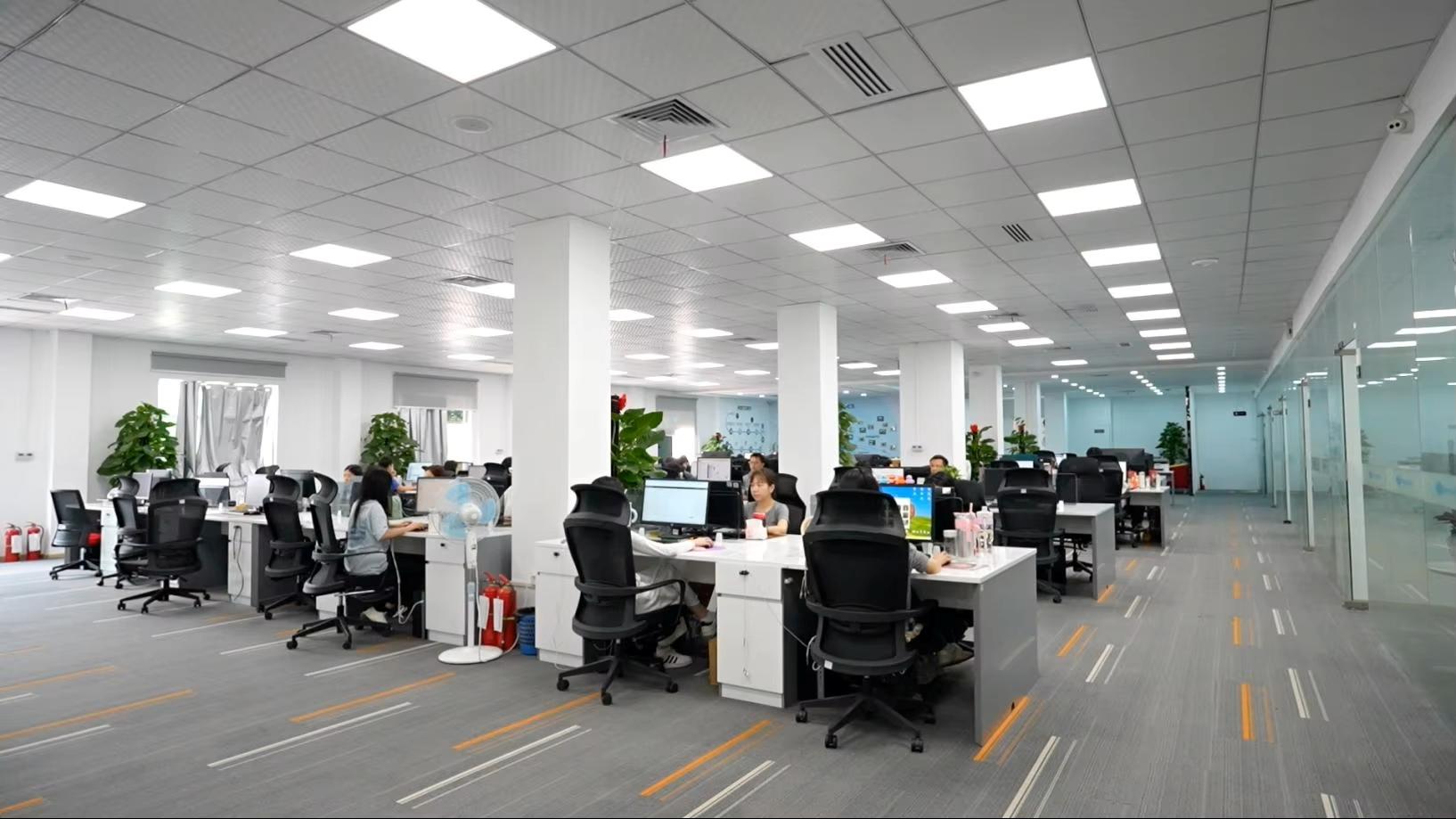
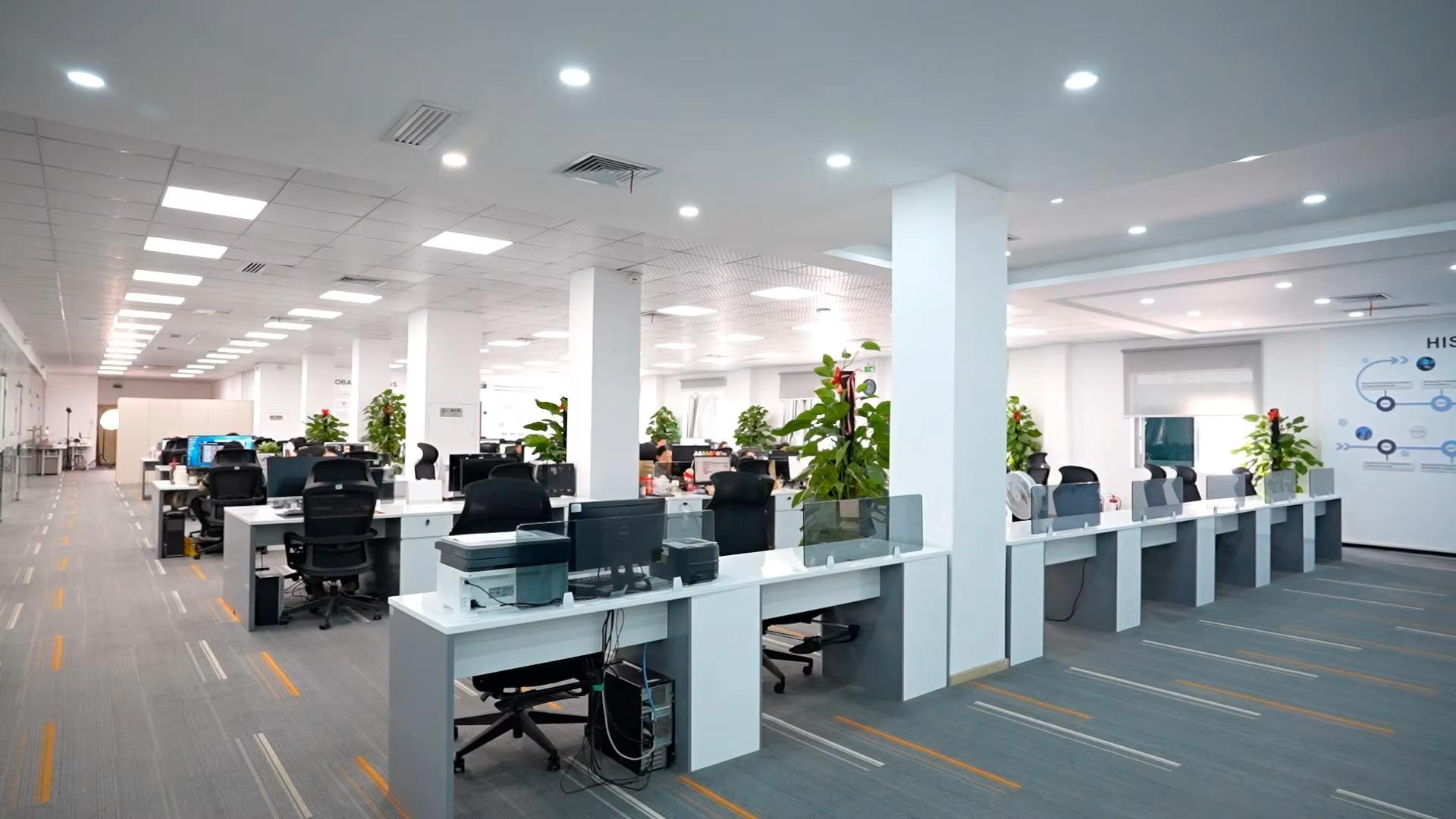
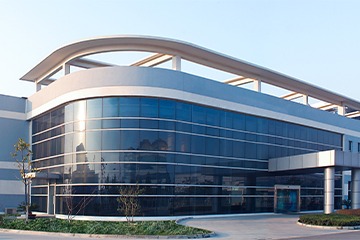
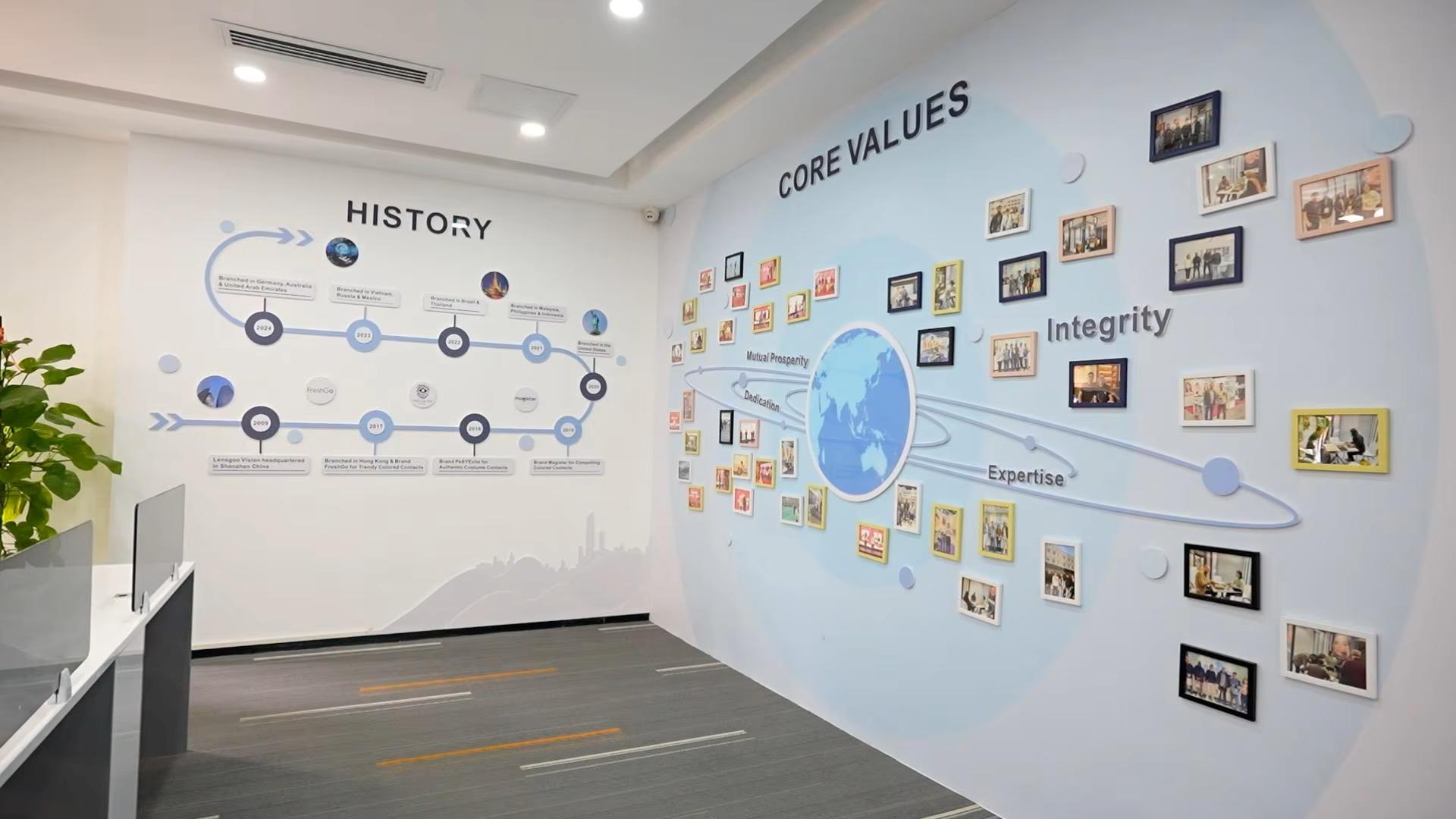
Explore our cleanrooms, precision molding systems, and spectral analysis labs at Eyes Matrix Technology Co., Ltd.
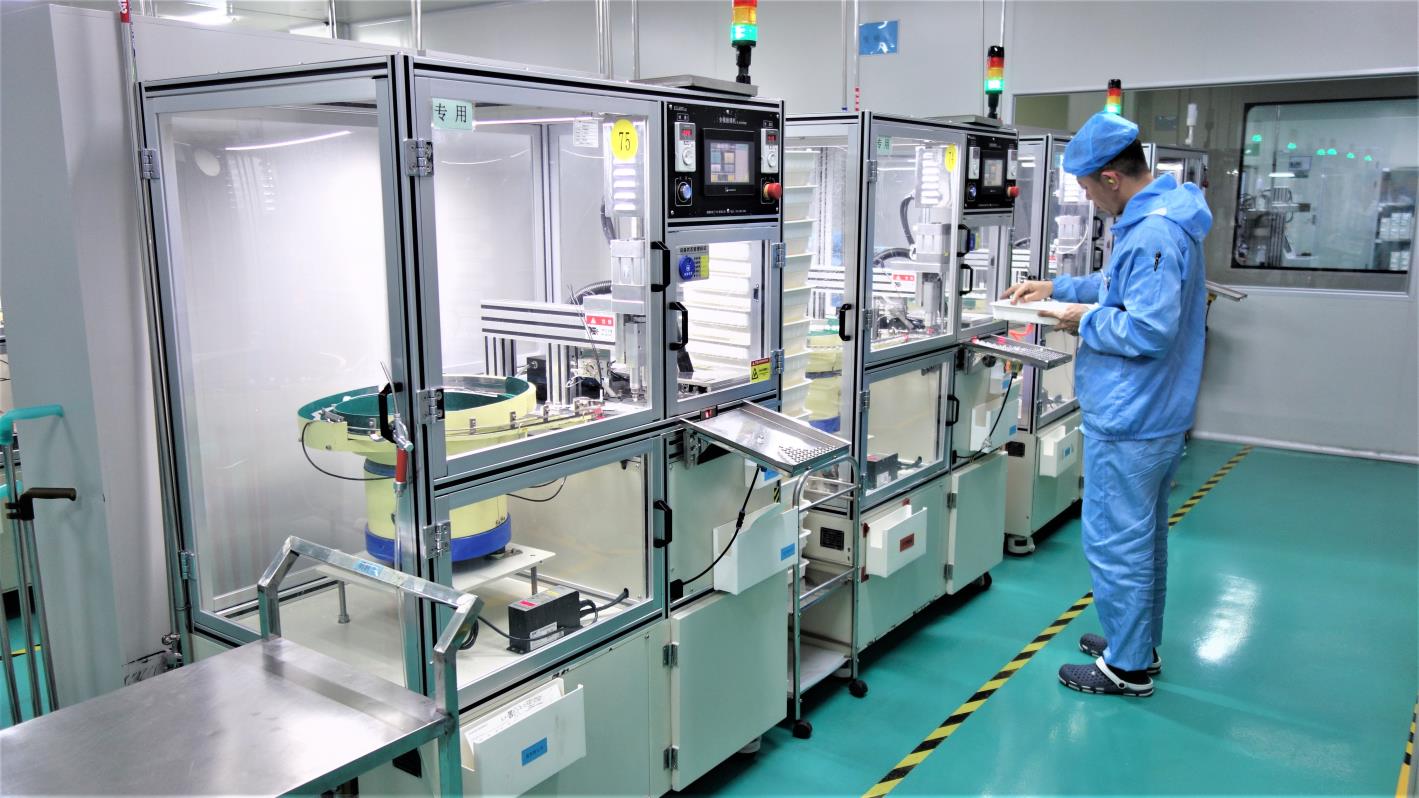
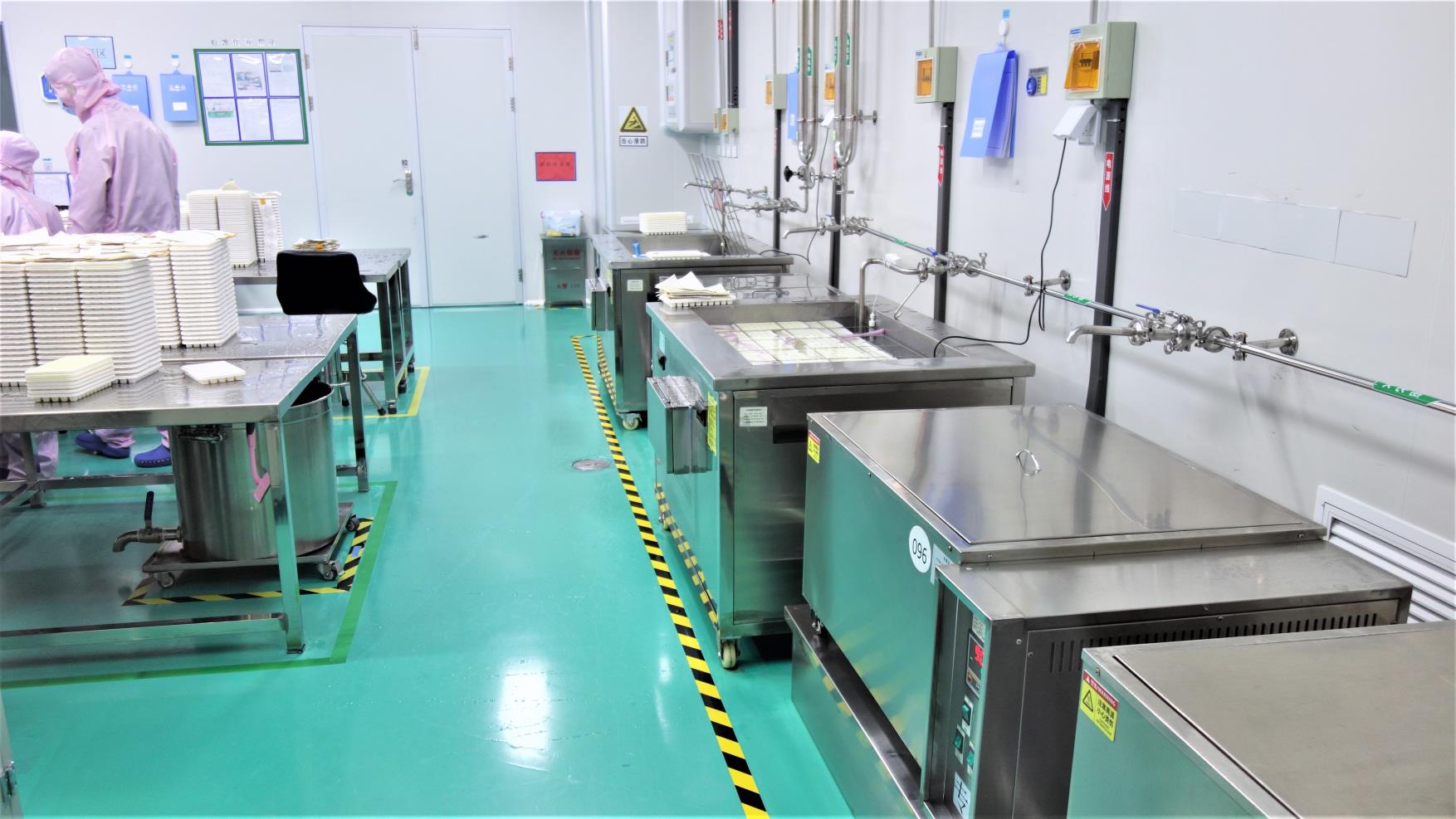
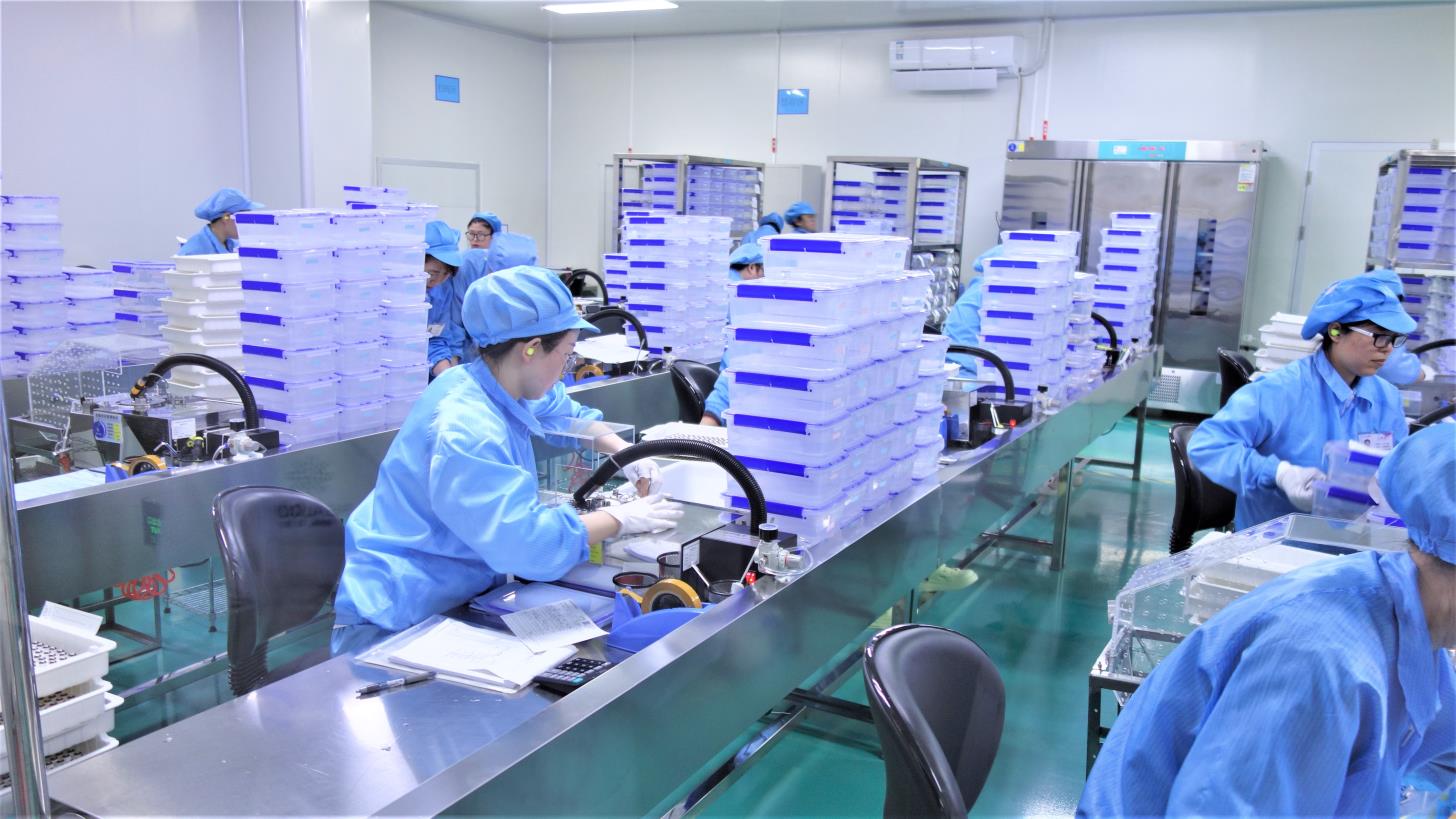
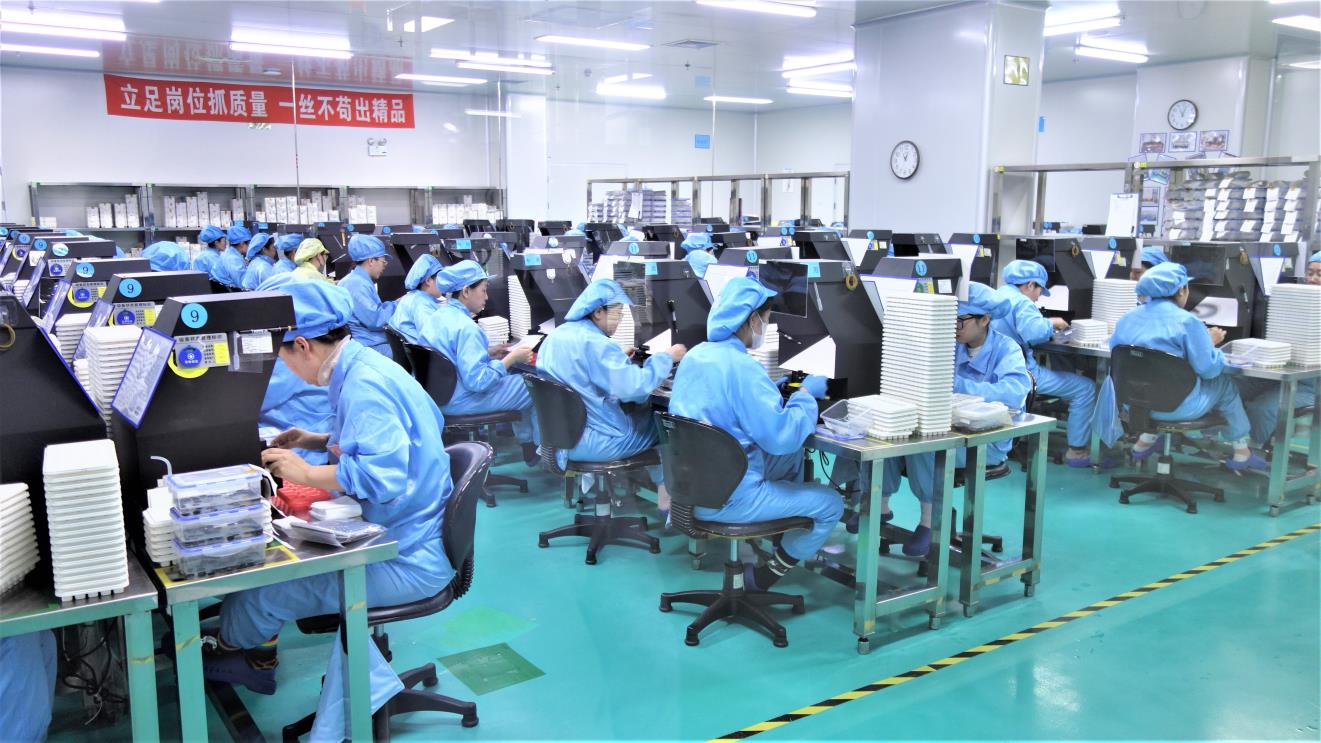
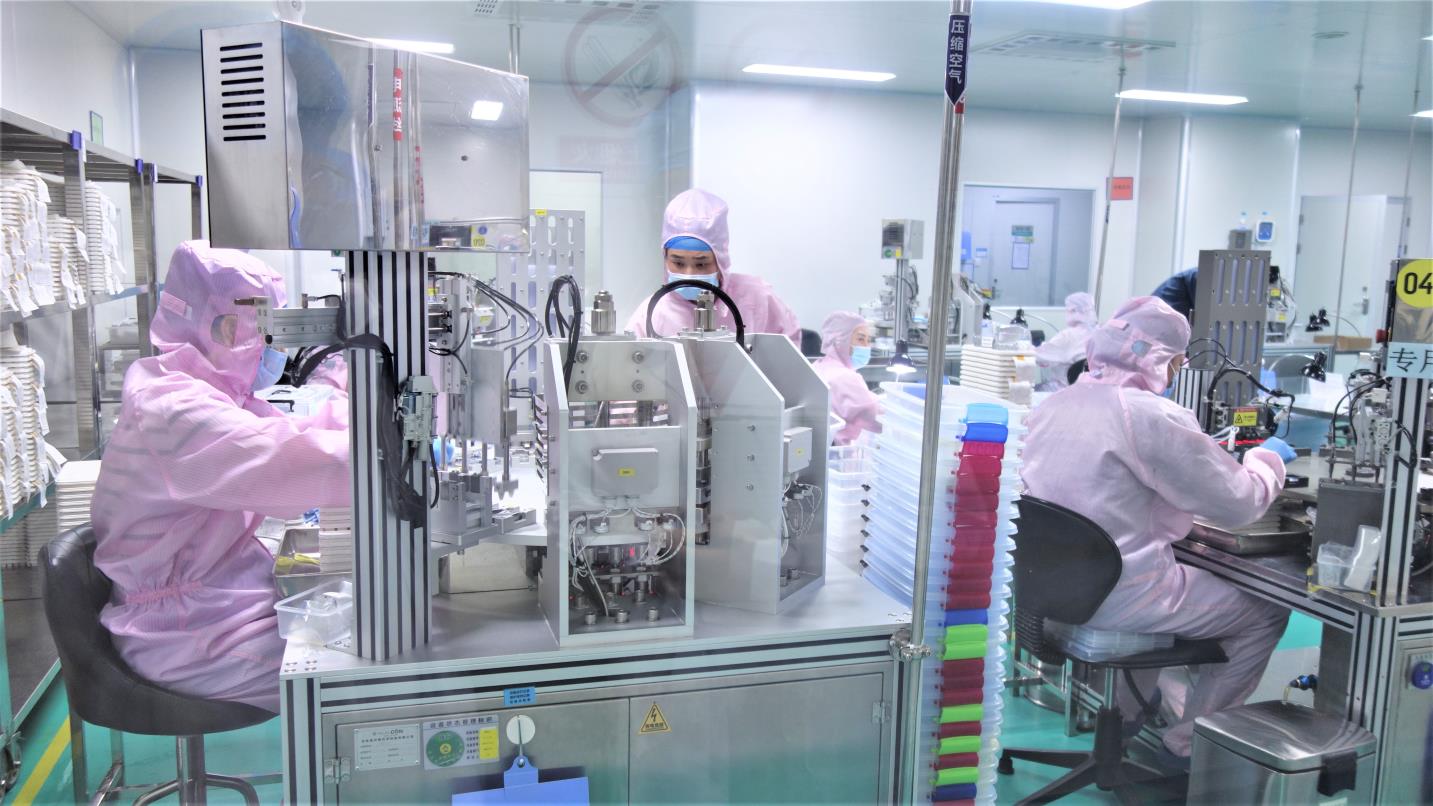
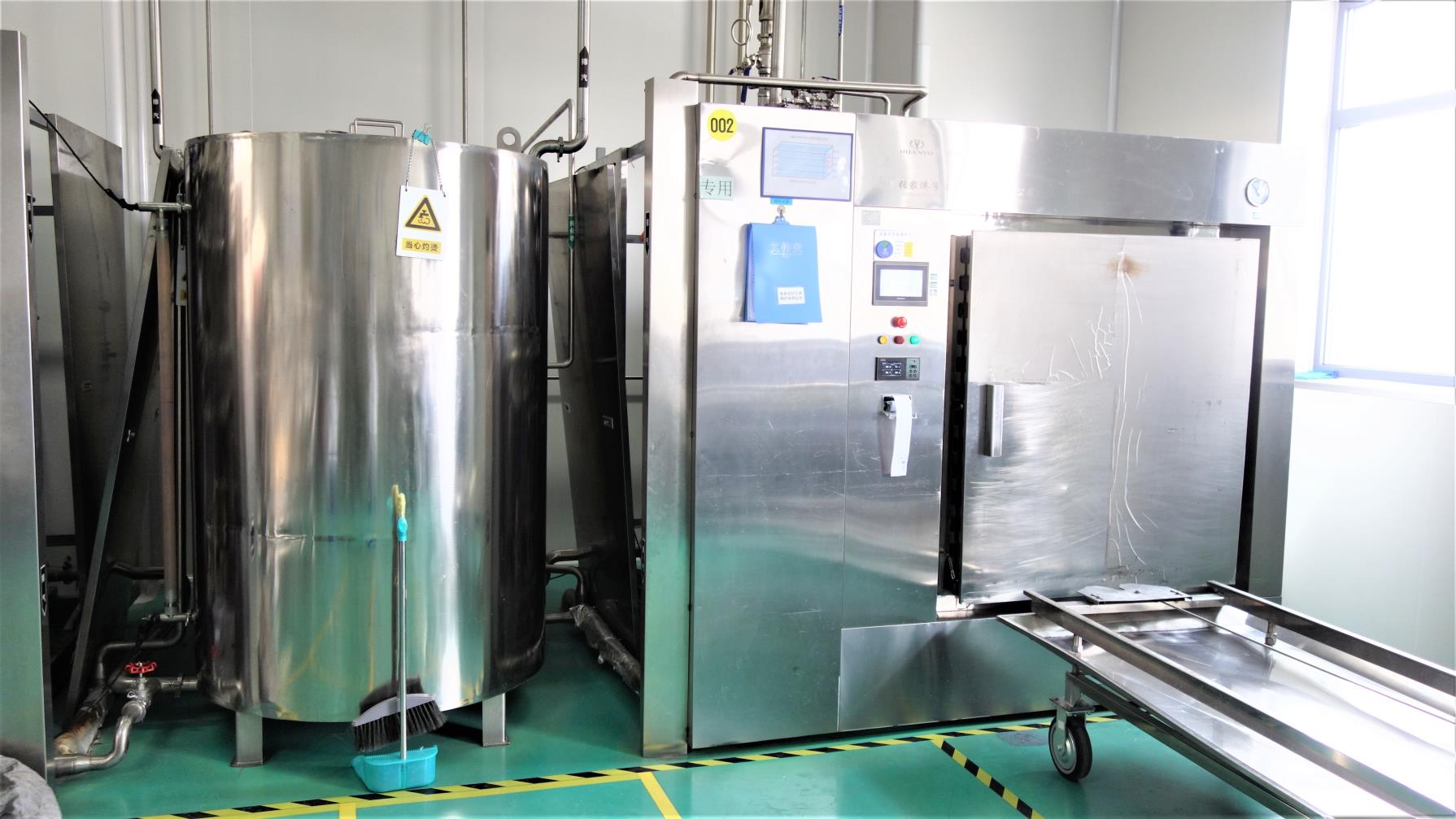
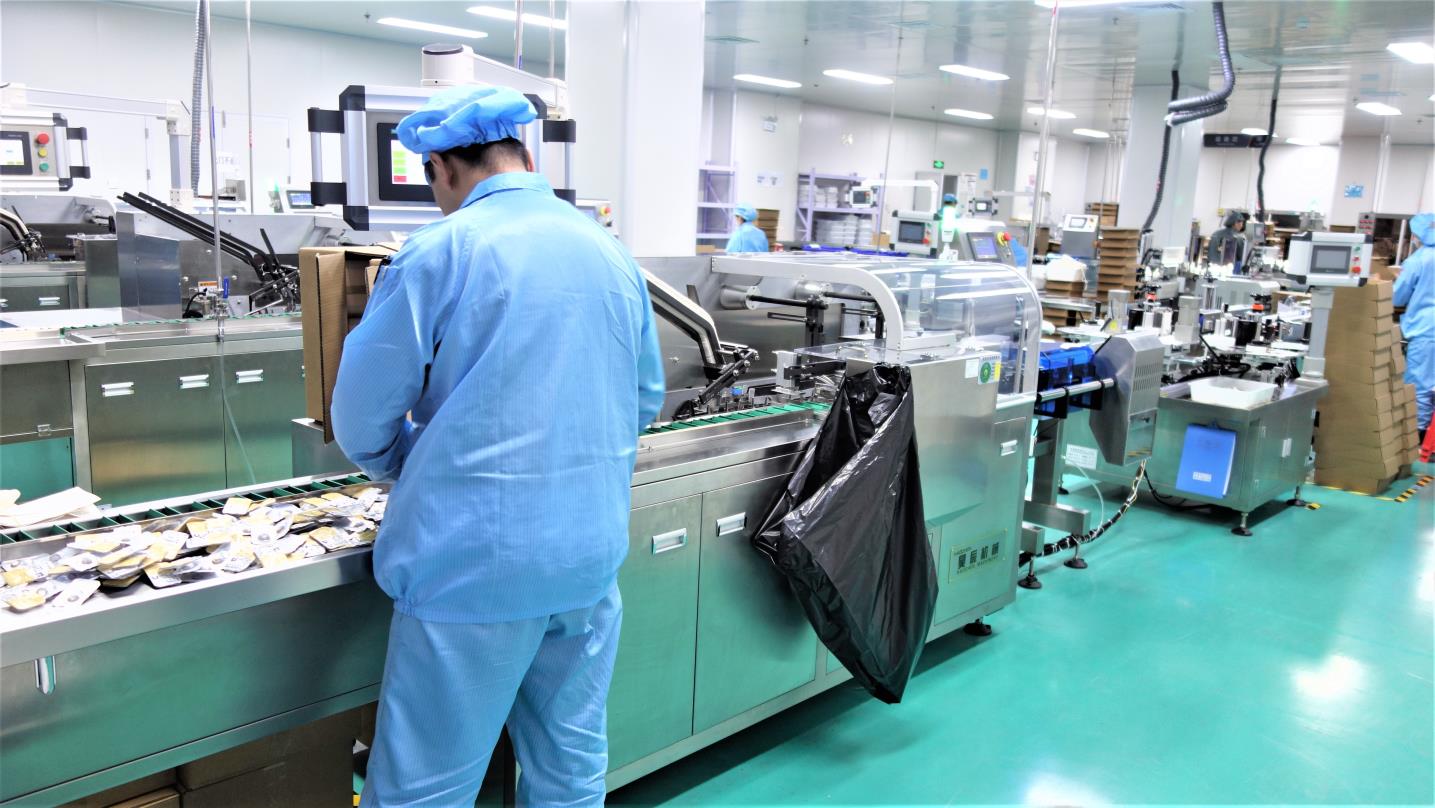
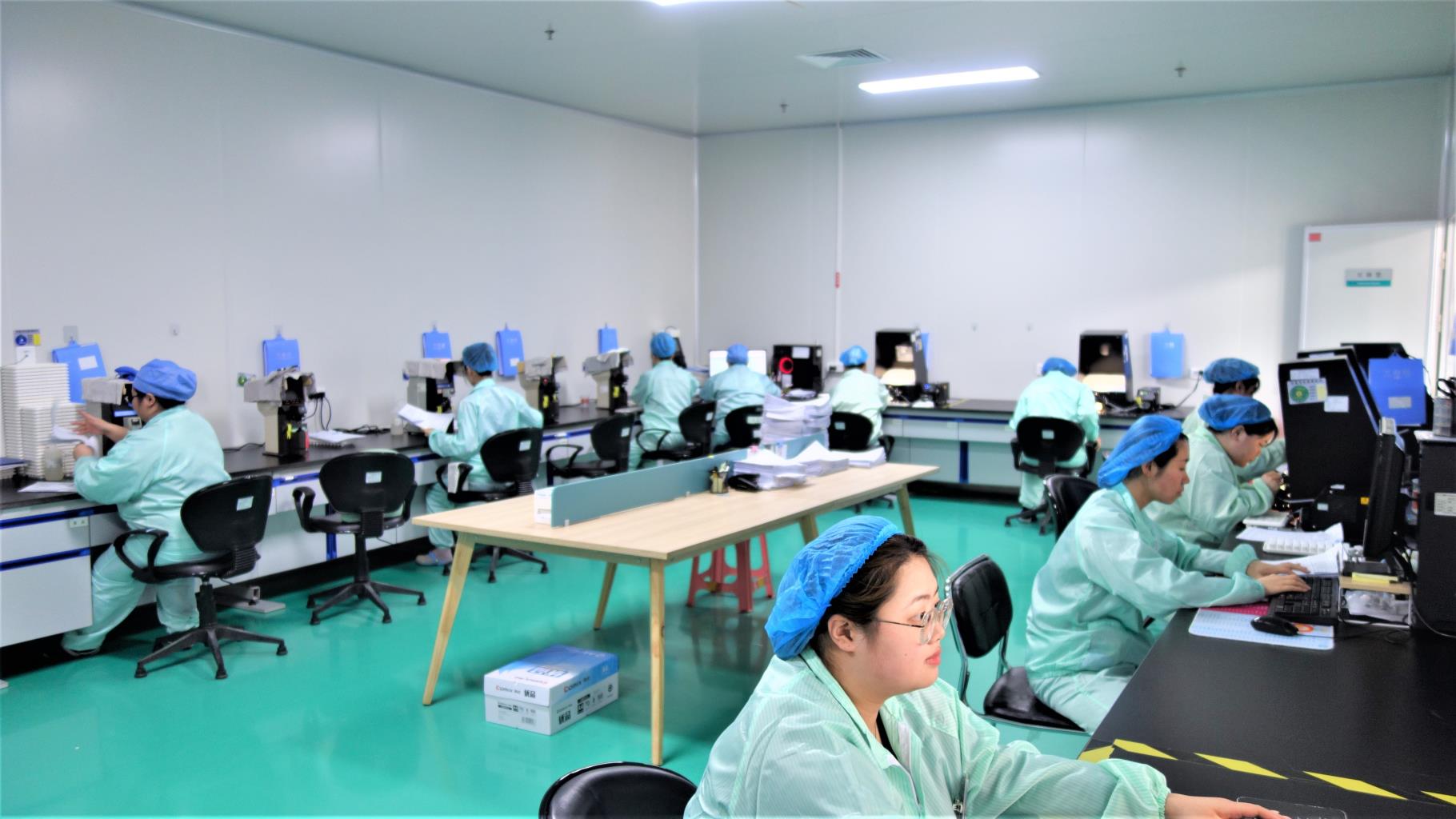
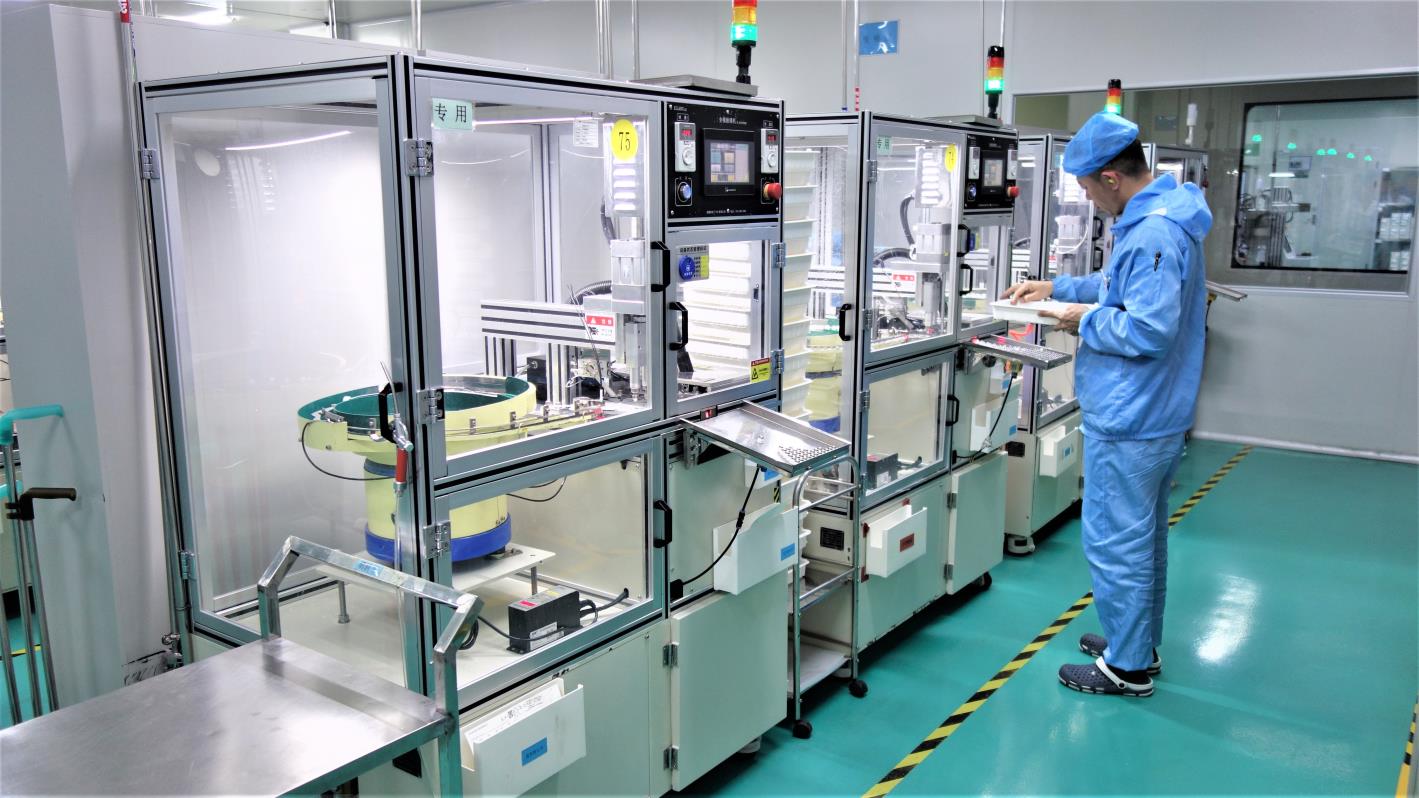
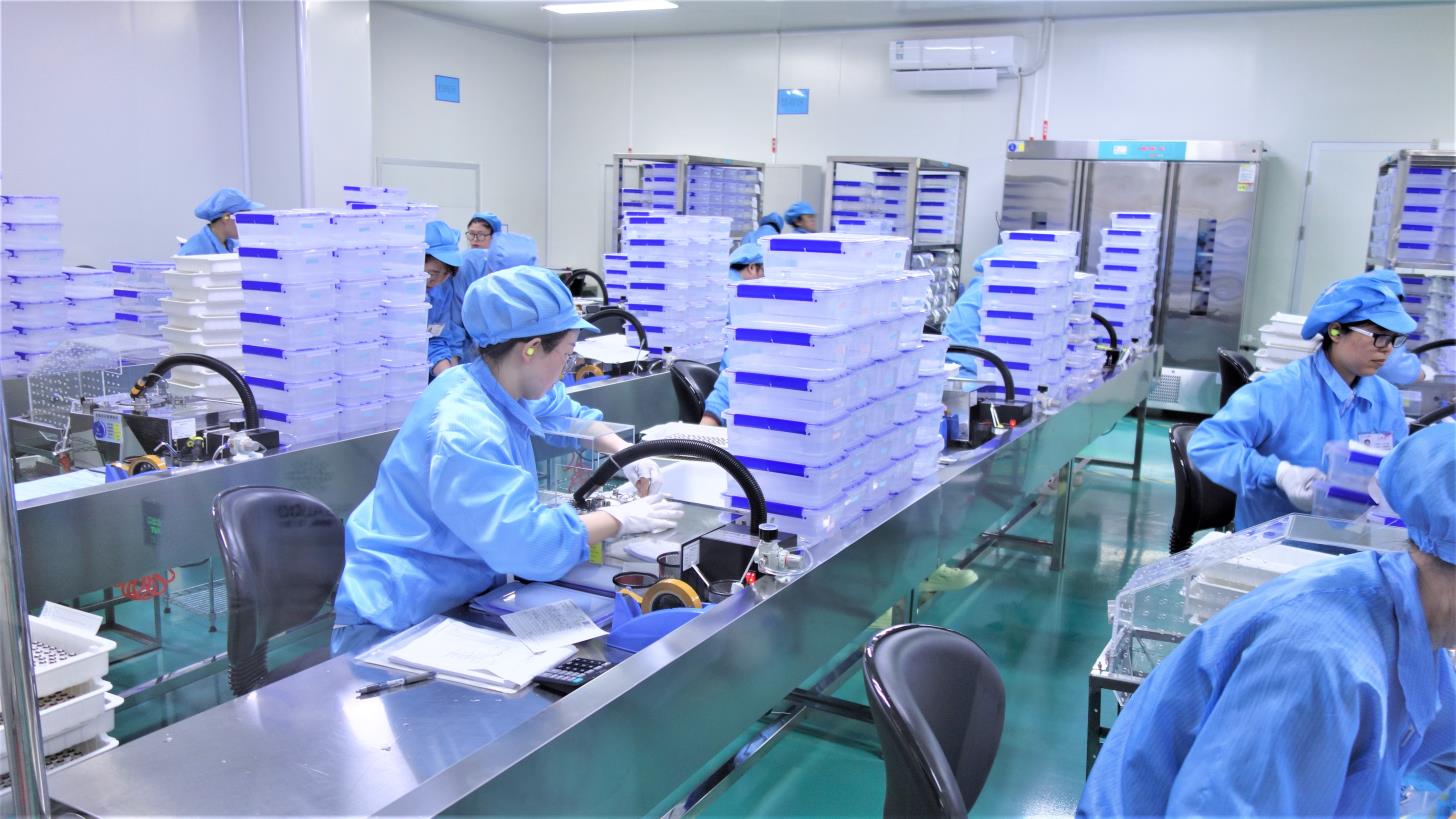
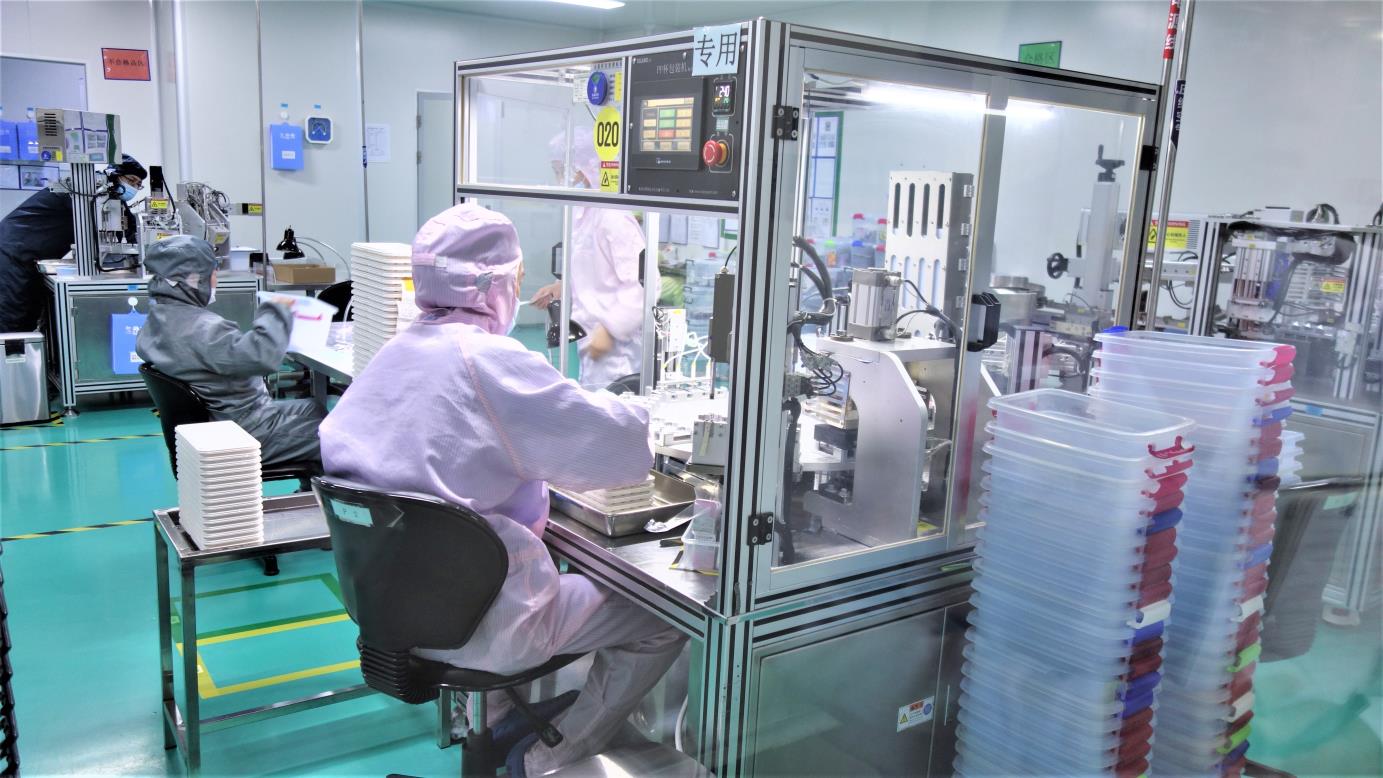
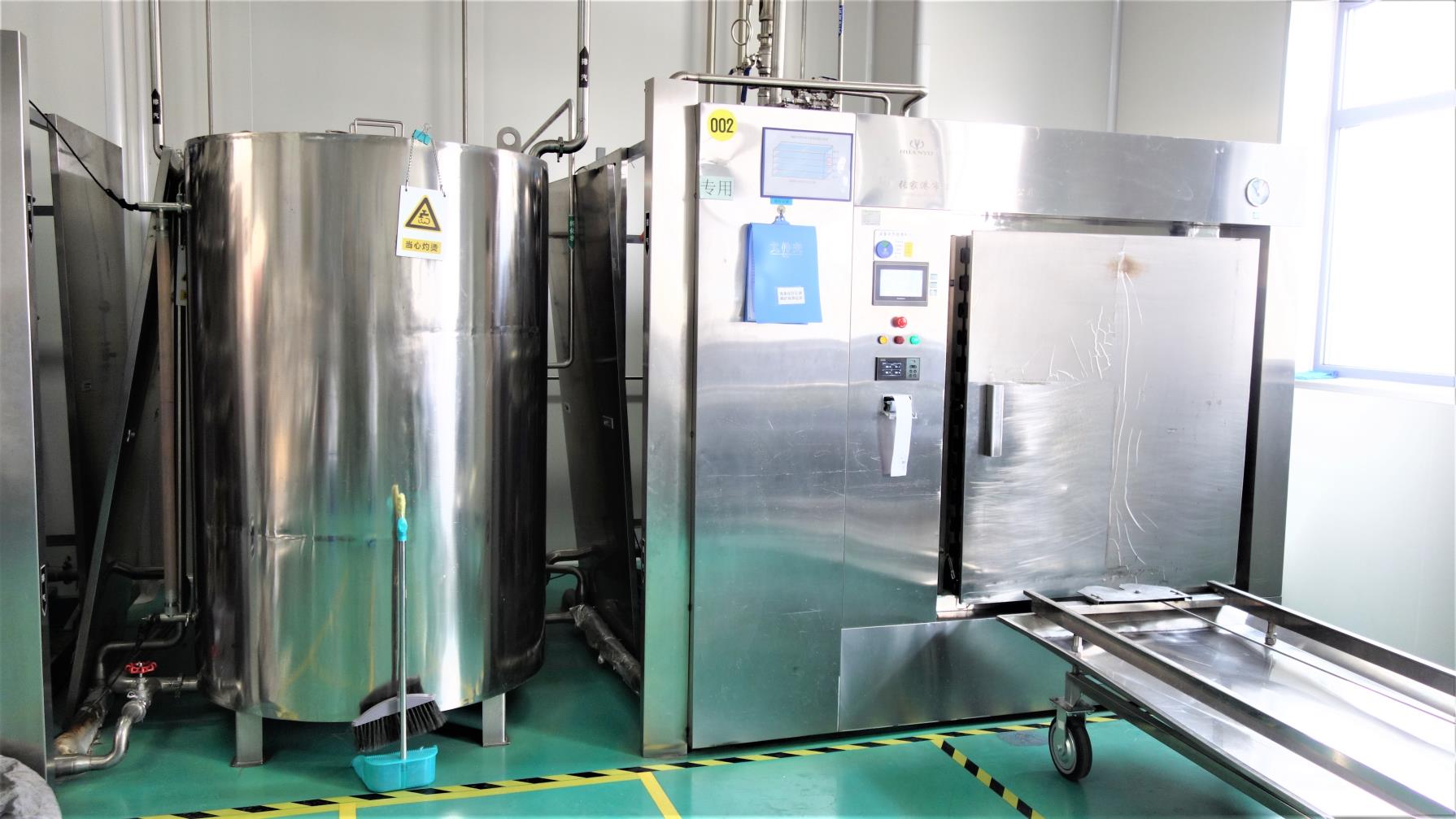
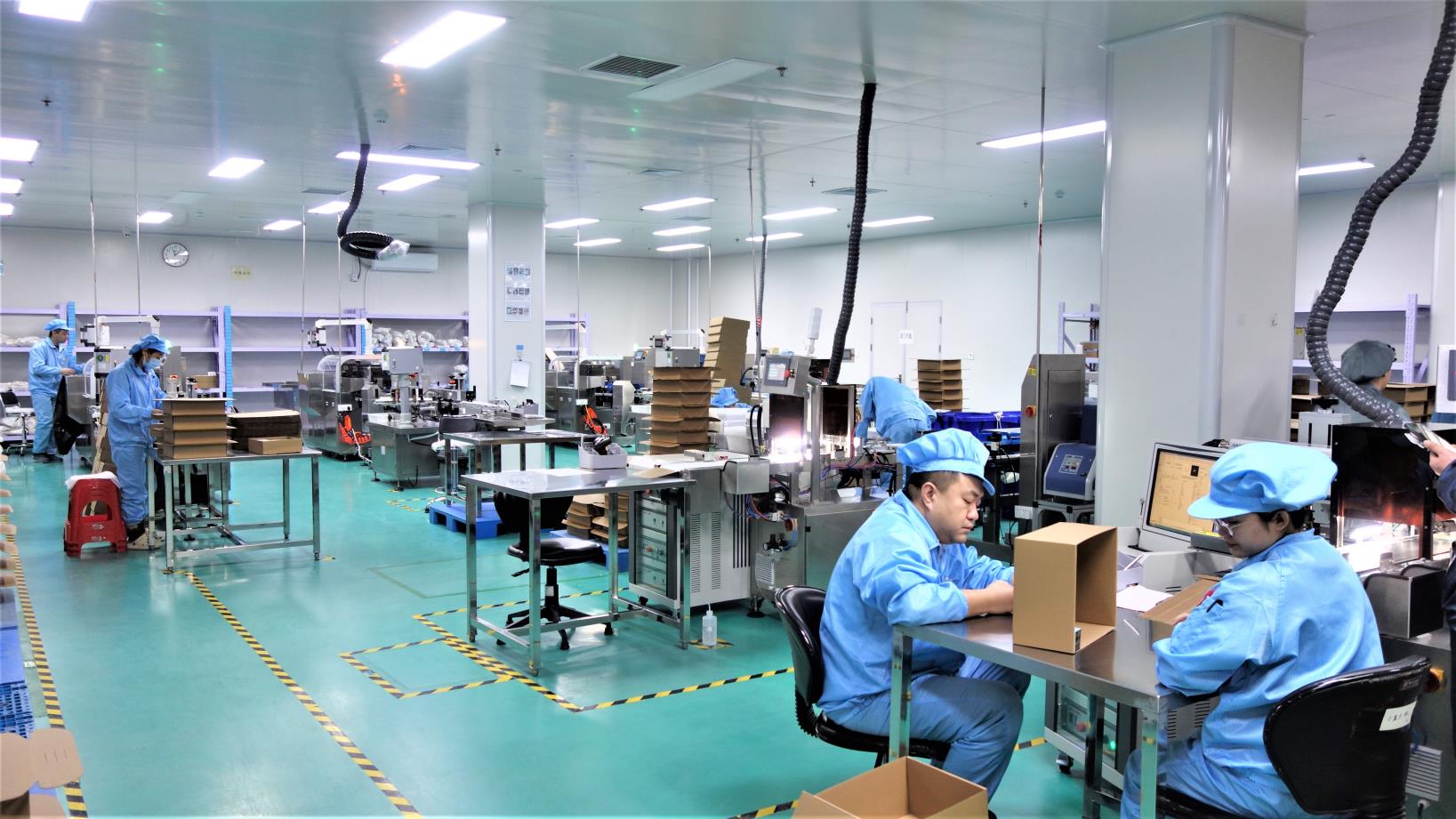
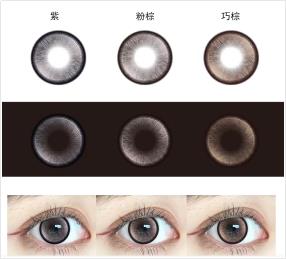
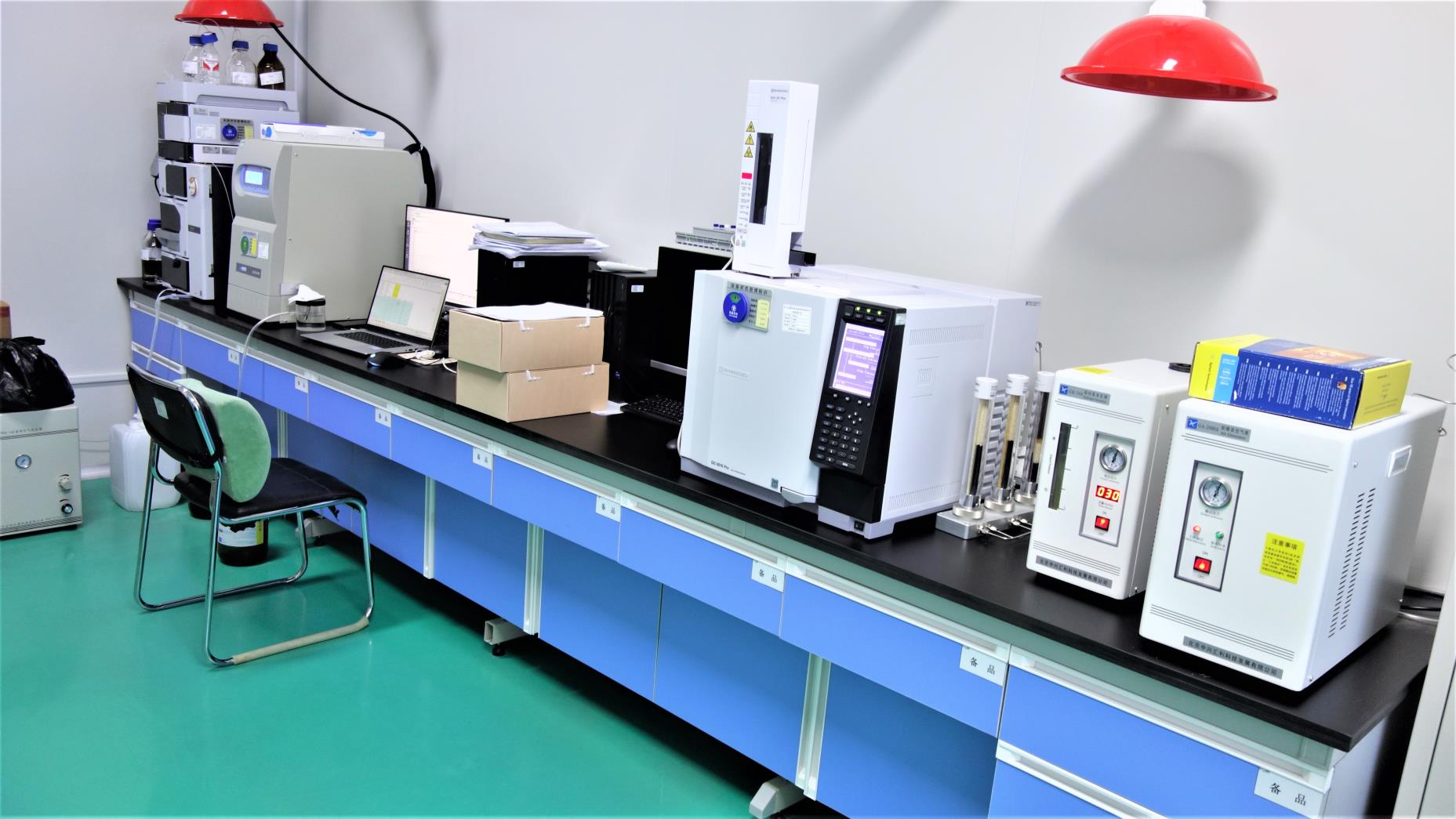
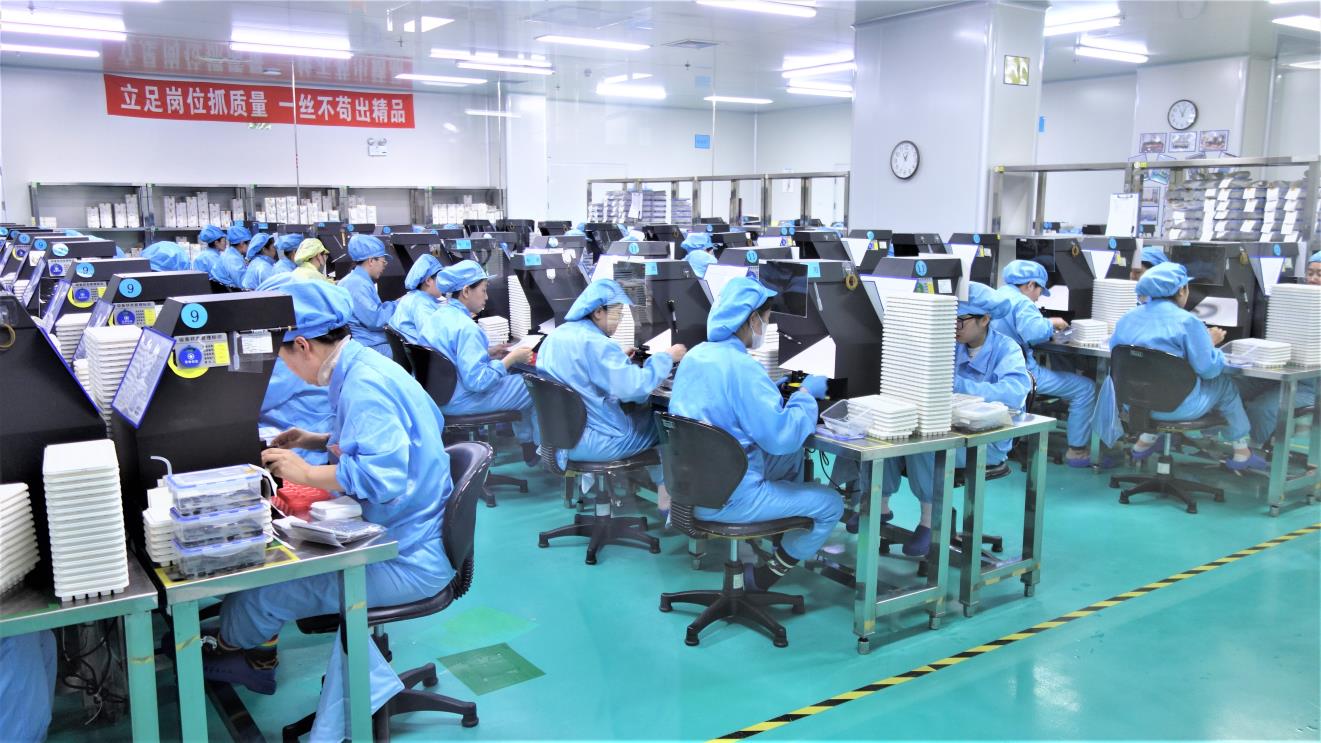
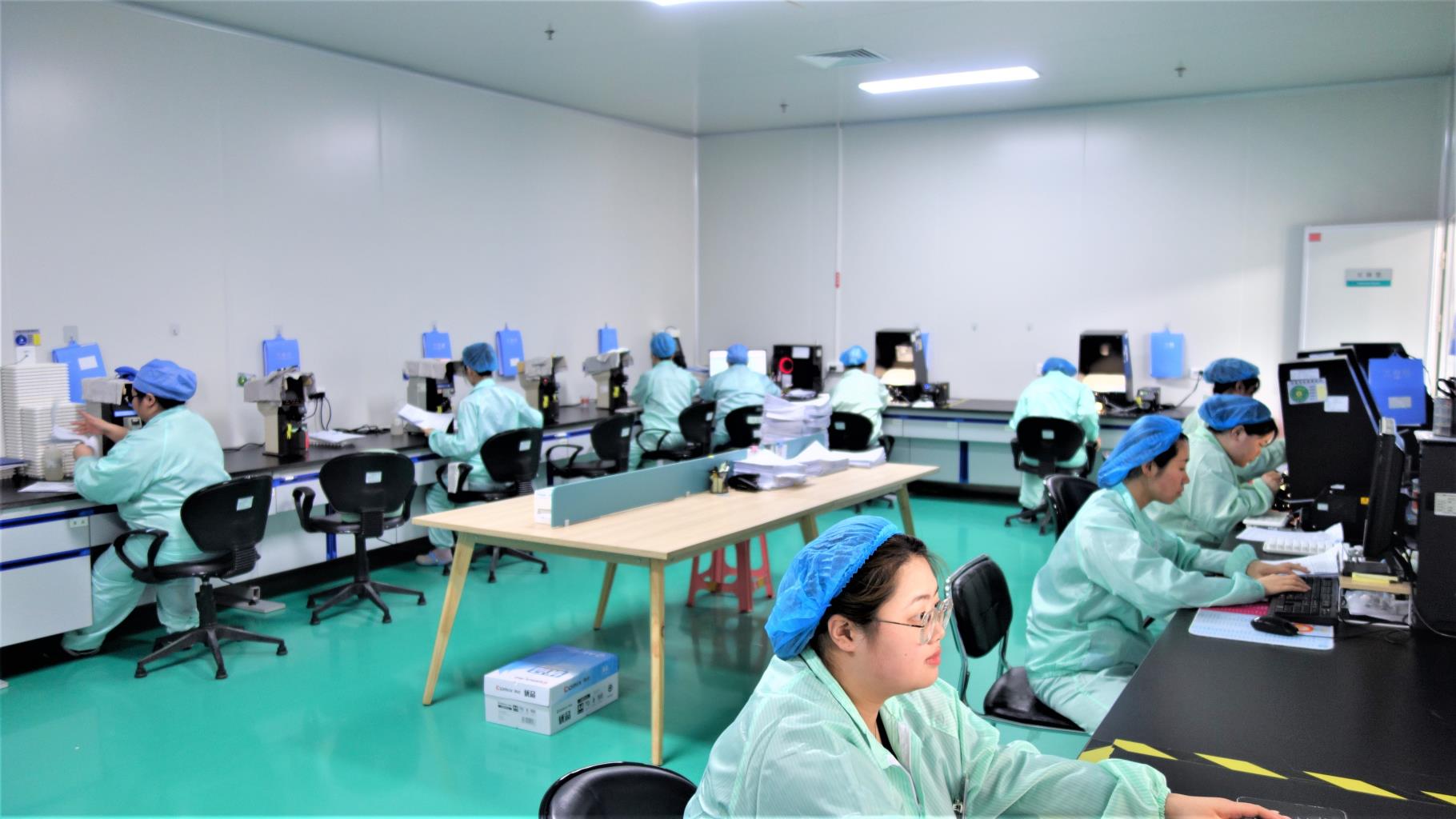
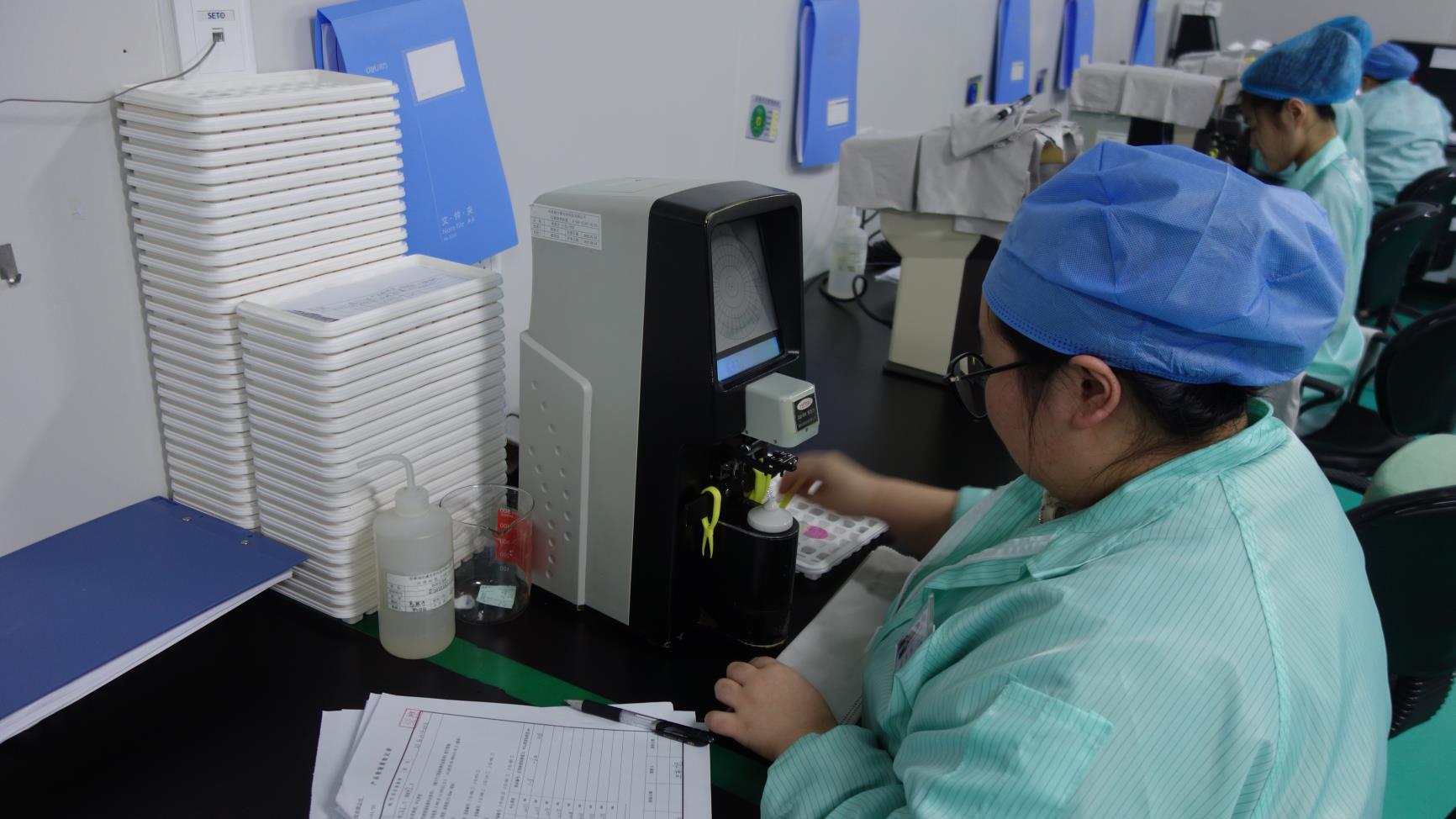

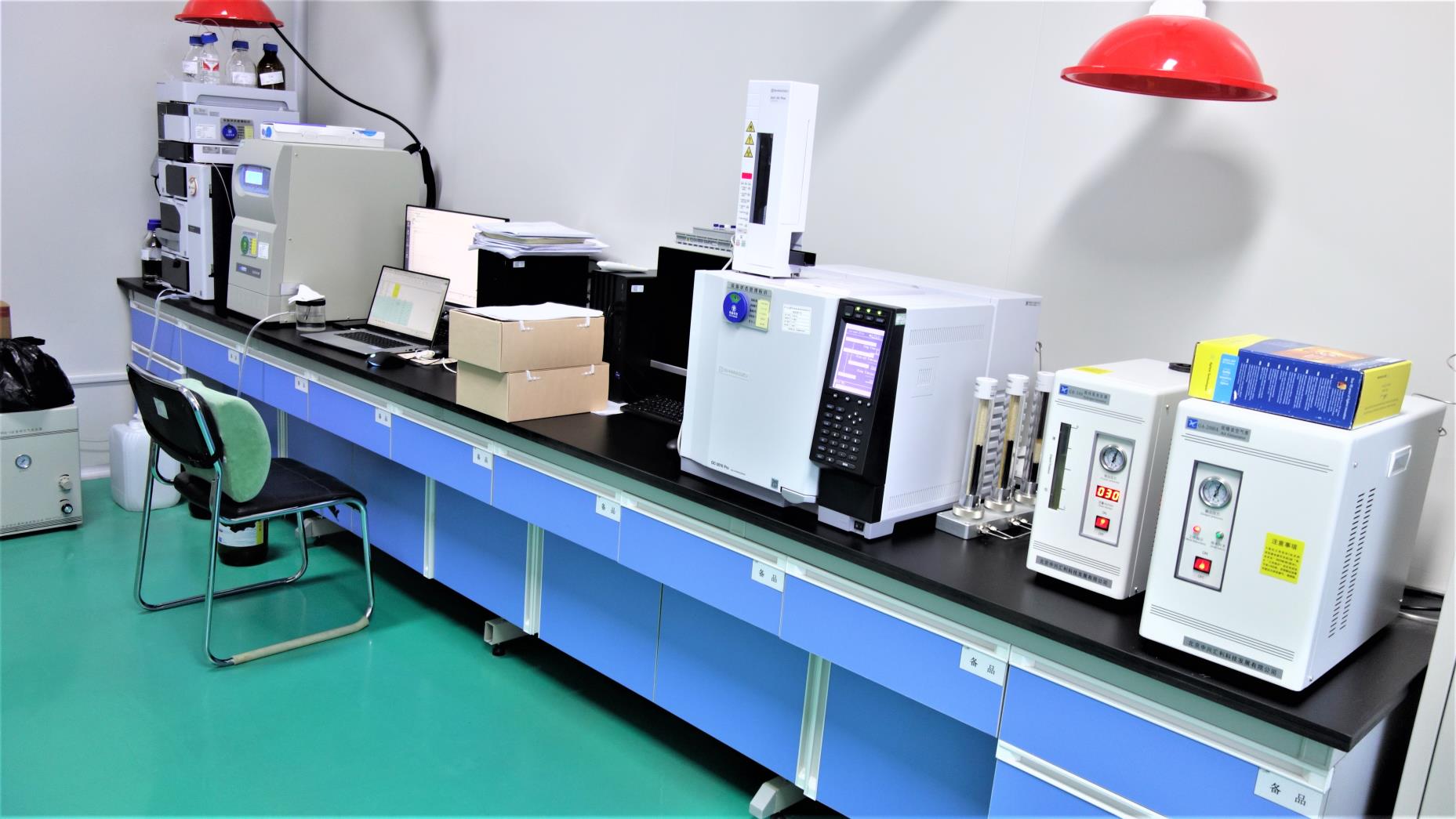

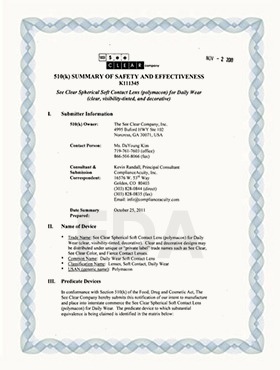
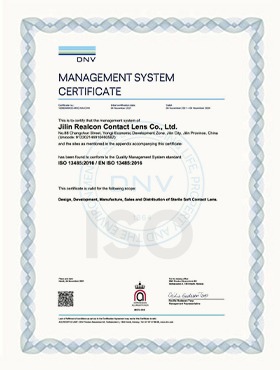
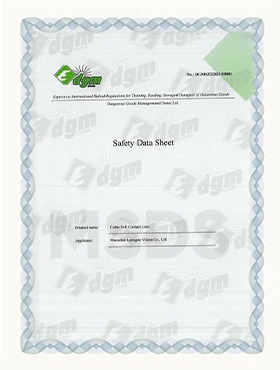
A comprehensive catalog of 14.0mm contact lenses designed to meet global regulatory requirements and support private label initiatives.
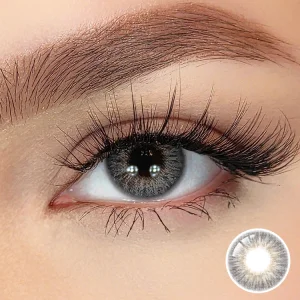

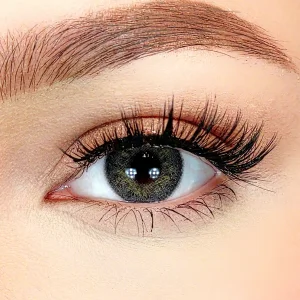
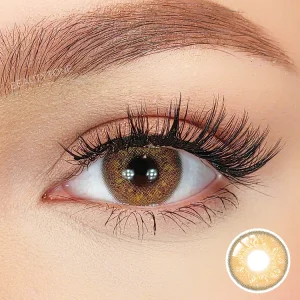

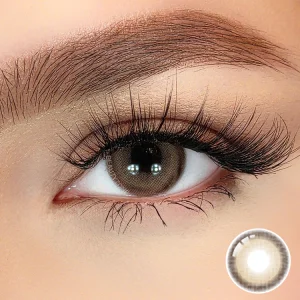
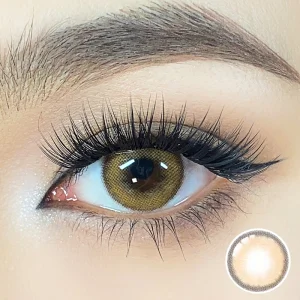
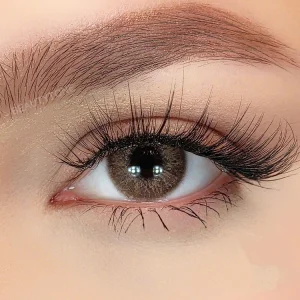
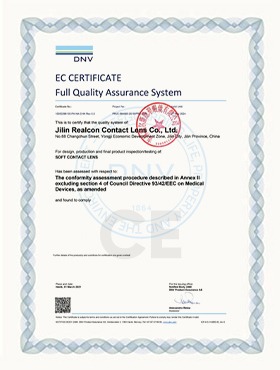
Manufacturing contact lenses requires adherence to global medical standards. Facilities supplying high-value markets must follow ISO 13485 Quality Management Systems for Medical Devices. This standard ensures strict control over raw material verification, environmental cleanroom standards, sterilization validation, and post-market feedback systems.
For the Canadian market, importing Class II Medical Devices requires clear regulatory documentation. Compliance starts with the Medical Device Single Audit Program (MDSAP). This program allows a single audit to satisfy the requirements of Health Canada, the US FDA, and other global regulatory authorities. Additionally, product labeling must comply with bilingual English/French requirements, listing base curve, diameter, optical power, lot numbers, and expiration dates. Working with an OEM manufacturer that provides full technical documentation helps simplify the Canadian compliance process.
Key information regarding international logistics, manufacturing compliance, and customized OEM development.
Partner with an established ISO 13485 manufacturer to launch or scale your 14.0mm contact lens line in the Canadian market. Get in touch with our team for technical specs and wholesale pricing.
Send Inquiry Now