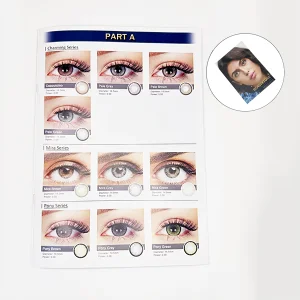
Eyes Matrix Contacts Lenses
Eyes Matrix Contacts Lenses
Eyes Matrix Contacts Lenses
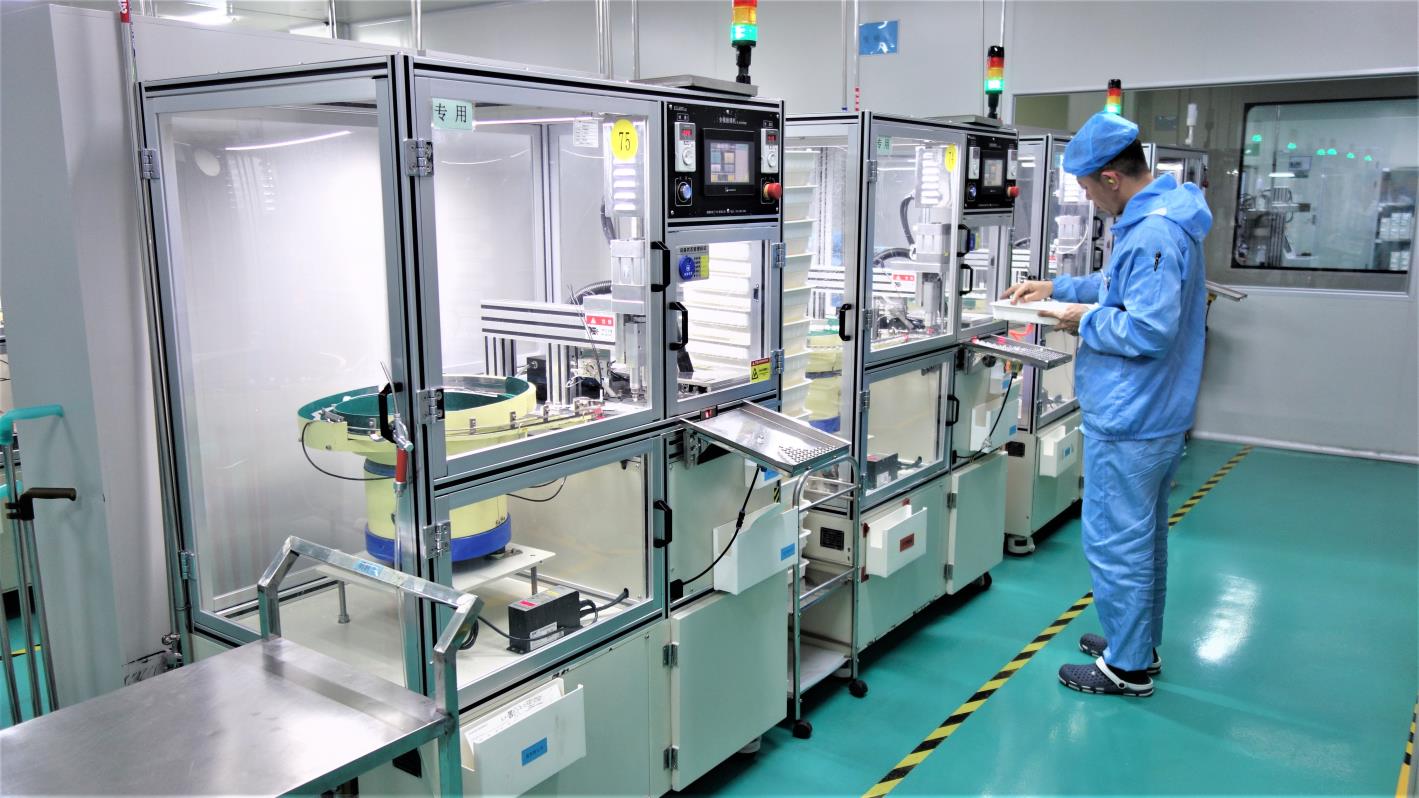
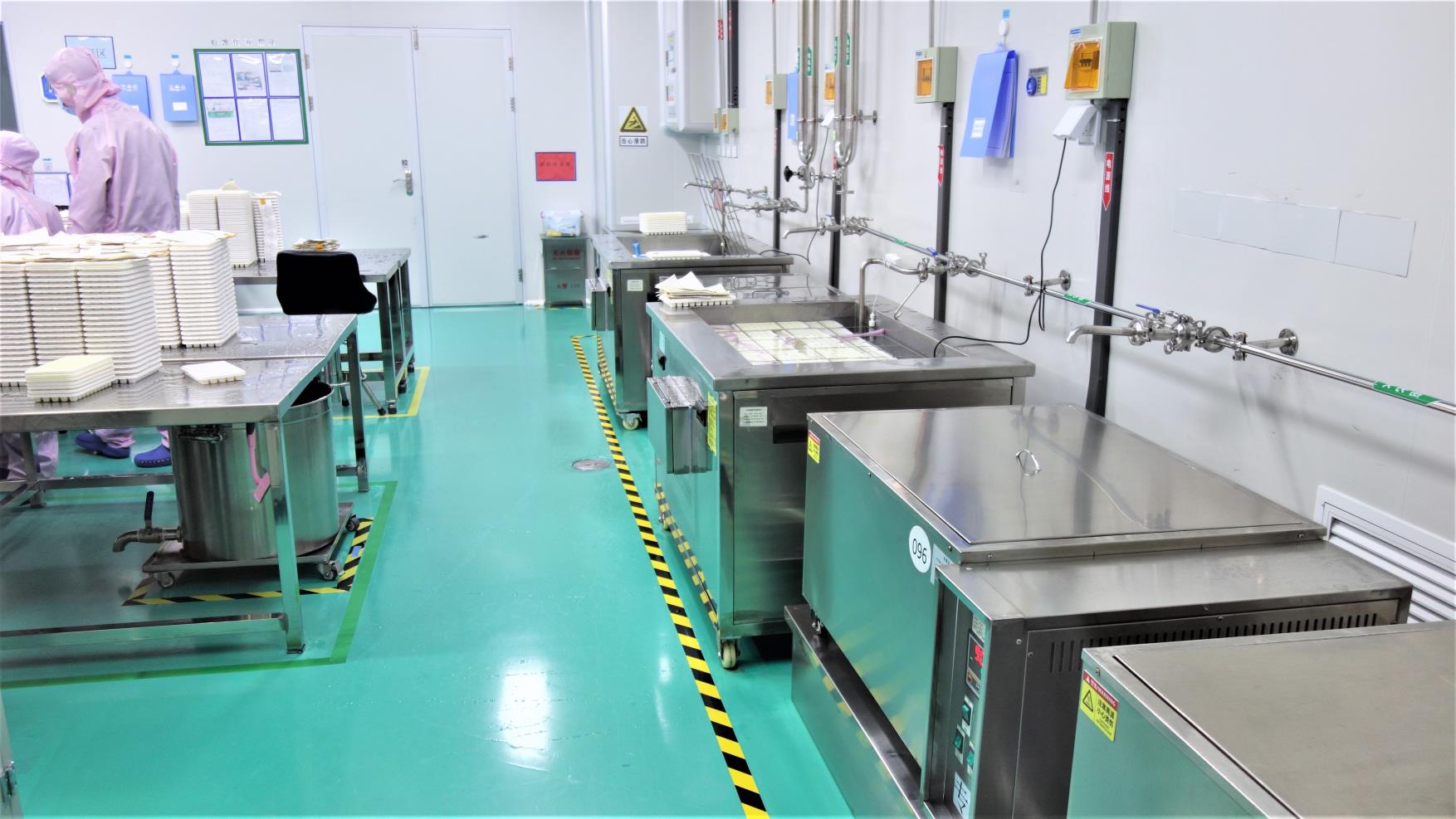
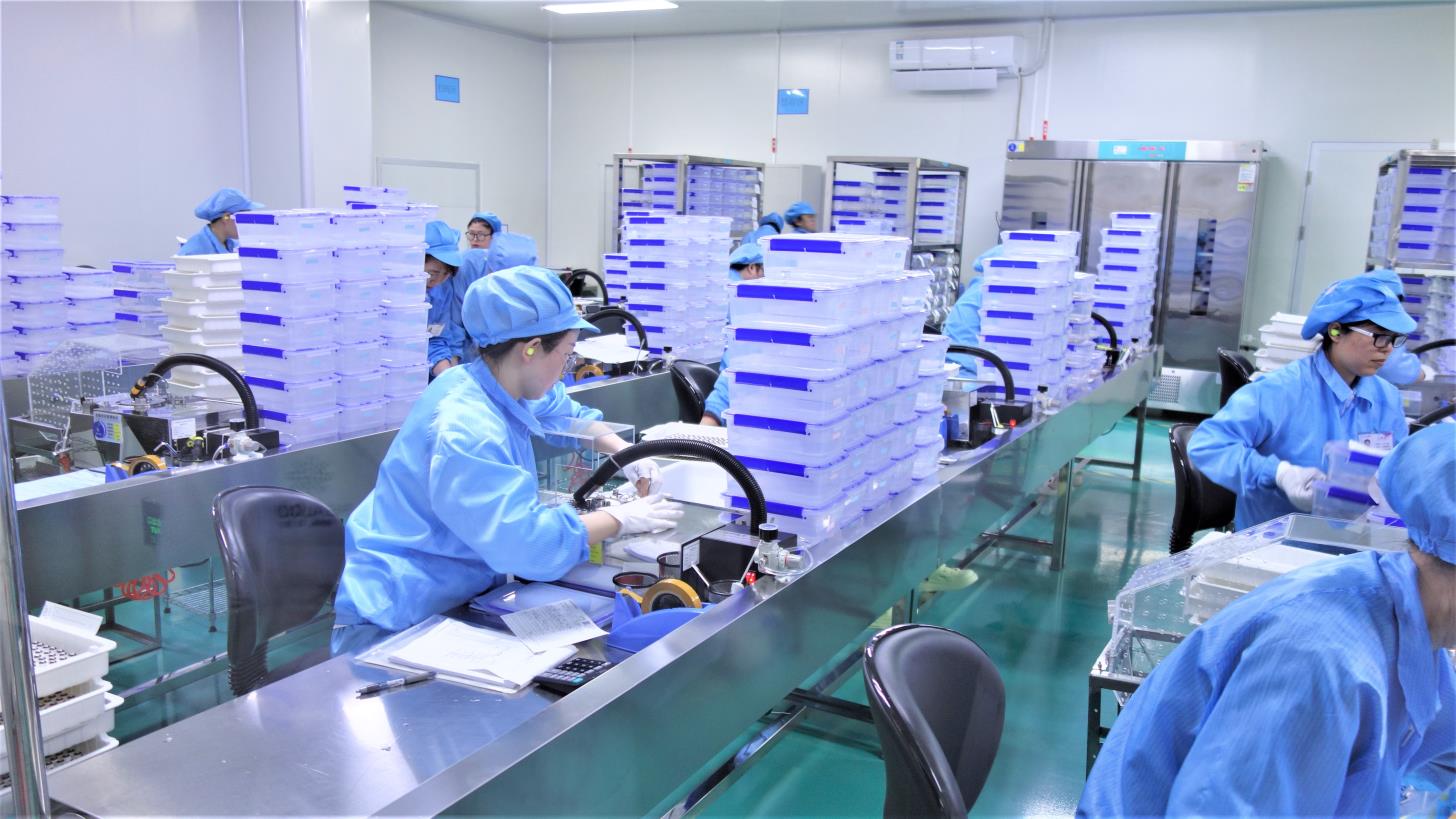
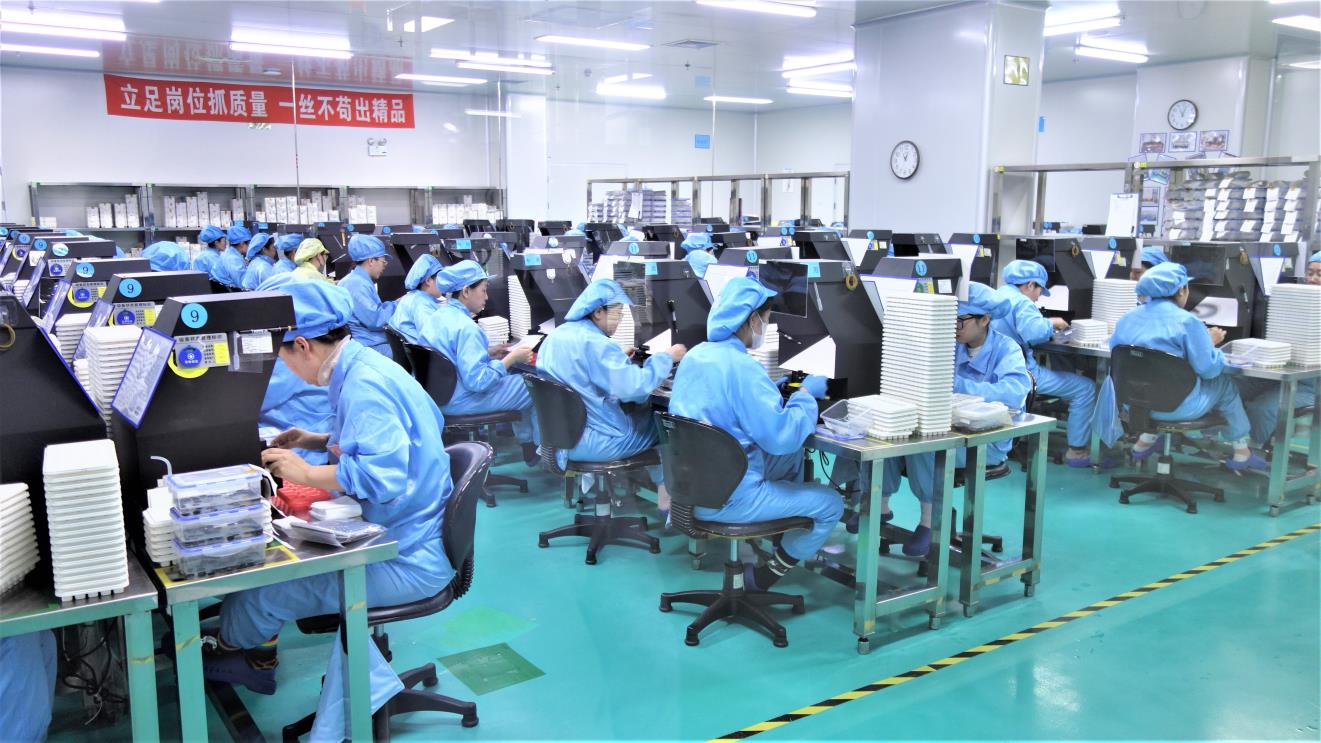
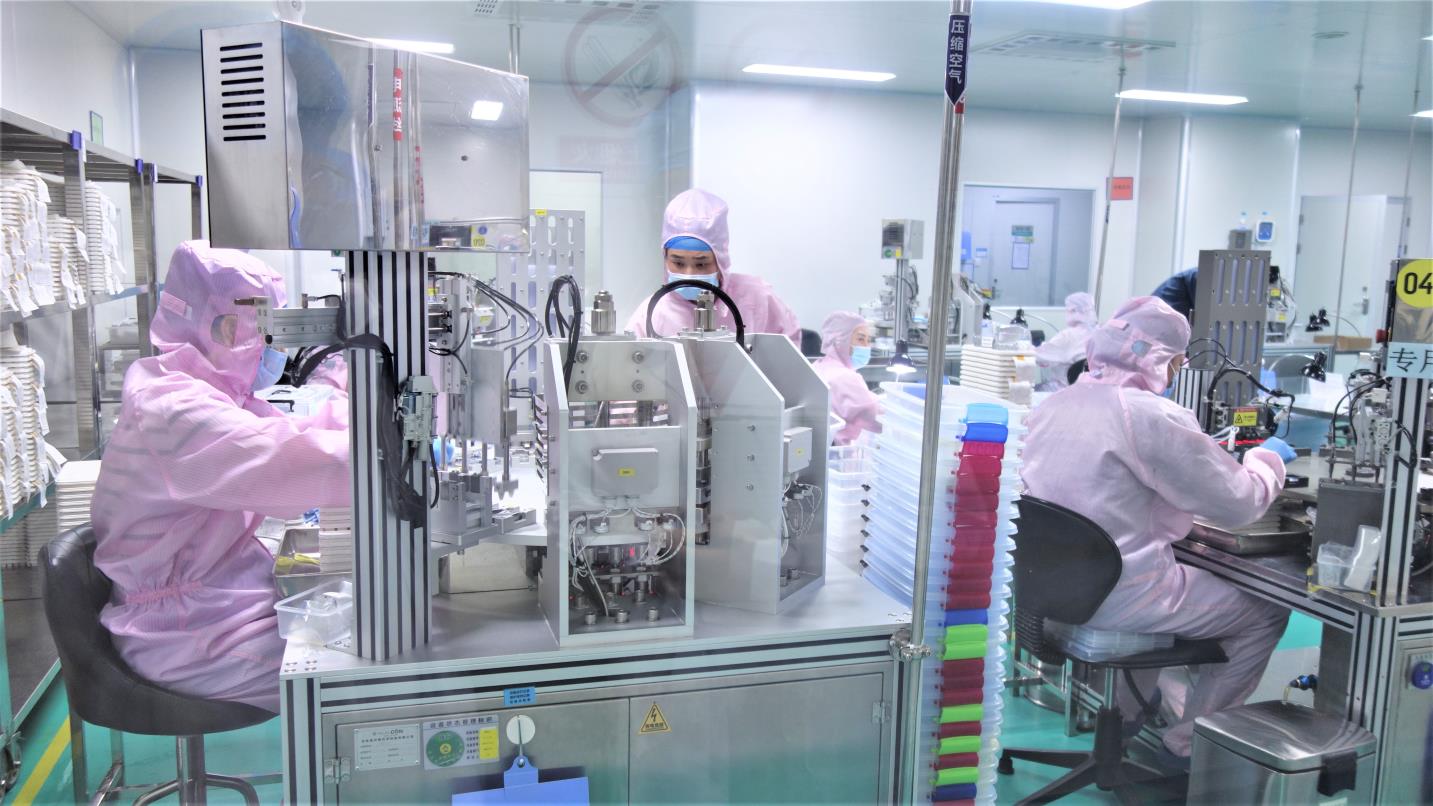
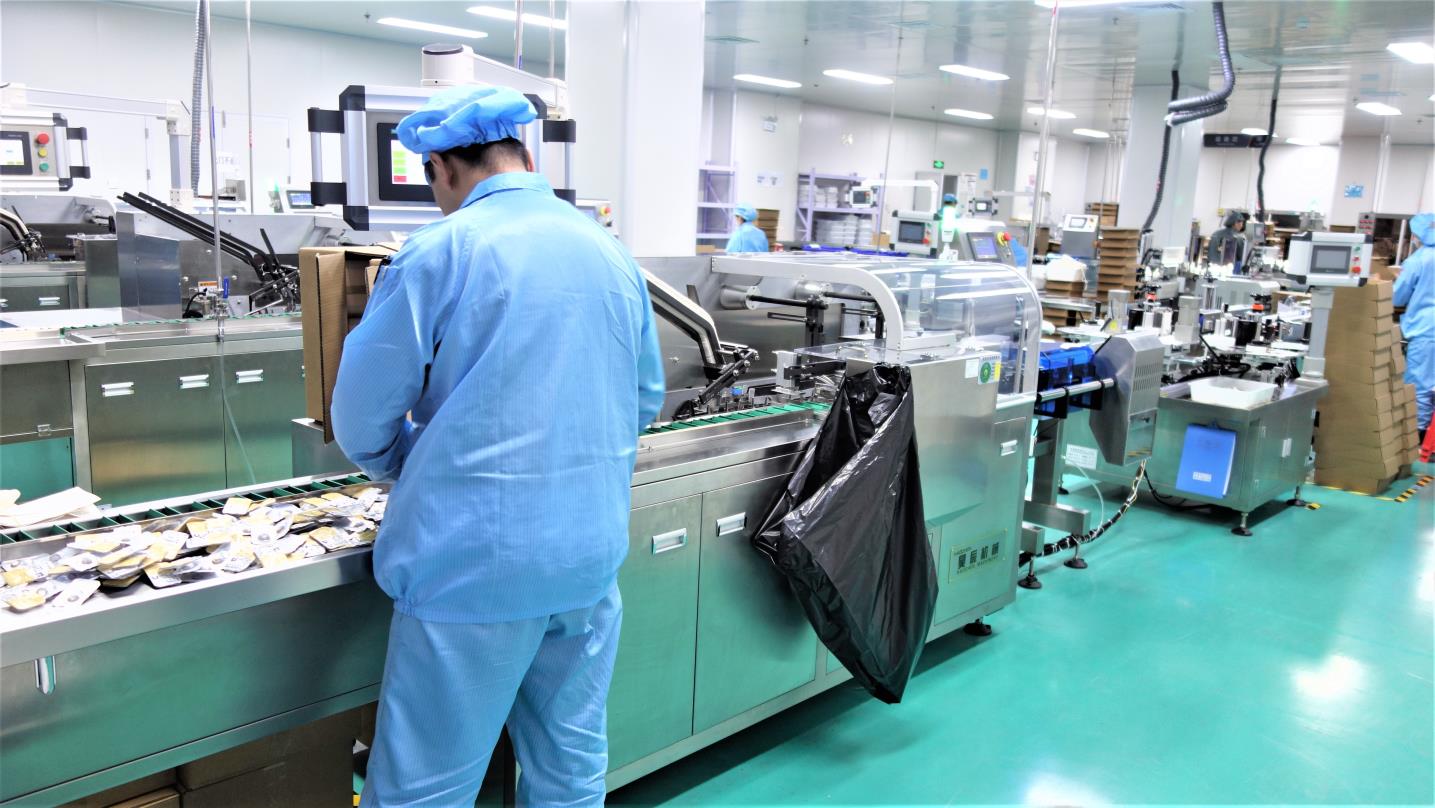
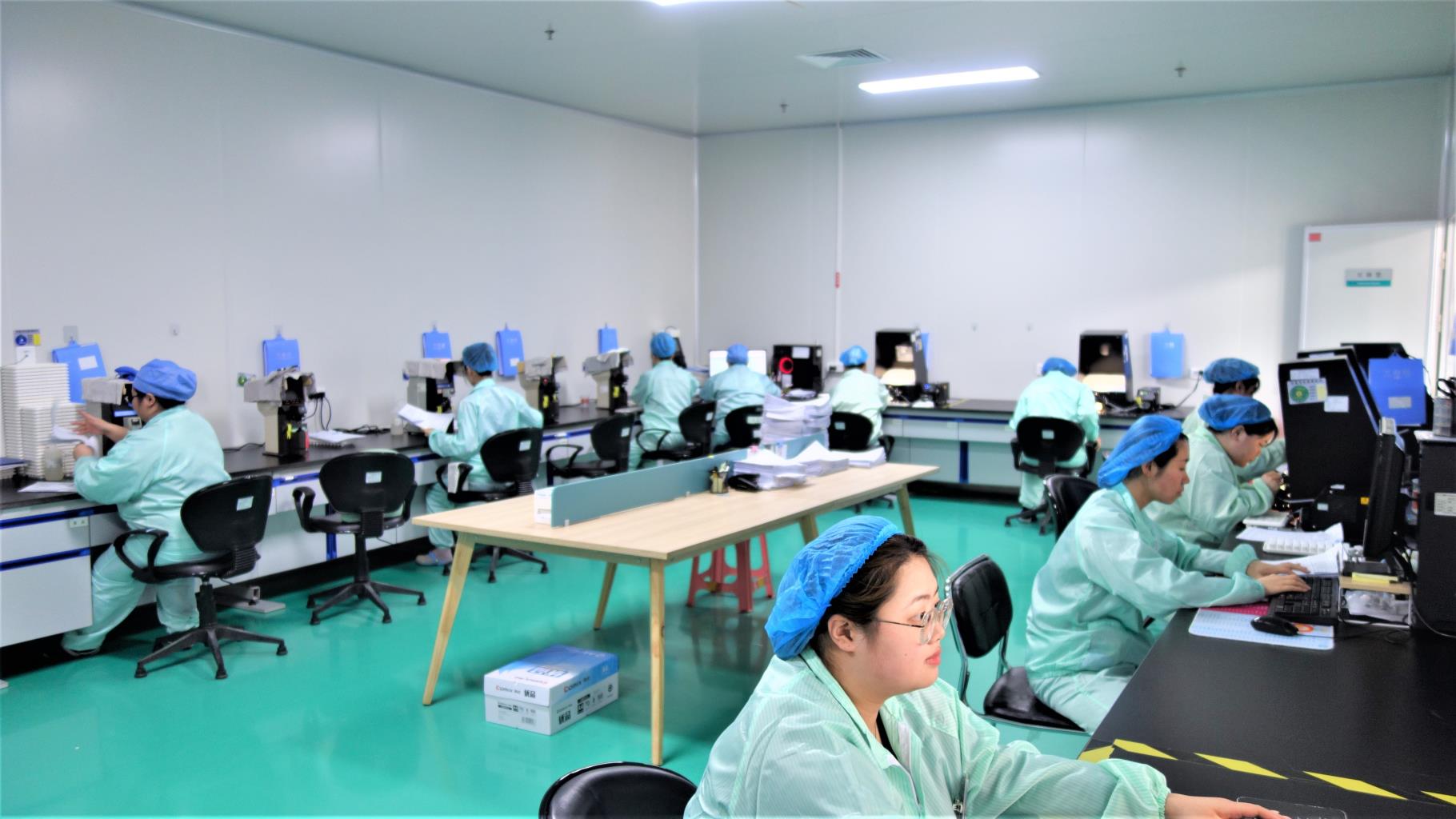
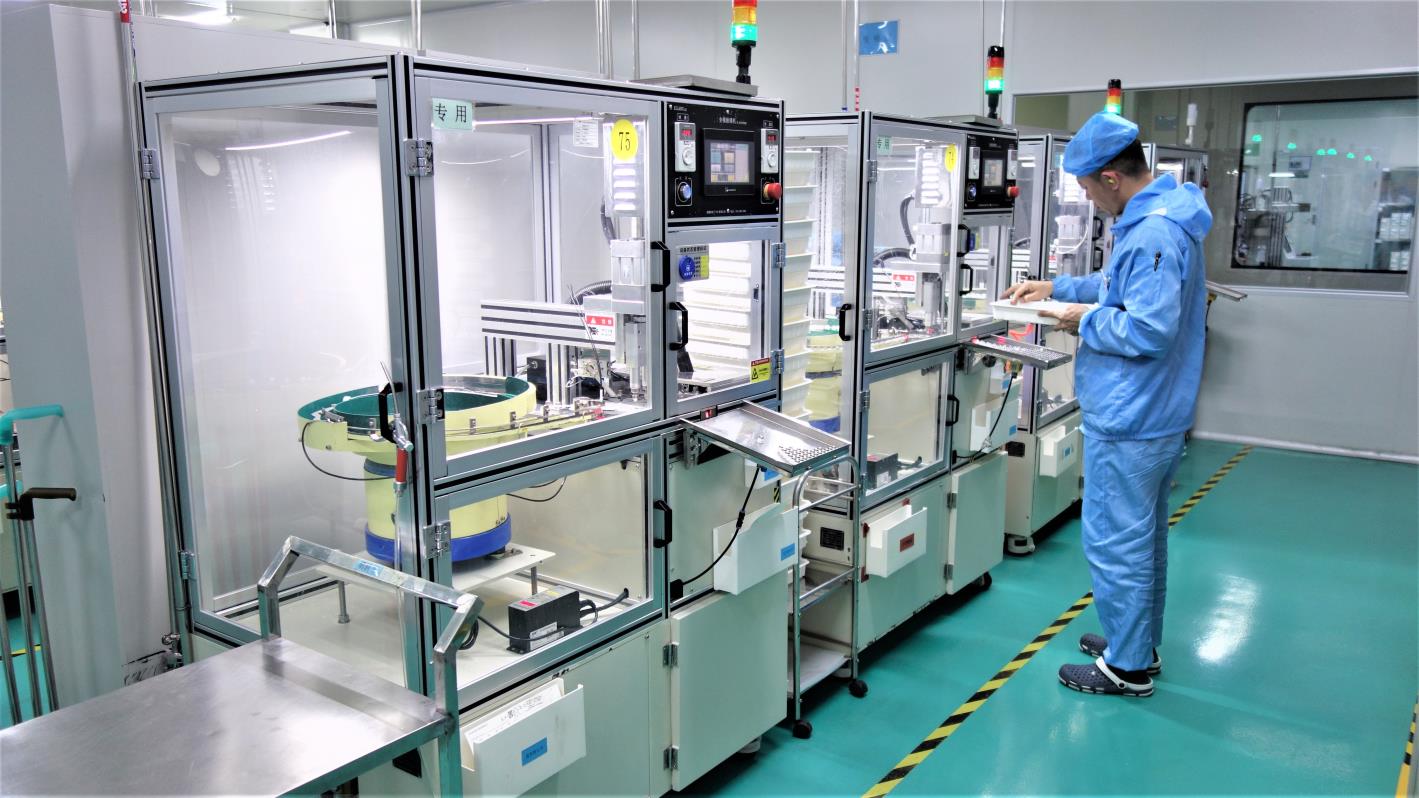
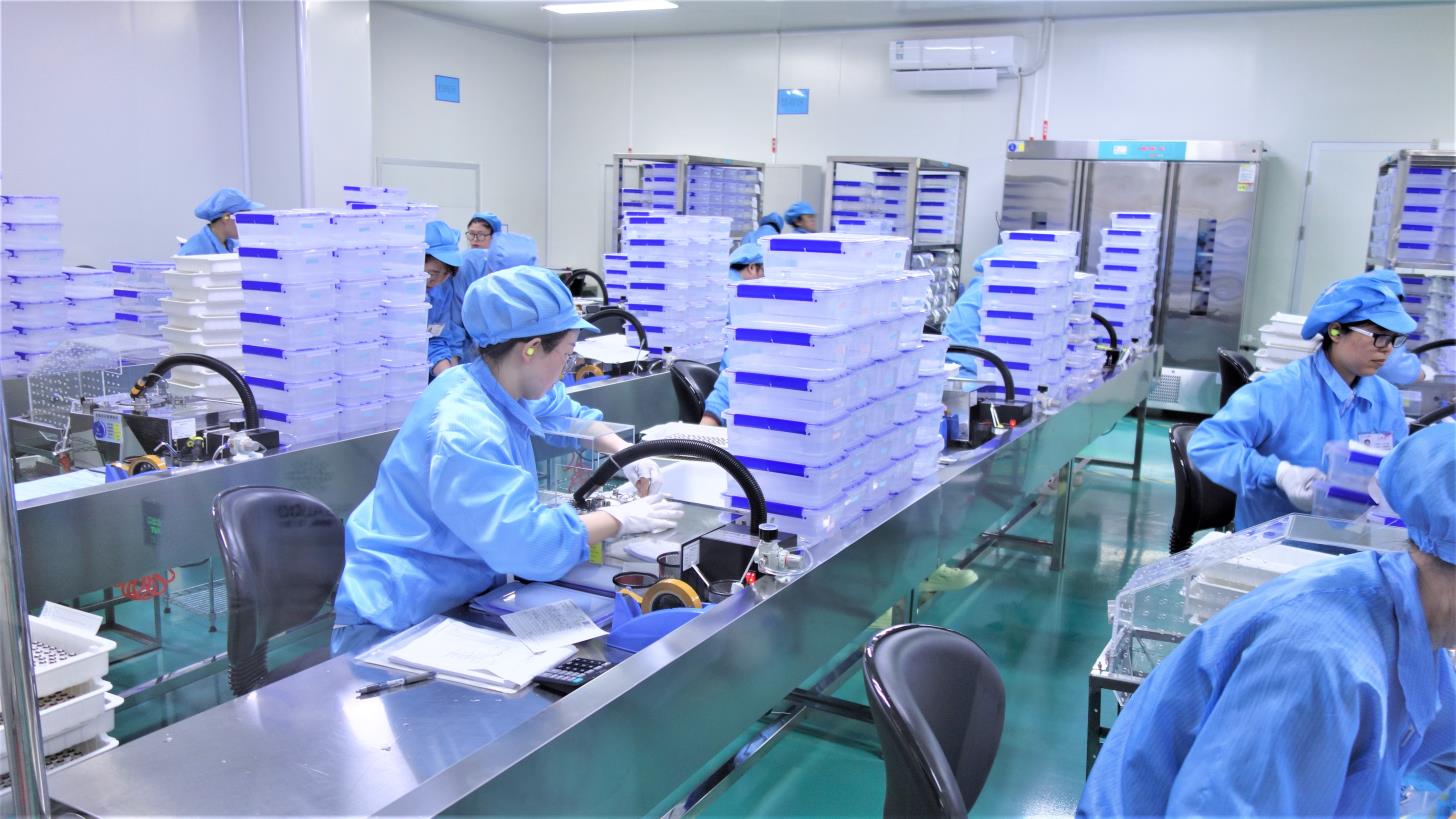
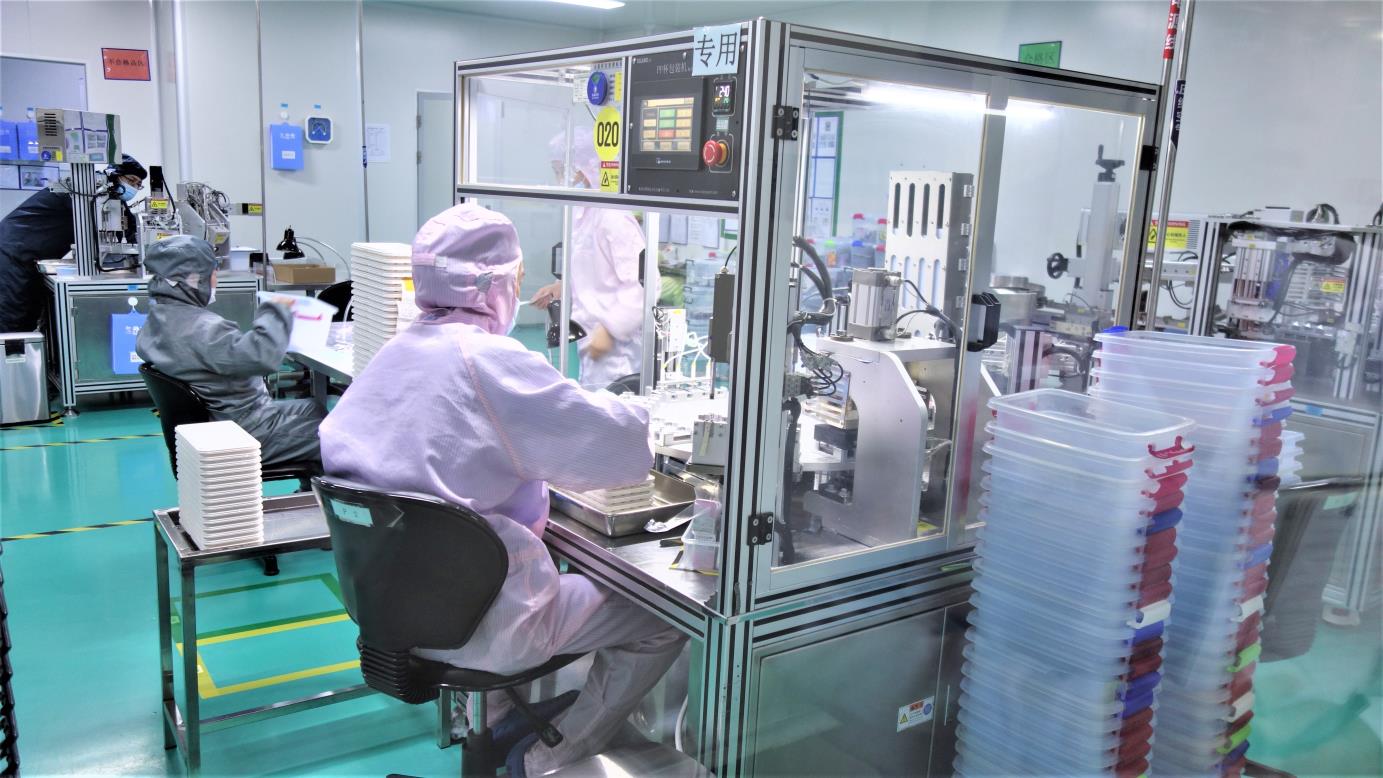
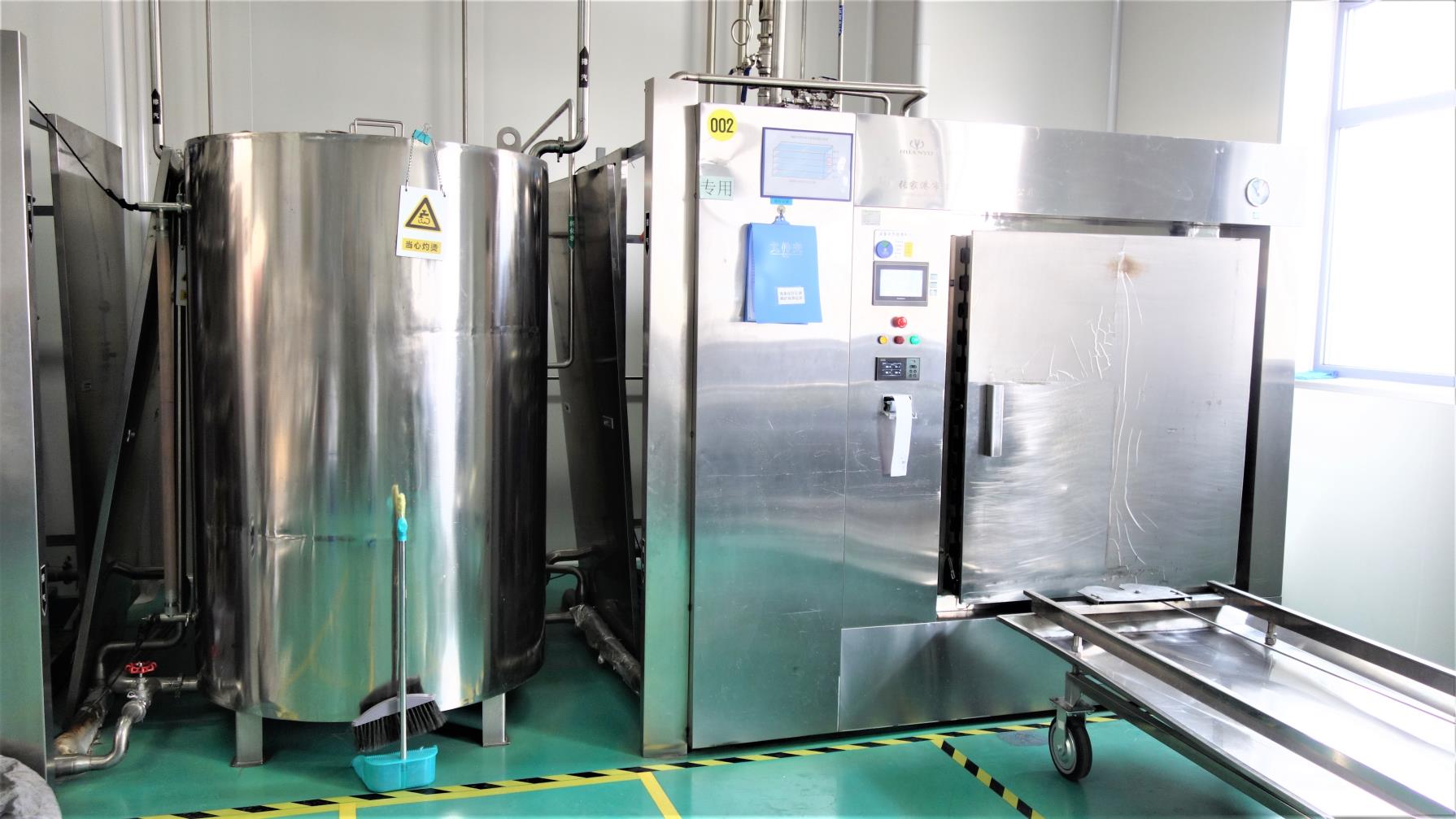
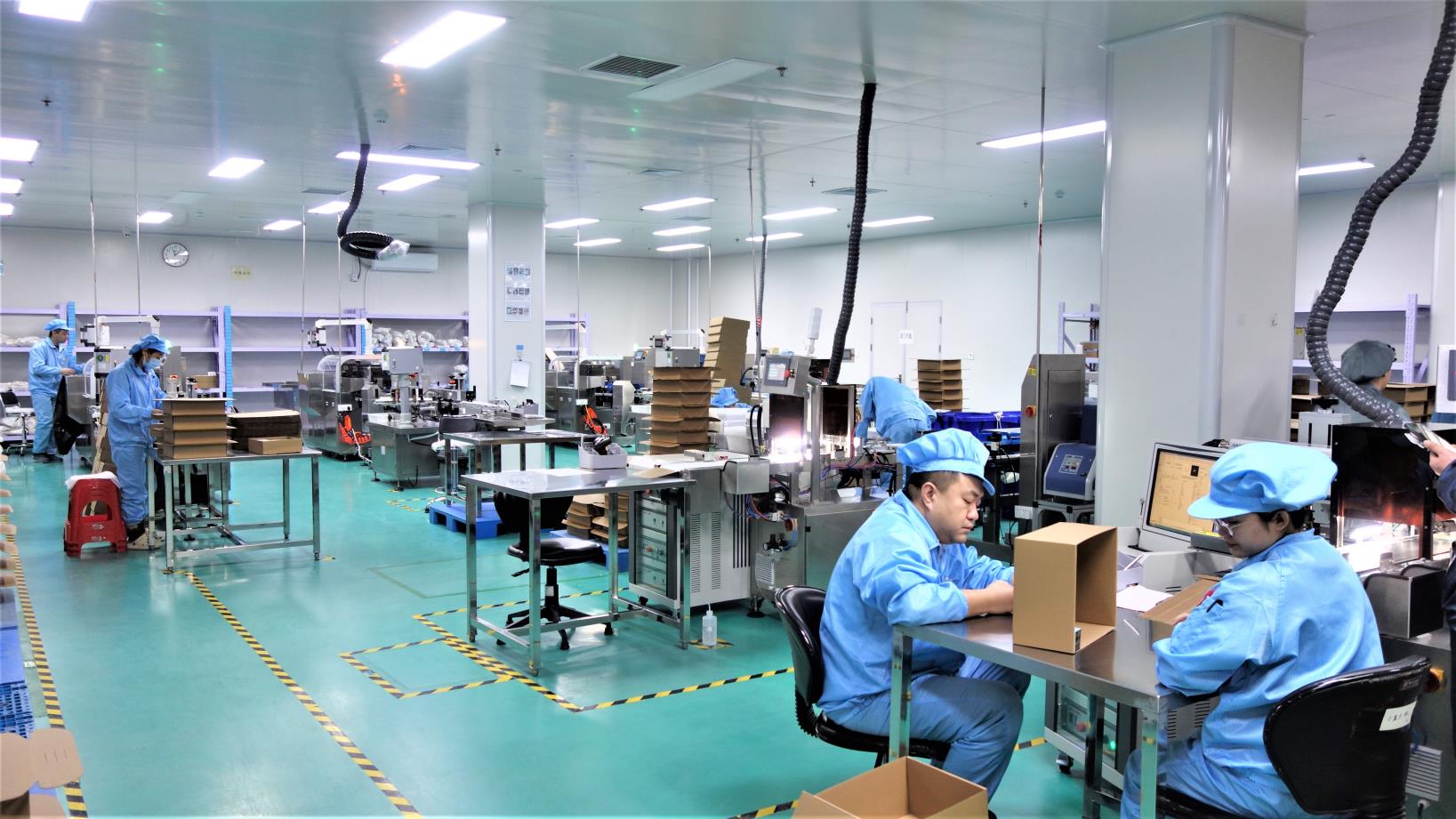
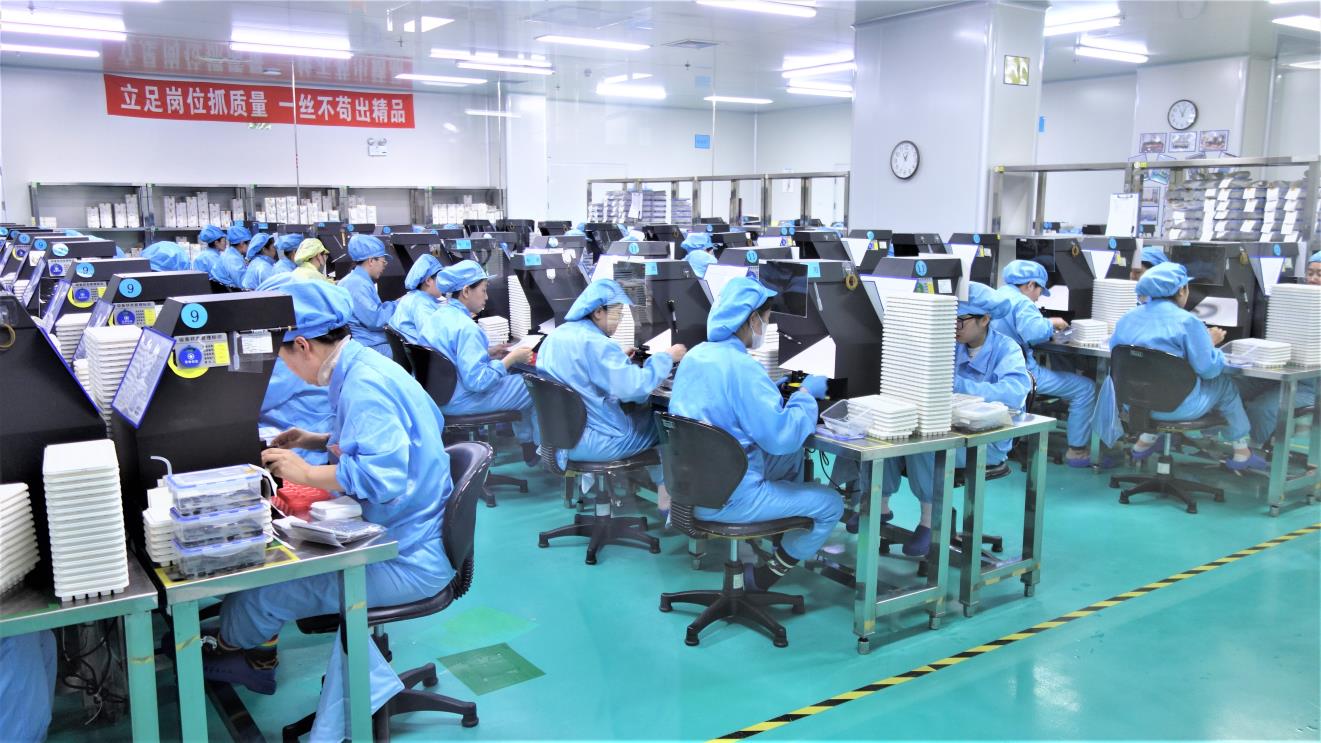
Direct supply channel from certified cleanroom production facilities in Dongguan. Integrating design excellence with medical-grade reliability.
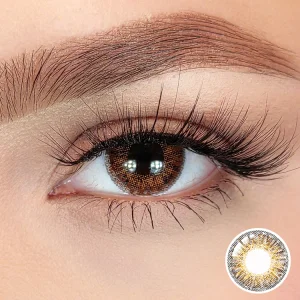
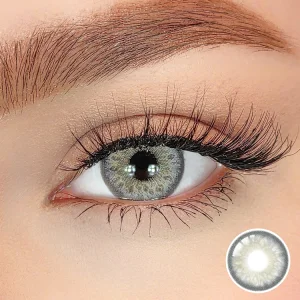
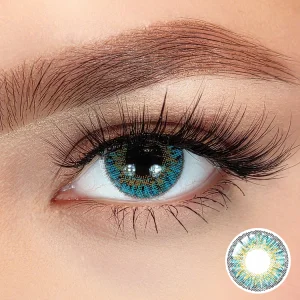
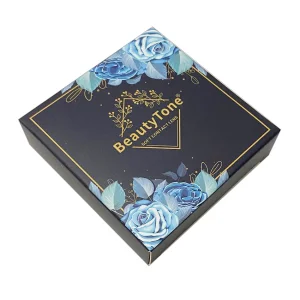
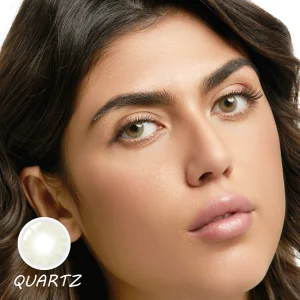
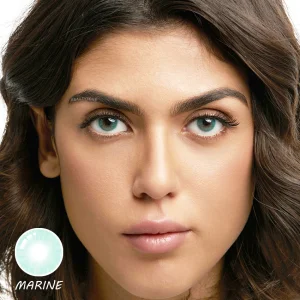
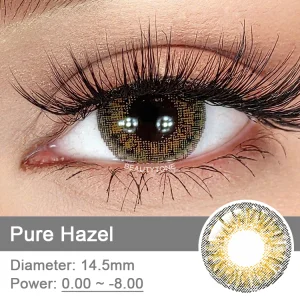
In the global ophthalmic medical devices market, lens cases serve a vital protective and hygienic role. Far from being mere plastic containers, modern lens cases represent a intersection of polymer chemistry, sterilization design, and user-centric ergonomics. Stringent oversight from health agencies like the FDA, EMA, and NMPA classifies lens cases as Class II (or Class I Sterile) medical device accessories, subjecting factories to high-grade regulatory barriers.
As contact lens use increases worldwide—driven by colored aesthetic lenses and myopia management—demand for custom, functional, and retail-ready lens cases has surged. To maintain biological safety, manufacturers must implement materials free from BPA, phthalates, and heavy metals, utilizing medical-grade Polypropylene (PP) and thermoplastic elastomers (TPE).
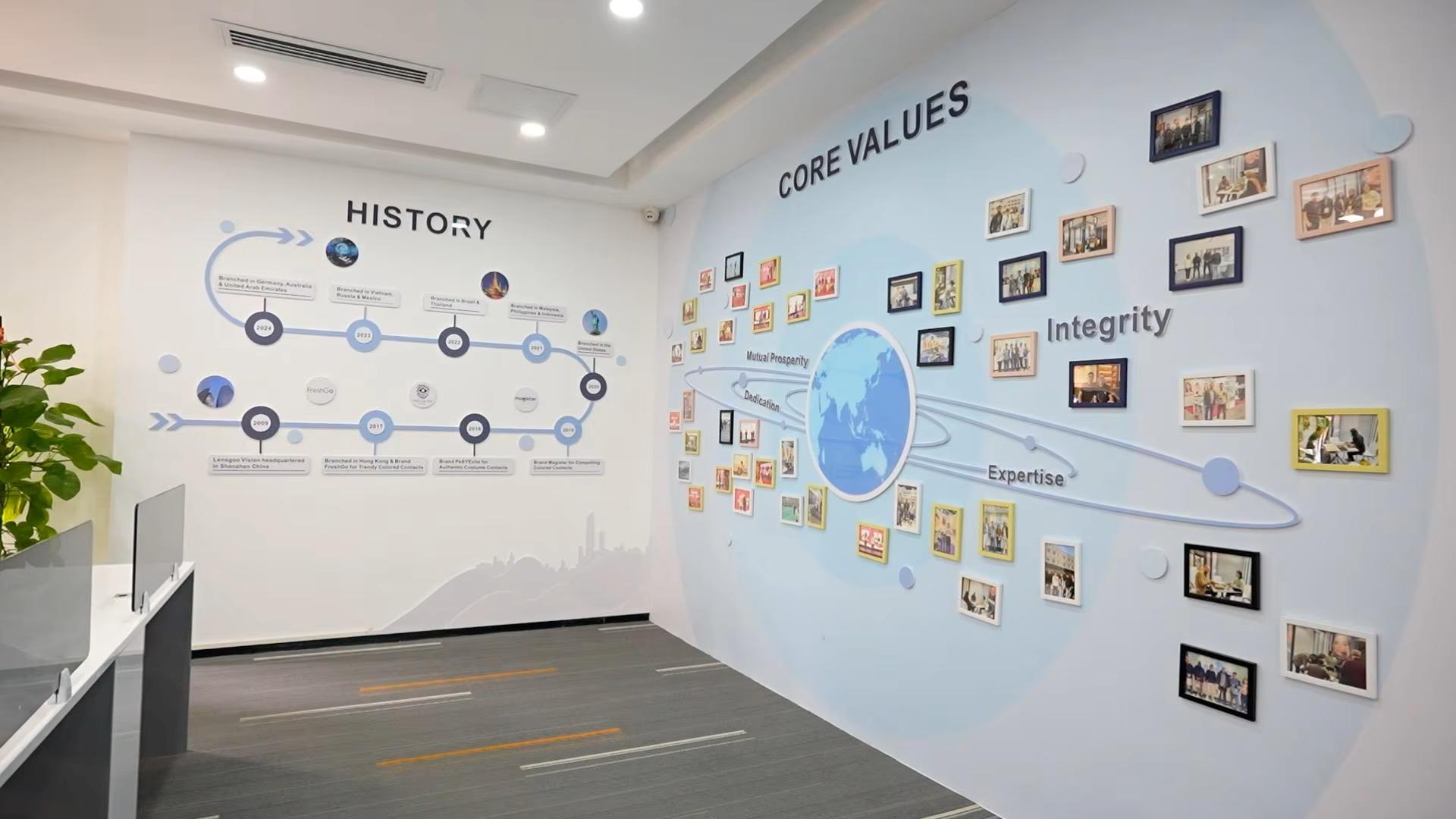
Why multinational optic firms, cosmetic brands, and large-scale importers establish their primary OEM/ODM supply chains in southern China.
Dongguan offers mature plastic molding ecosystems. Complex, custom shapes, specialized inner cavities, and structural improvements move from 3D modeling to physical prototypes in days, reducing time-to-market.
Utilizing high-cavitation hot-runner mold arrays and multi-axis demoulding robotics reduces manual handling. Automation maintains micro-metric precision, preventing defects that compromise lens health.
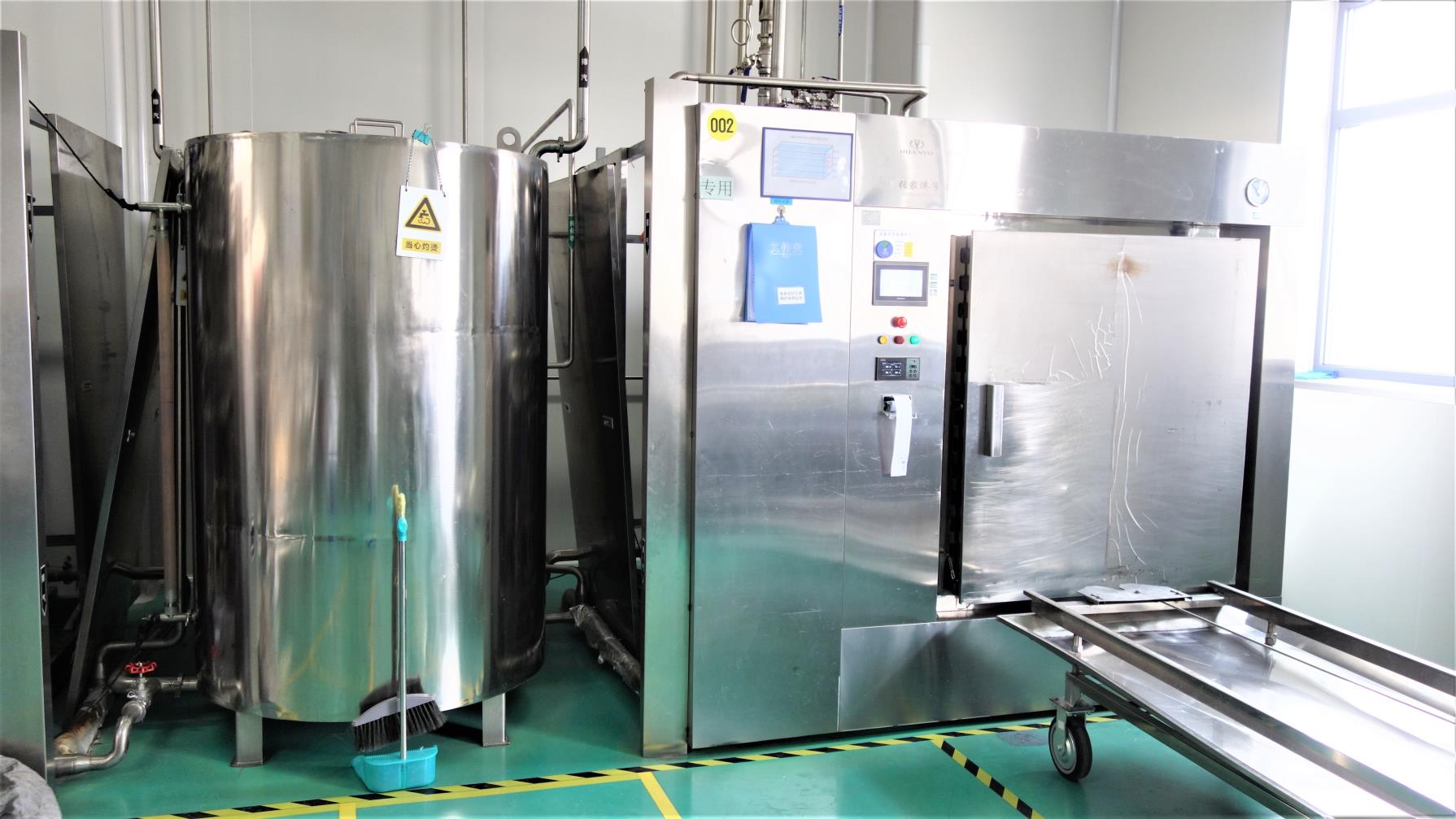
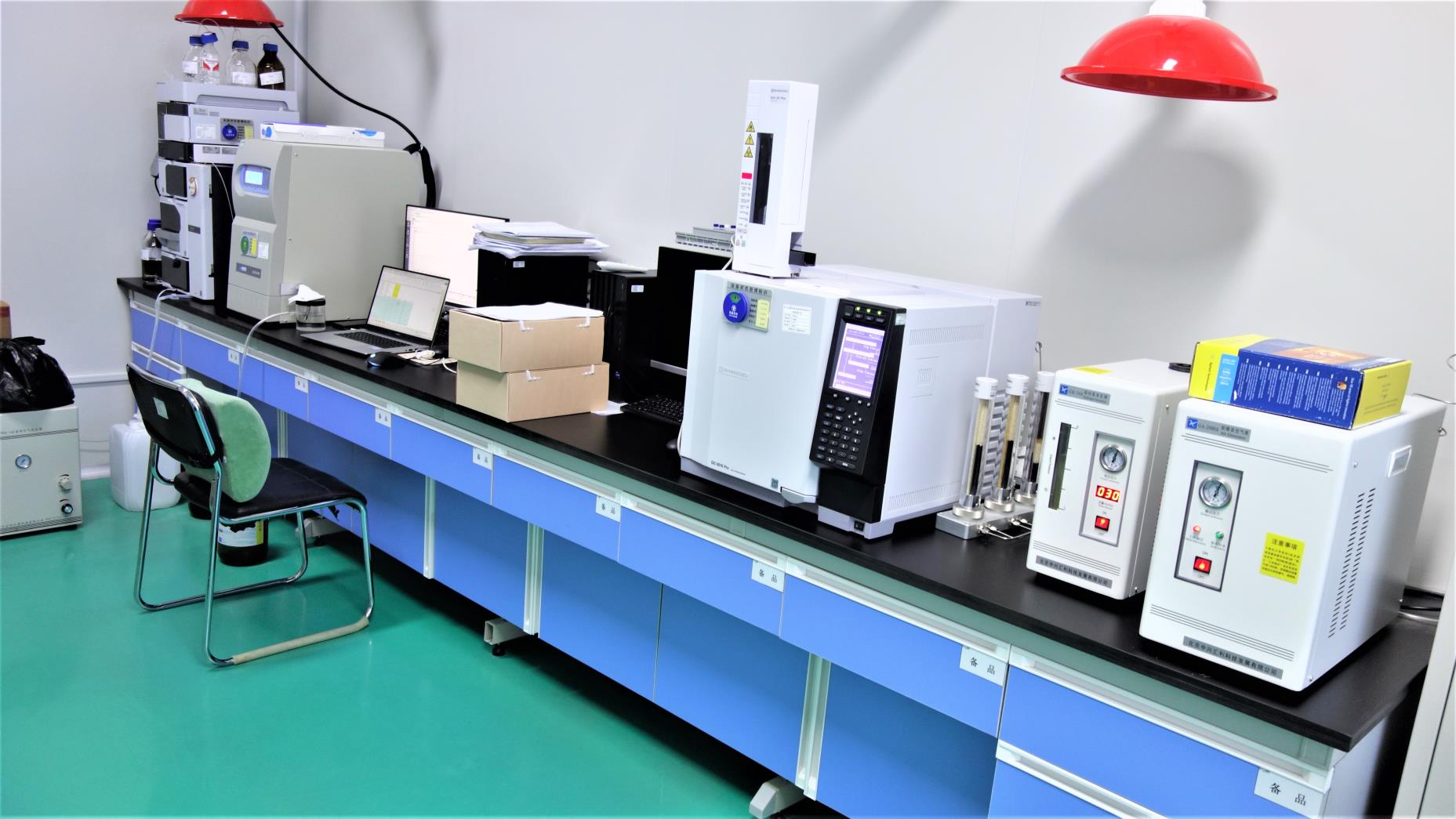
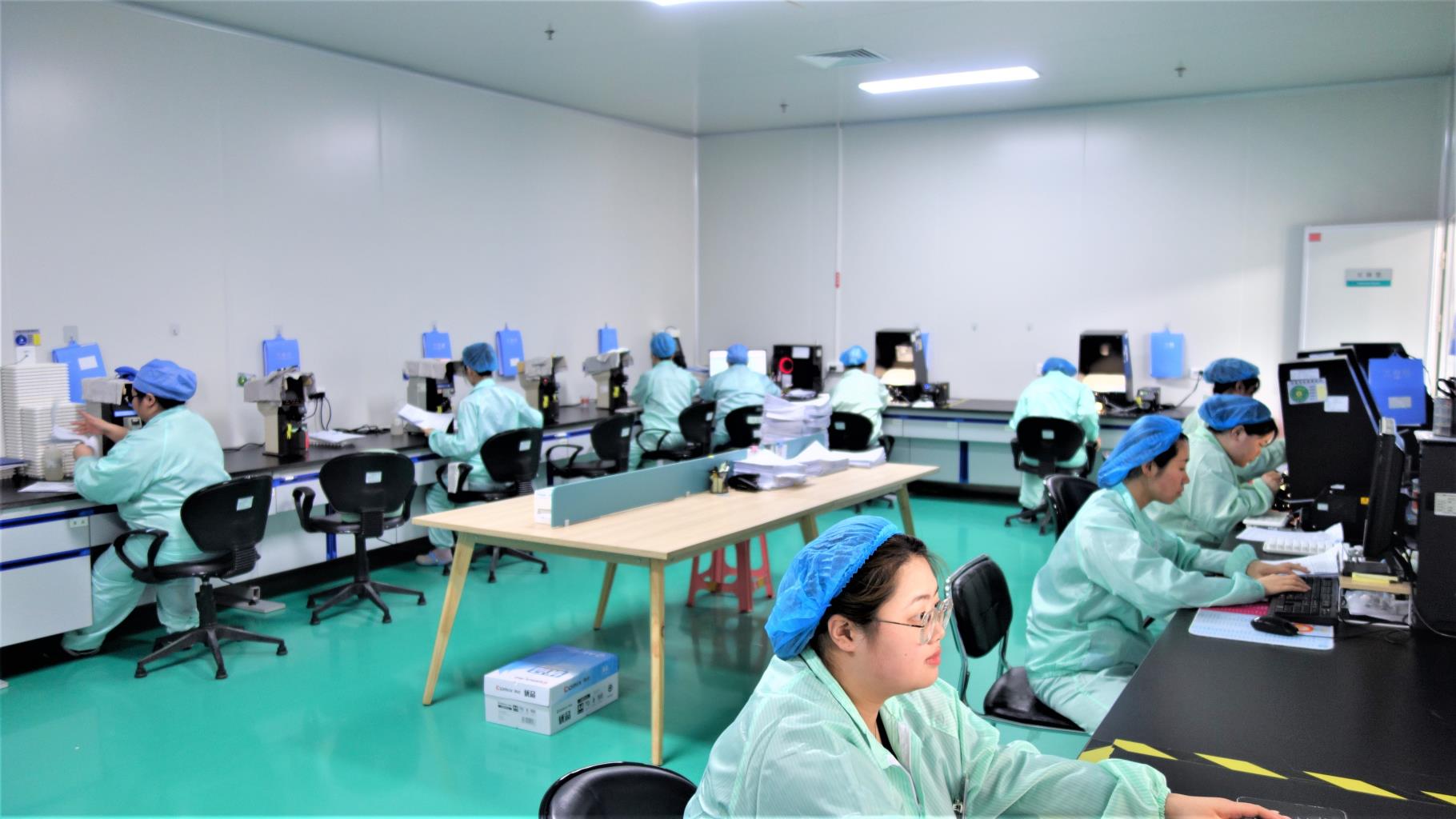
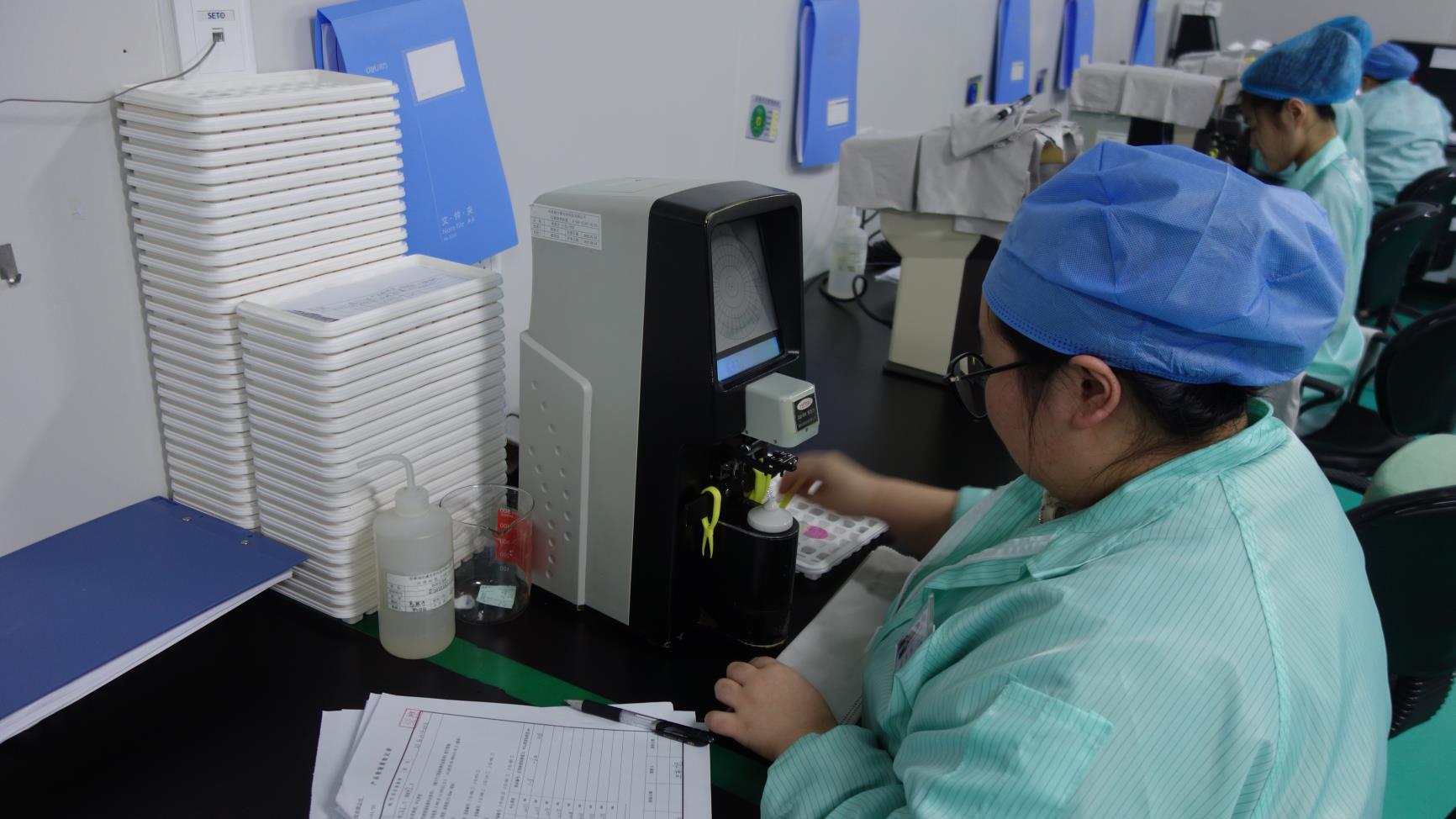
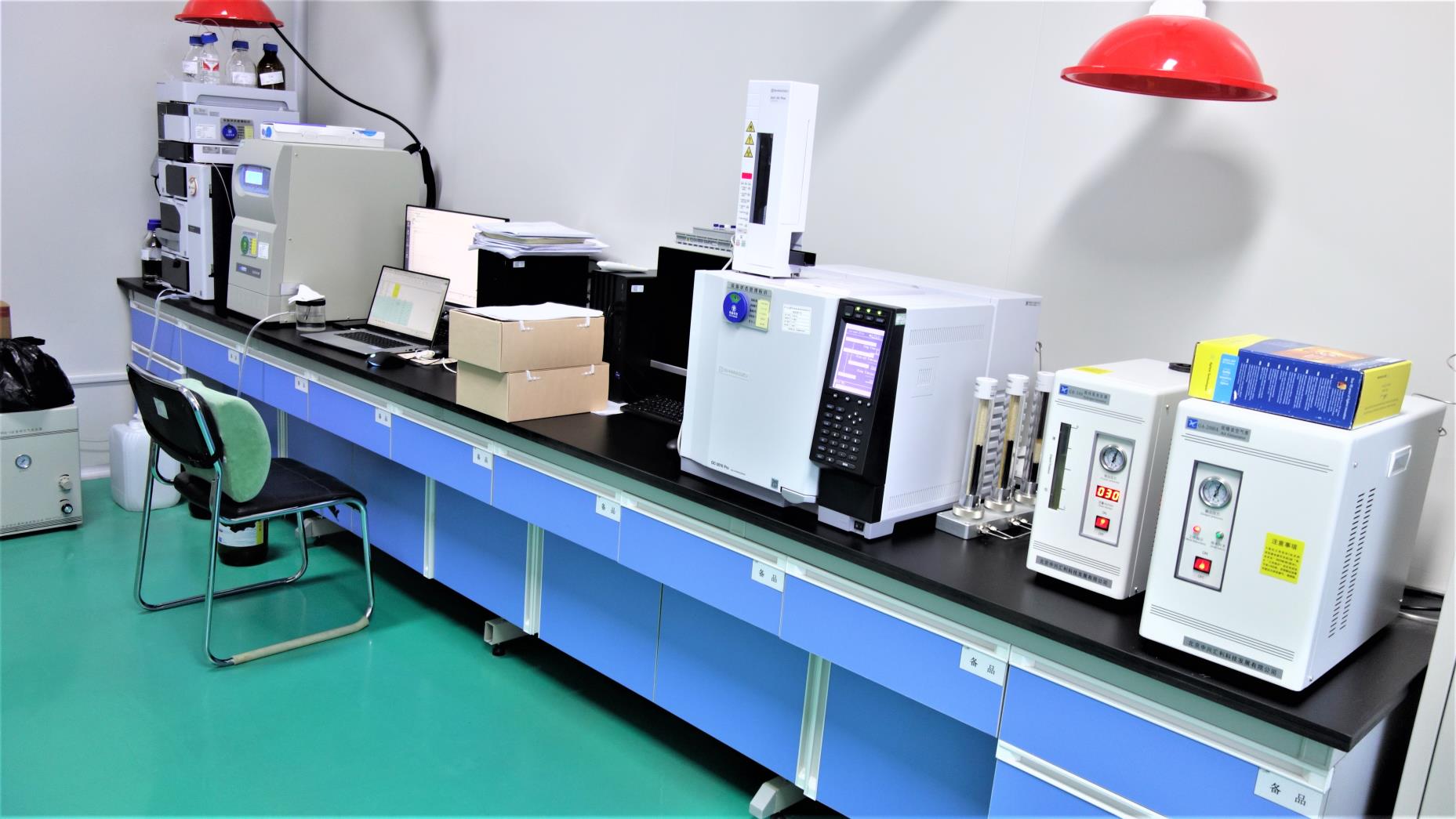
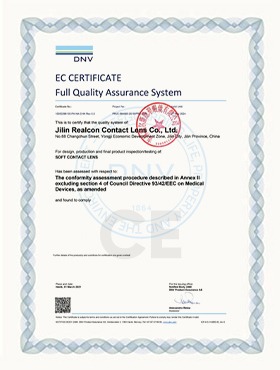
Dongguan’s medical accessory manufacturers operate under ISO 13485 (Medical Devices Quality Management) protocols. Raw polymers are fully traceable, and regular heavy metal and cytotoxicity tests are integrated into quality control.
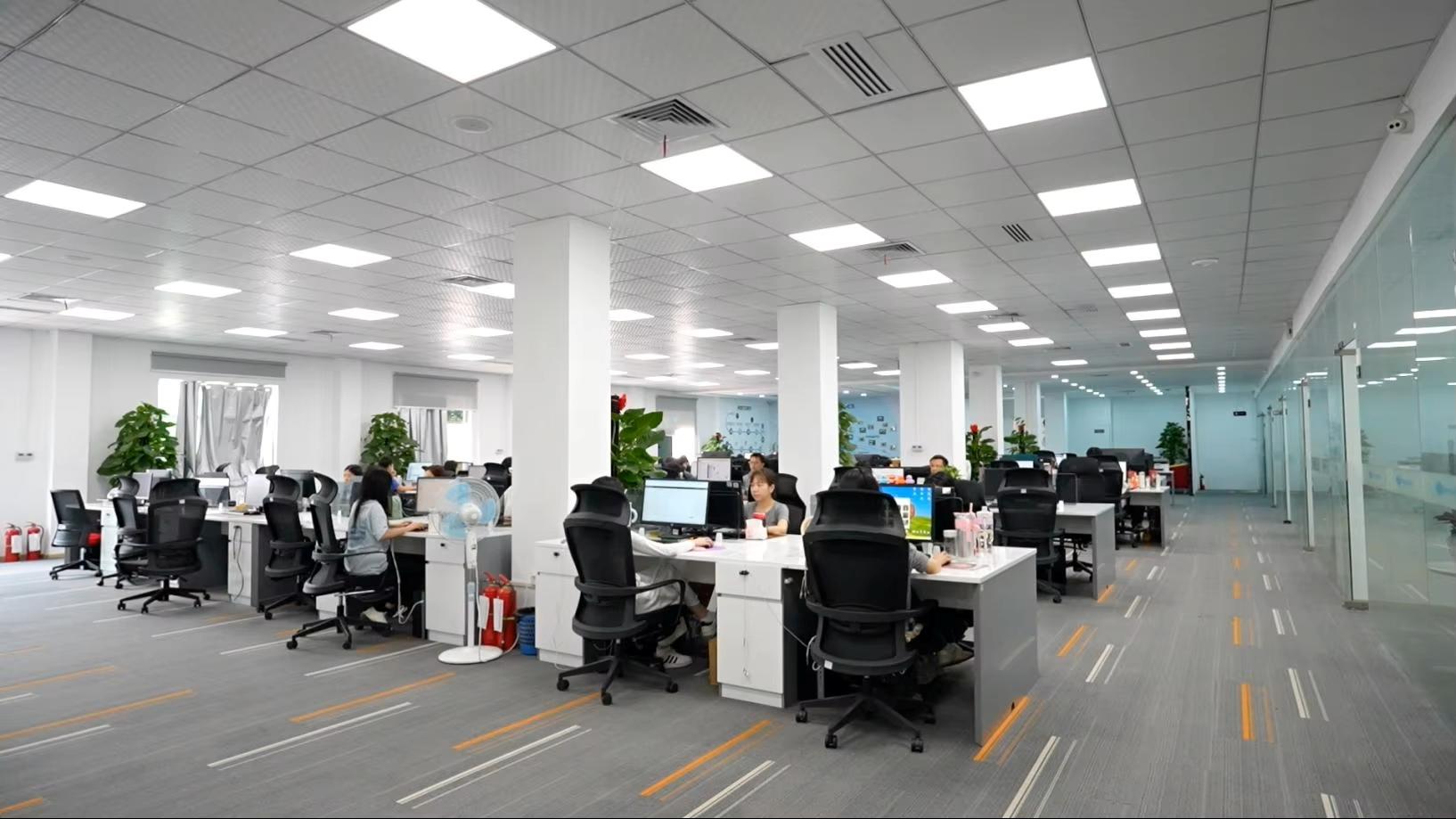
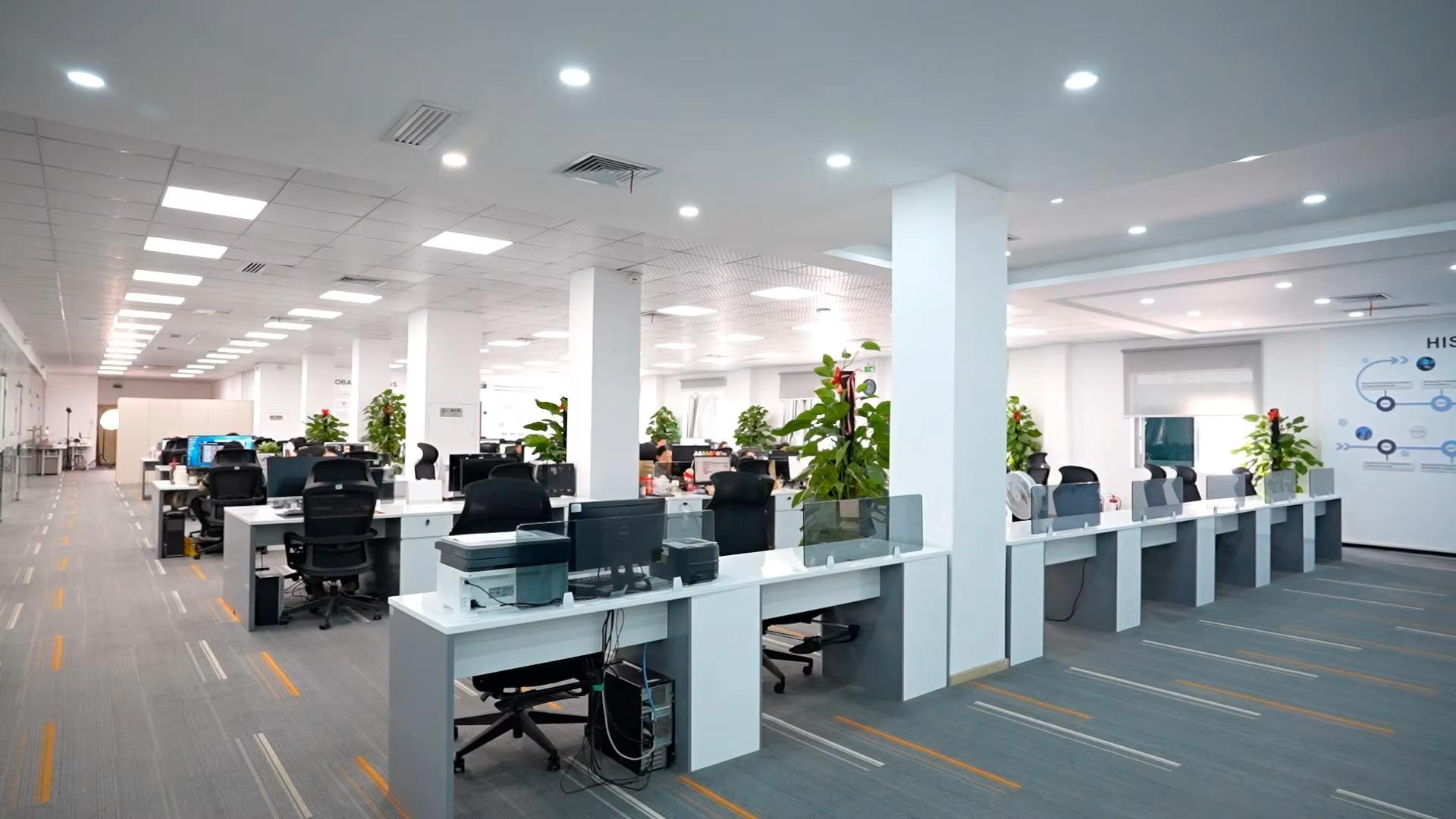
Eyes Matrix Contacts Lenses Technology Co., Ltd. (Dongguan) integrates medical-grade production and agile design, enabling brands, influencers, and optical startups to scale lens lines efficiently.
Chic Brands demand safety and design flexibility. Our facility features certified production lines and an in-house design studio. Whether you require standard cases or complex multi-tonal custom configurations, our team quickly translates concepts into physical products. With low MOQs and CE/ISO compliance support, we simplify manufacturing logistics, allowing you to focus on growth.


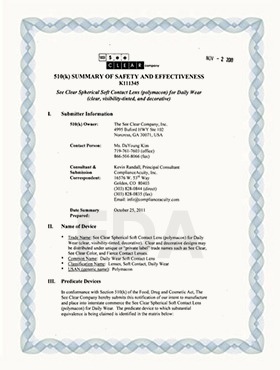
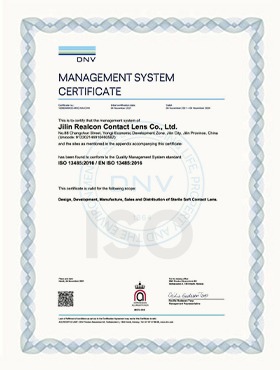
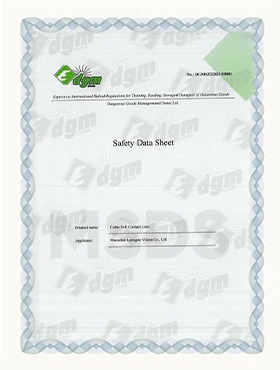
Understanding how target markets use and distribute contact lens accessory products.
Online contact lens retailers require flat-pack, lightweight, and leak-proof lens cases to minimize postal costs. Custom colors and branding improve customer unboxing experiences and retention.
Ophthalmologists and optometrists require sterile, medical-grade cases for standard patient trials. Compliance markings (L & R indicators) must remain visible and legible after repeated autoclave or chemical cleanings.
Colored contact lenses are increasingly integrated into beauty kits. Manufacturers offer compact, matching lens cases featuring mirrors, tweezers, and solution vials, providing all-in-one eye care accessories.
| Material / Innovation Type | Technical Characteristics | Sanitary Rating | Preferred Markets | Compliance Status |
|---|---|---|---|---|
| Virgin Medical-Grade PP | Excellent chemical resistance, low protein absorption, high thermal stability. | Highest (FDA Compliant) | North America, EU, Japan | ISO 13485 / USP Class VI |
| Silver-Ion Antimicrobial Additives | Inhibits bacterial biofilm growth inside the chambers, reducing infection risks. | Advanced Protection | Premium Brands / Medical Clinics | EU MDR Compliant |
| Dual-Shot TPE Overmolding | Creates integrated leak-proof gaskets without using glue or adhesives. | High Mechanical Reliability | Global Travel Accessory Brands | FDA Food Contact Safe |
| Recycled / Bio-Plastics | Reduces carbon footprint; requires rigorous testing to confirm zero chemical leaching. | Eco-Innovation | Scandinavian & Western European Brands | Under Evaluation (MDR) |
Detailed technical answers for procurement directors, product managers, and safety compliance officers.
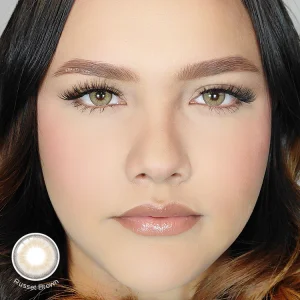
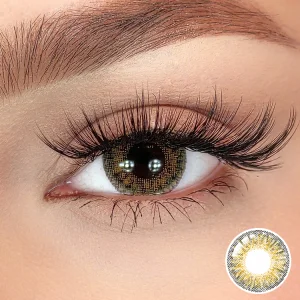
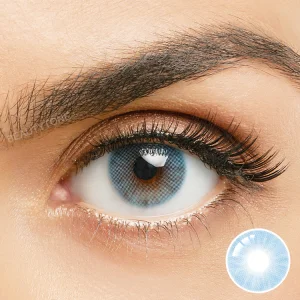
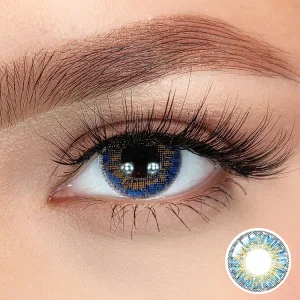
Explore our certified colored contact lens styles, designed for comfort and quality.