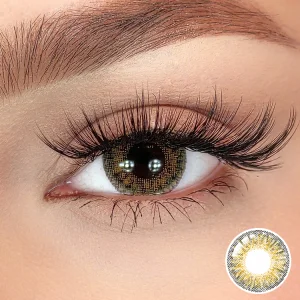
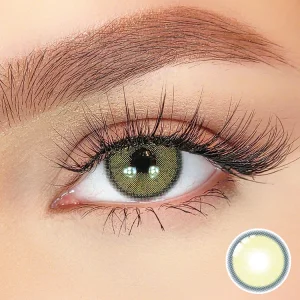
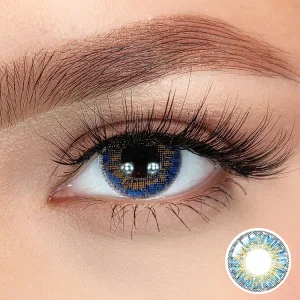
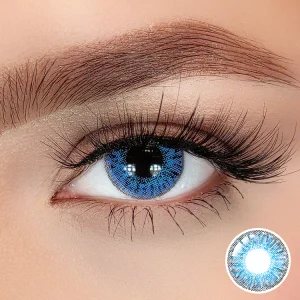
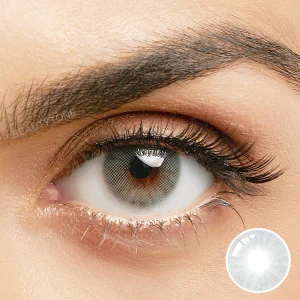
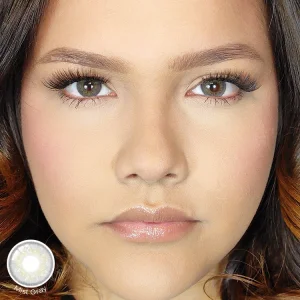
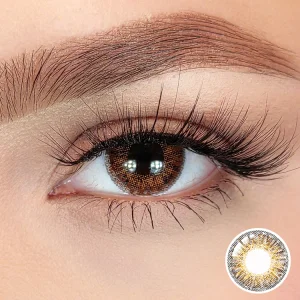
Eyes Matrix Contacts Lenses
Eyes Matrix Contacts Lenses
Eyes Matrix Contacts Lenses
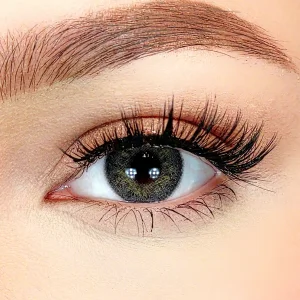
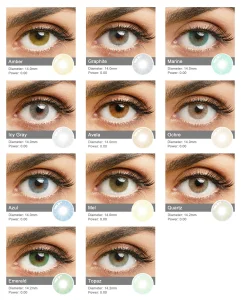
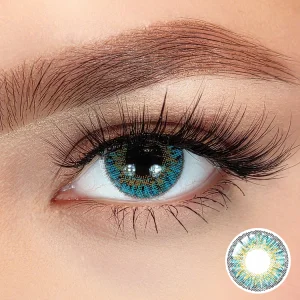
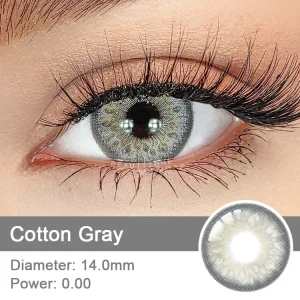
Explore our leading product lineup manufactured with advanced hydrogel polymers, dual-layer safety tech, and unmatched comfort profiles.
Welcome to Eyes Matrix Contacts Lenses Technology Co., Ltd.—where vision tech meets global beauty trends. Based in Dongguan, we are a modern, agile contact lens factory designed to help beauty brands, influencers, and optical startups launch and scale their own colored lens lines with ease.
We understand that the modern market demands both absolute safety and trend-setting designs. That’s why we’ve combined a medical-grade, certified production facility with an agile creative studio. Whether you need natural, everyday enlargement lenses or bold, multi-tonal cosmic effects, our in-house design team can rapidly turn concepts into physical samples.
With flexible MOQ frameworks, streamlined Private Label packages, and reliable compliance support (CE/ISO), Chic Contacts eliminates the complexity of medical-device manufacturing. We handle the heavy engineering so you can focus on your brand.
The global color contact lens market is undergoing a seismic paradigm shift. What once served purely as a corrective optical medical device has evolved into a powerhouse of cosmetic self-expression and medical aesthetics. Projections suggest that the global cosmetic contact lens sector will expand at a compound annual growth rate (CAGR) exceeding 8.5% over the current decade, driven by surging consumer adoption in North America, Western Europe, and East Asia.
As a leading Chinese exporter, we have witnessed the rapid transition of buyer demands from simple mono-tone circle lenses to highly sophisticated multi-tonal, realistic iris-replicating designs. The modern consumer demands "hyper-naturalism"—a design philosophy where colored contacts seamlessly blend with the wearer's native iris patterns. To achieve this, manufacturers must pivot from traditional screen-printing to high-definition 3D pattern matrix mapping and advanced cast molding techniques.
Many overseas optical brands, cosmetic distributors, and independent e-commerce brands encounter significant obstacles when importing bulk colored eye contacts. These bottlenecks typically include inconsistent coloring depths, low oxygen transmissibility causing corneal fatigue, uncooperative minimum order quantities (MOQs), and delayed localized registration assistance.
Our operation directly addresses these concerns through a vertically integrated supply model. By coupling custom R&D polymer chemistry with high-speed automated production, we deliver highly repeatable optical quality, customized packaging solutions, and robust technical documentation to secure fast local market clearance.
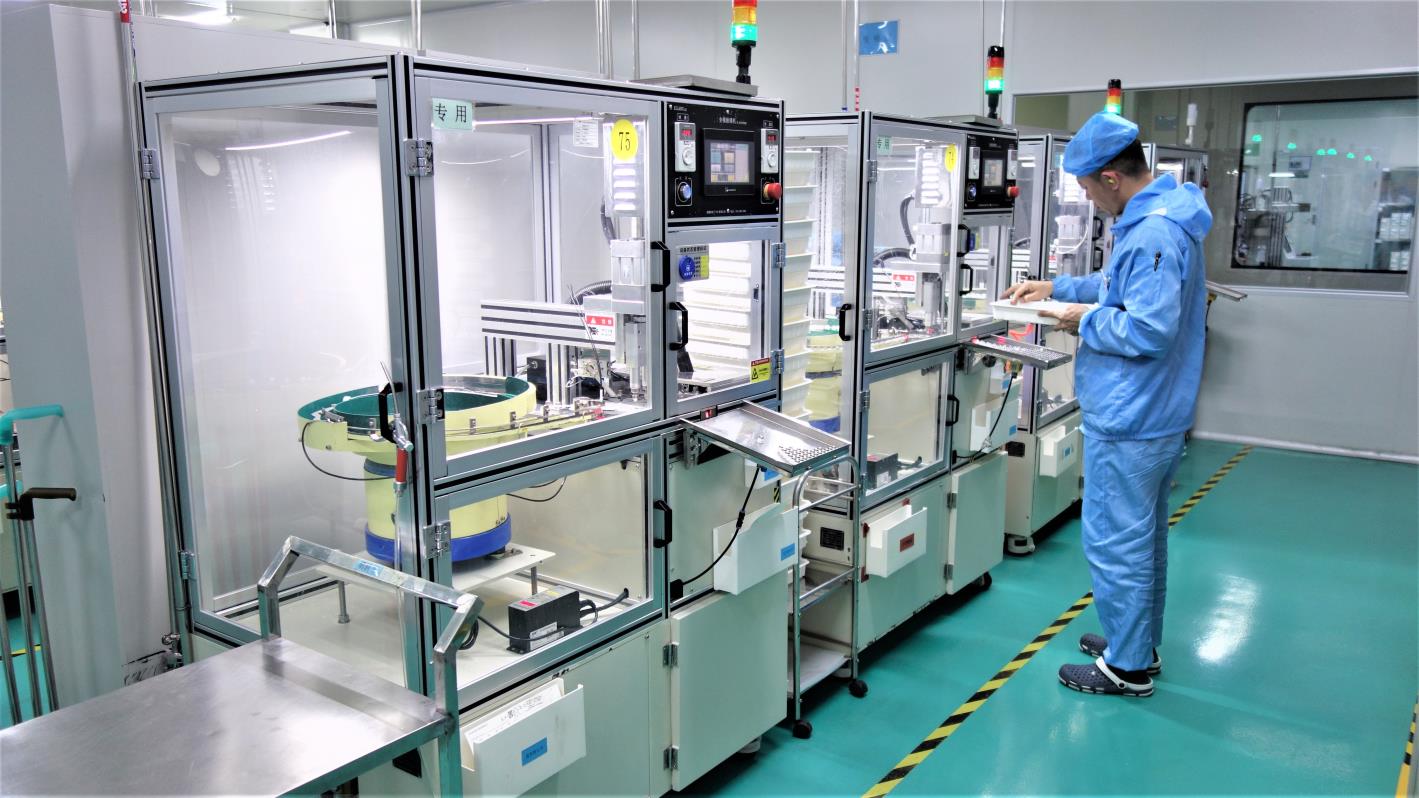
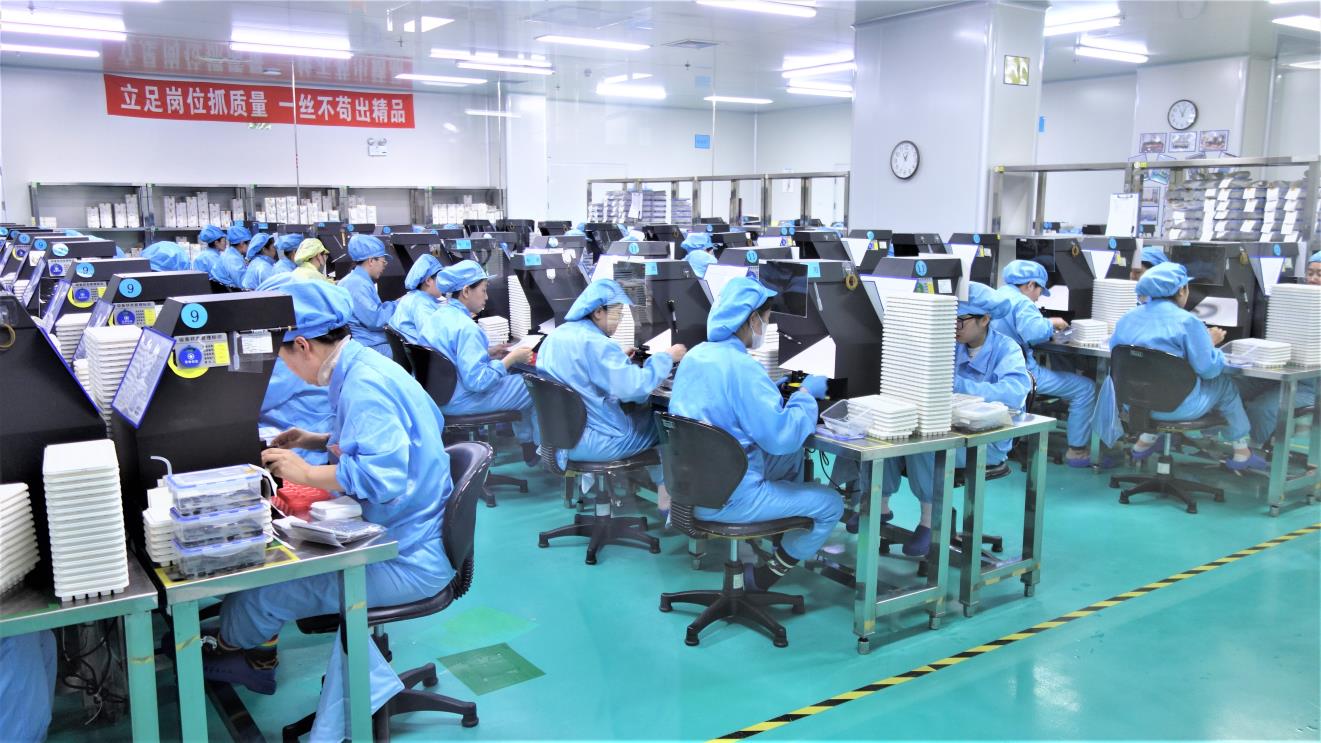
Undergoing continuous clinical calibration and robotic oversight, our facility guarantees zero-compromise safety from liquid monomers to final sealed blisters.
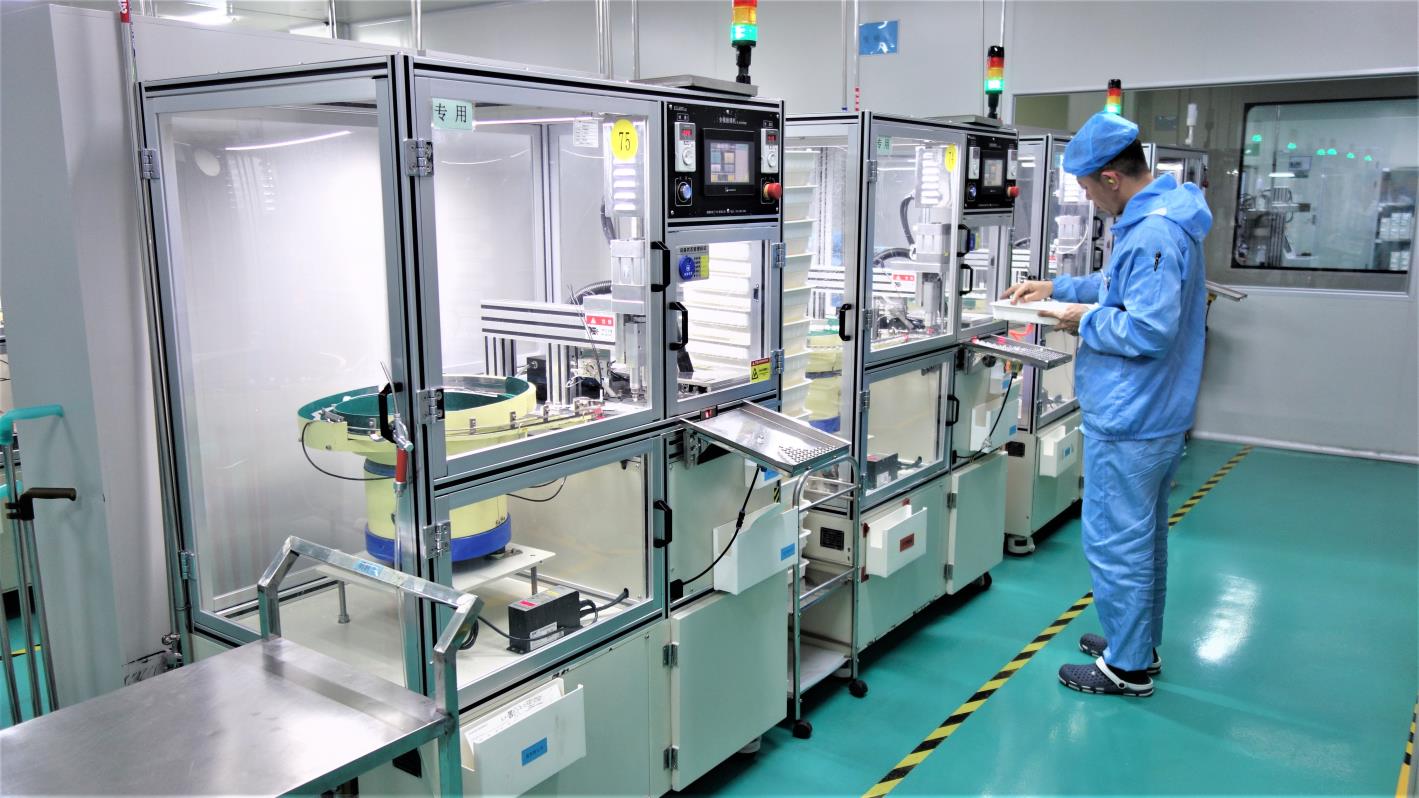
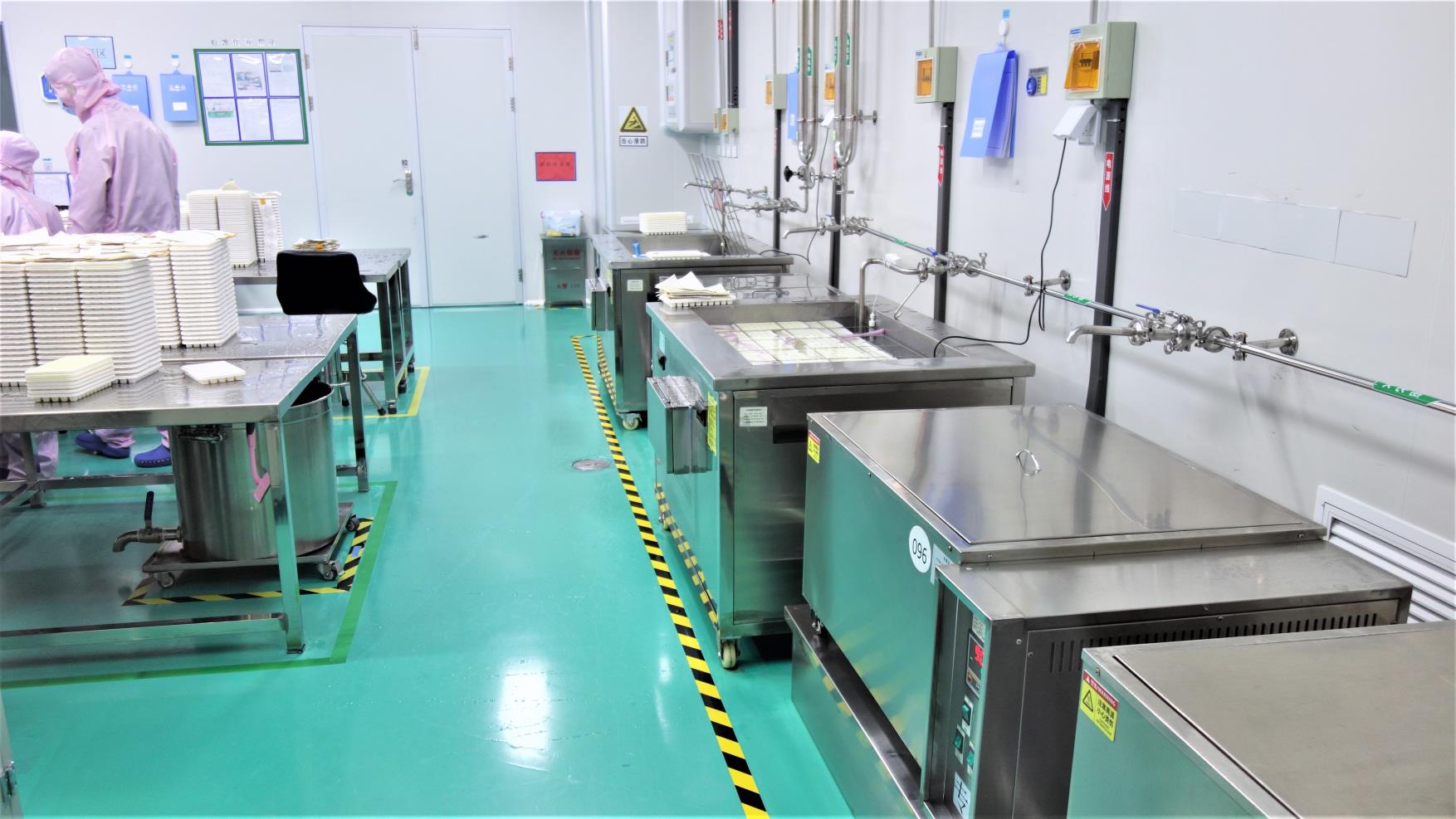
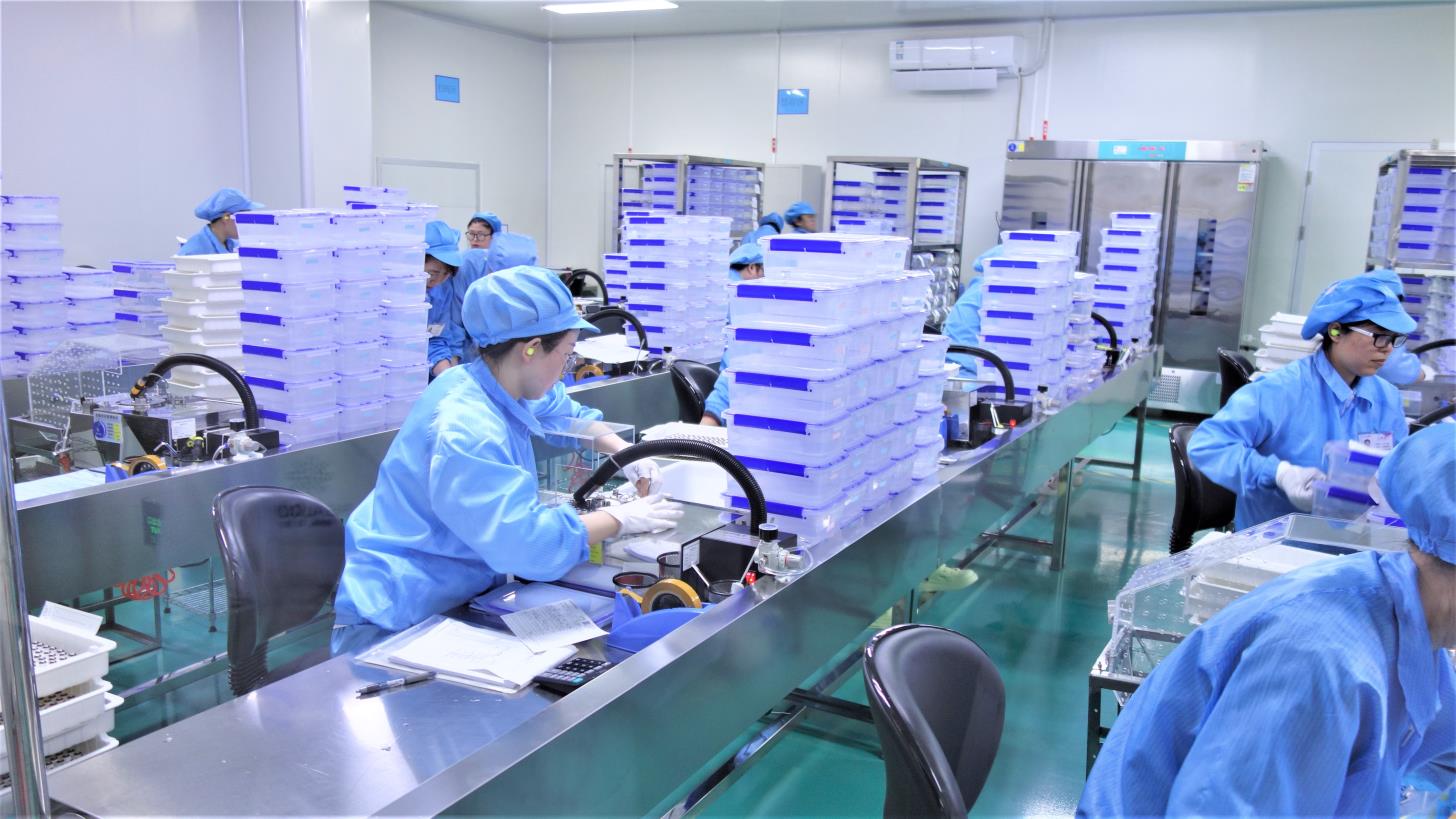
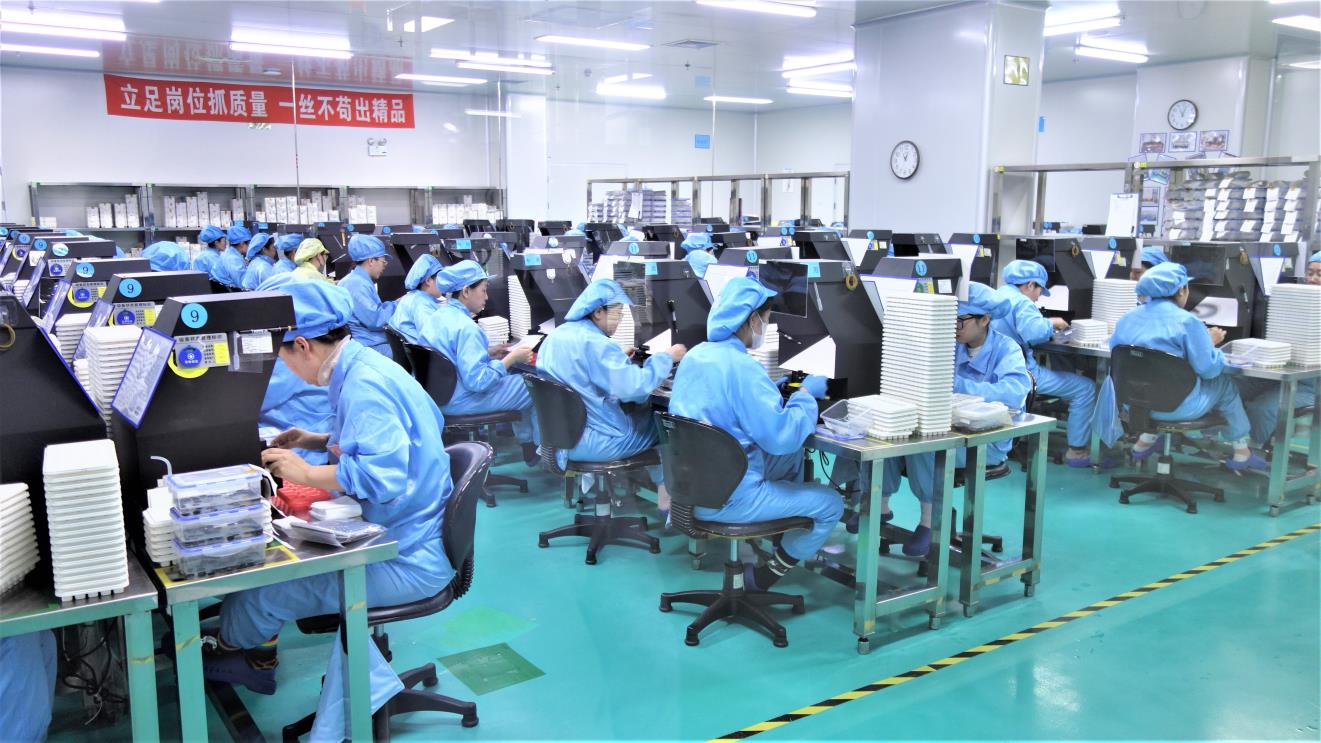
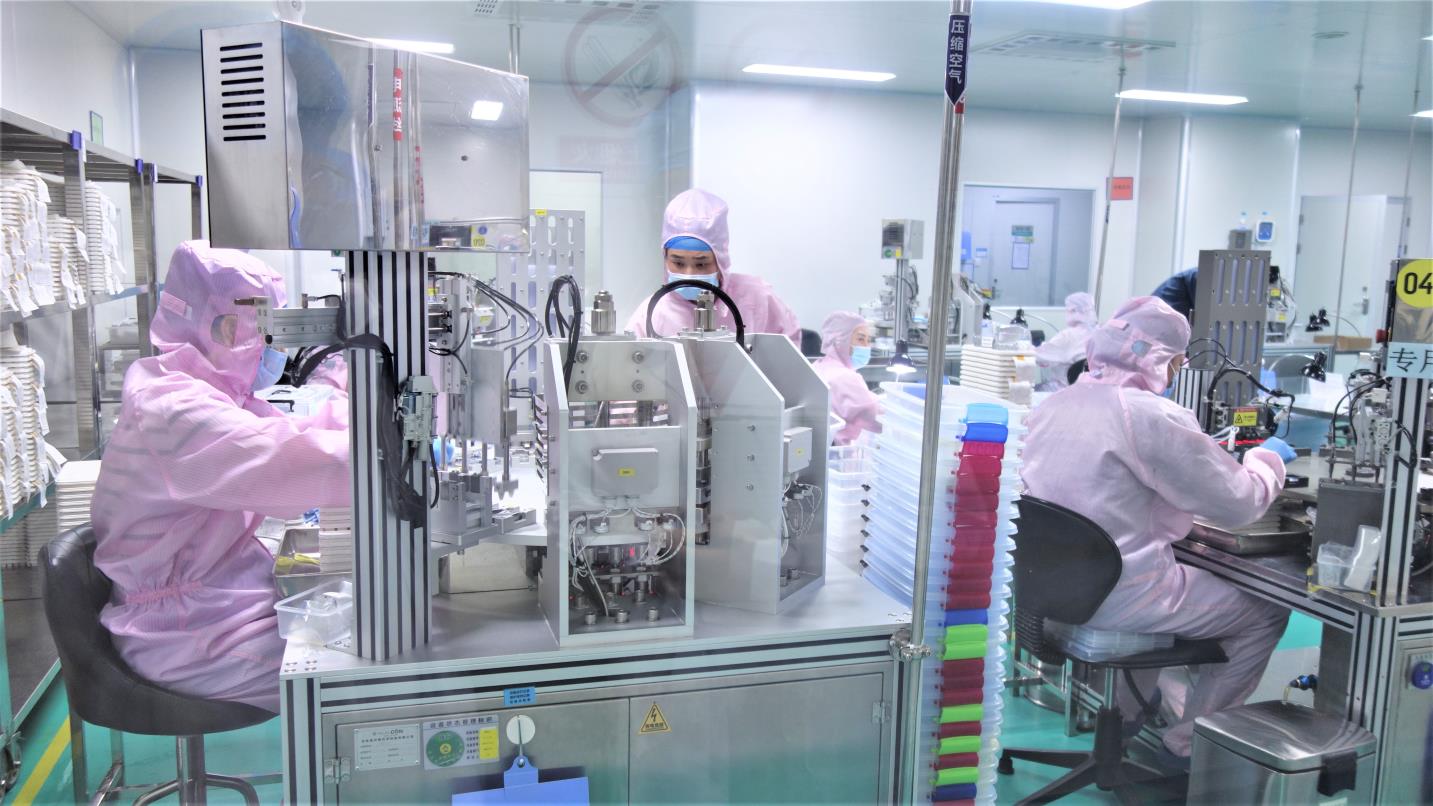
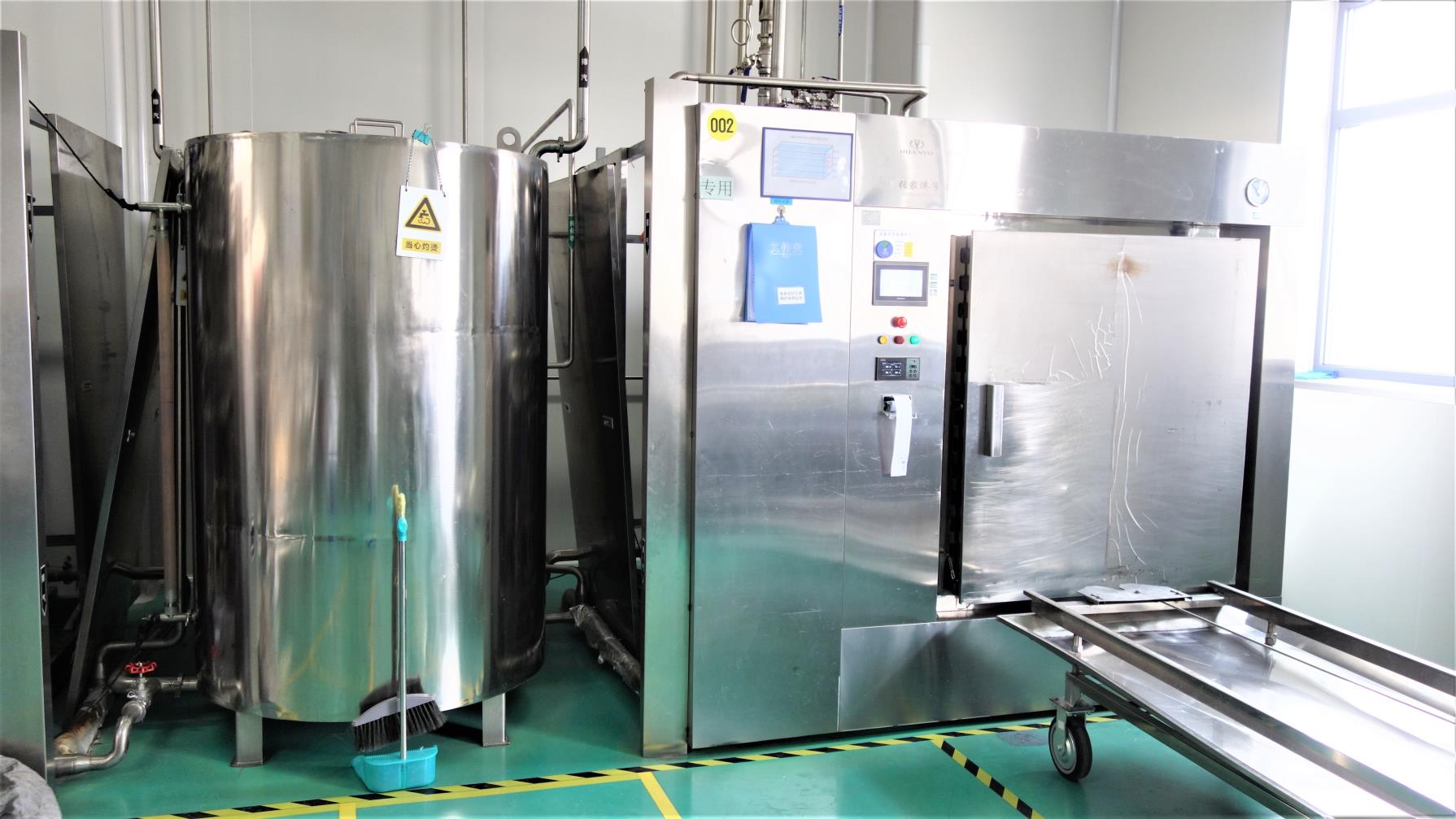
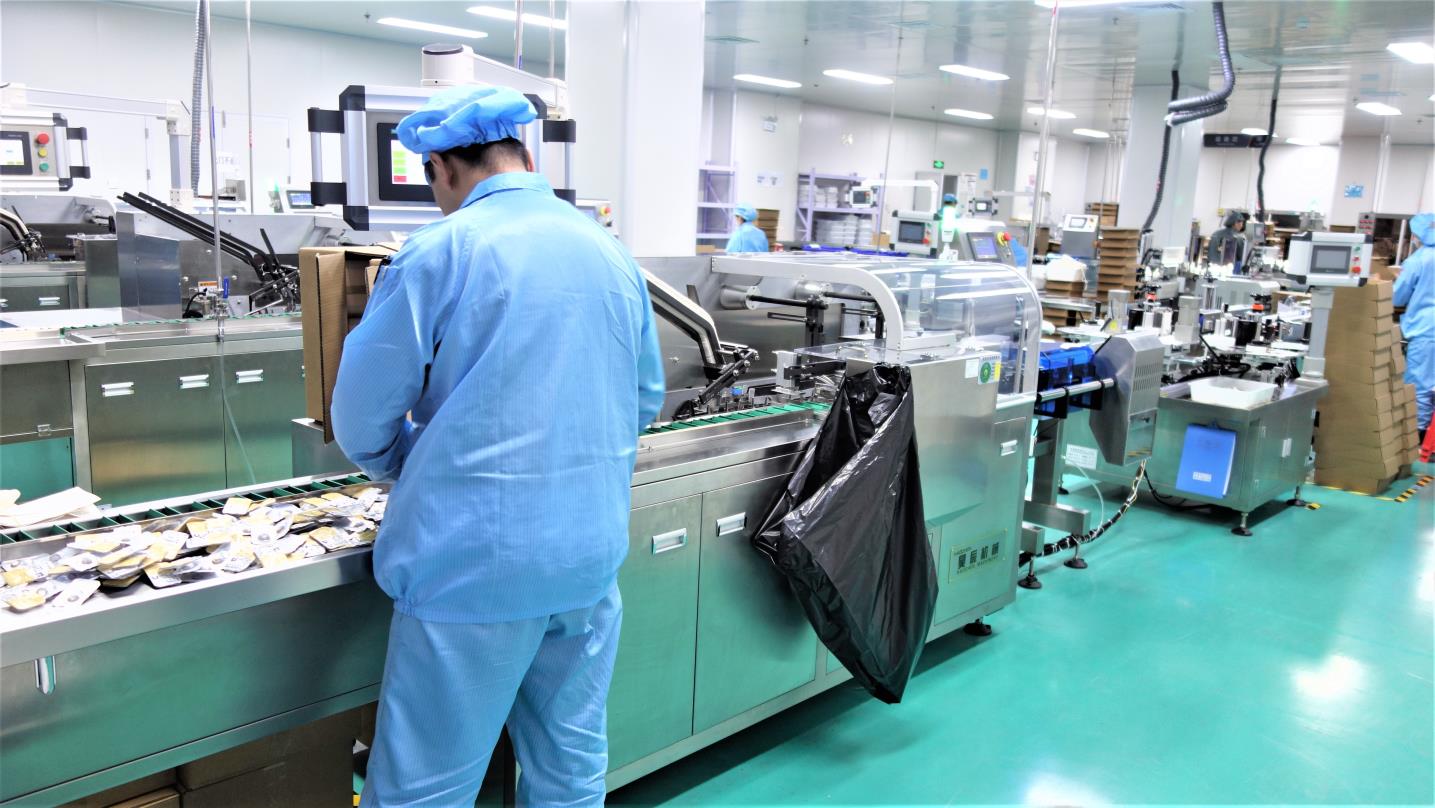
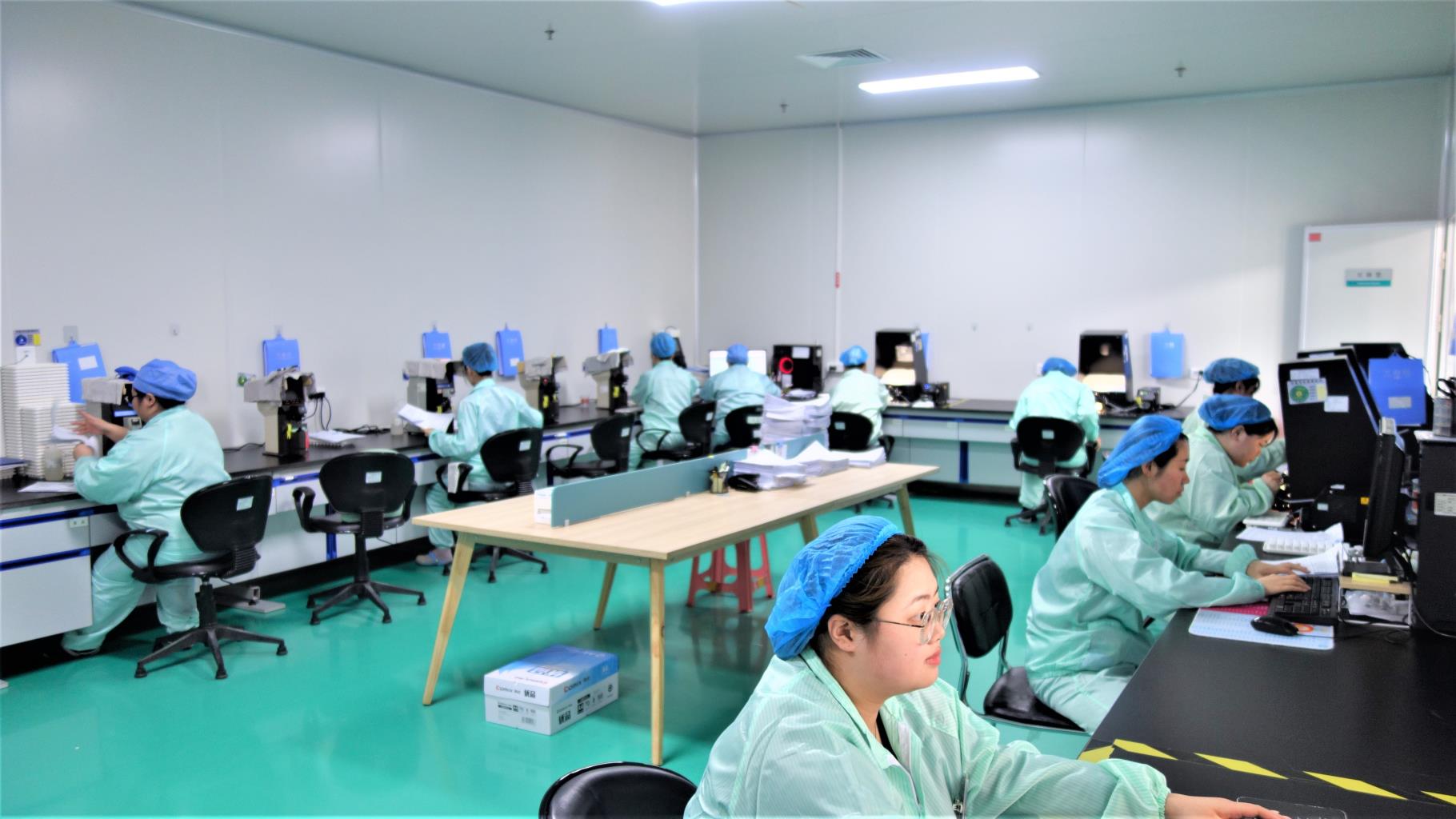
We employ custom automation setups to limit human error, stabilizing moisture levels and lens dimensions for mass distribution.
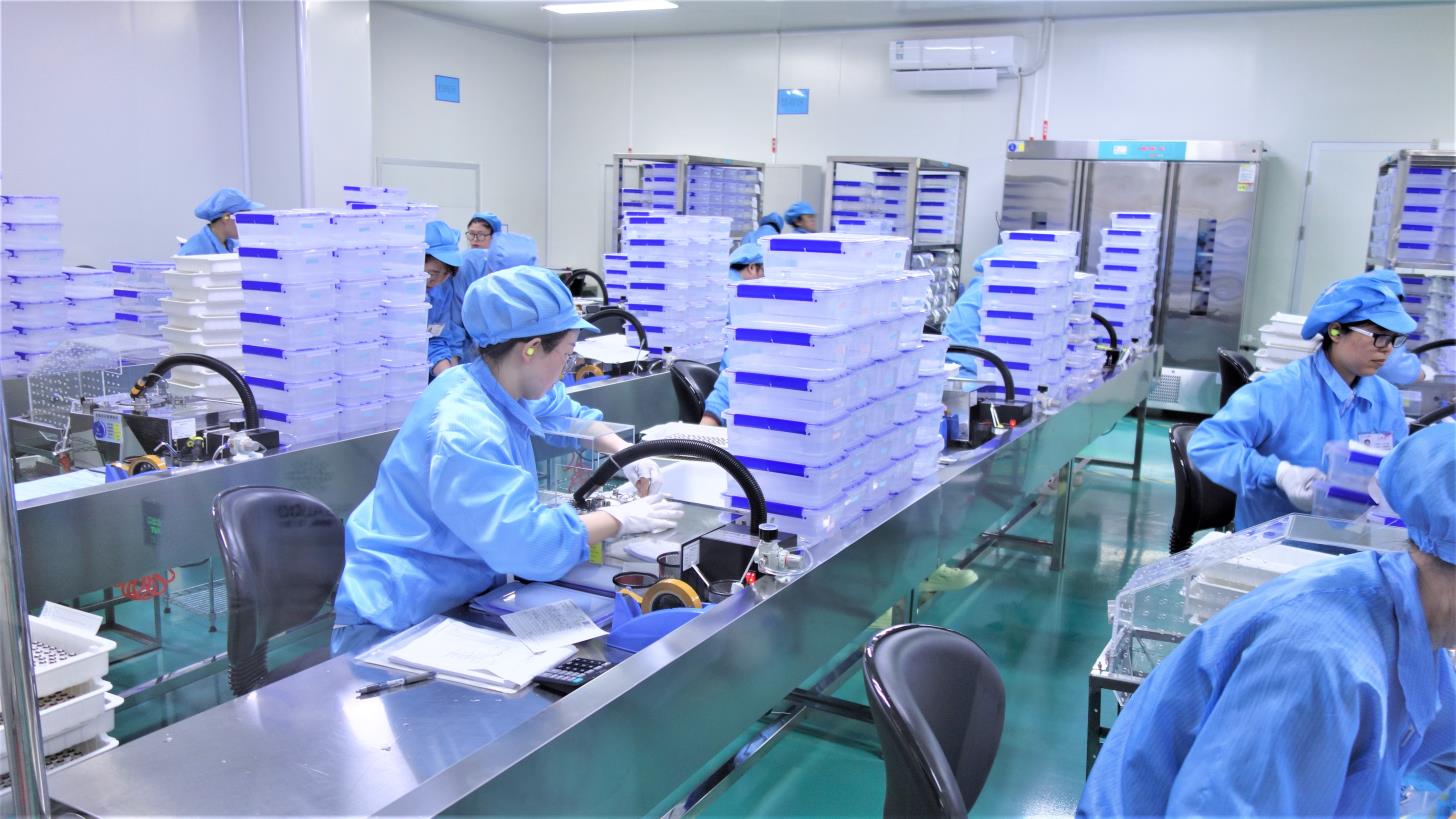
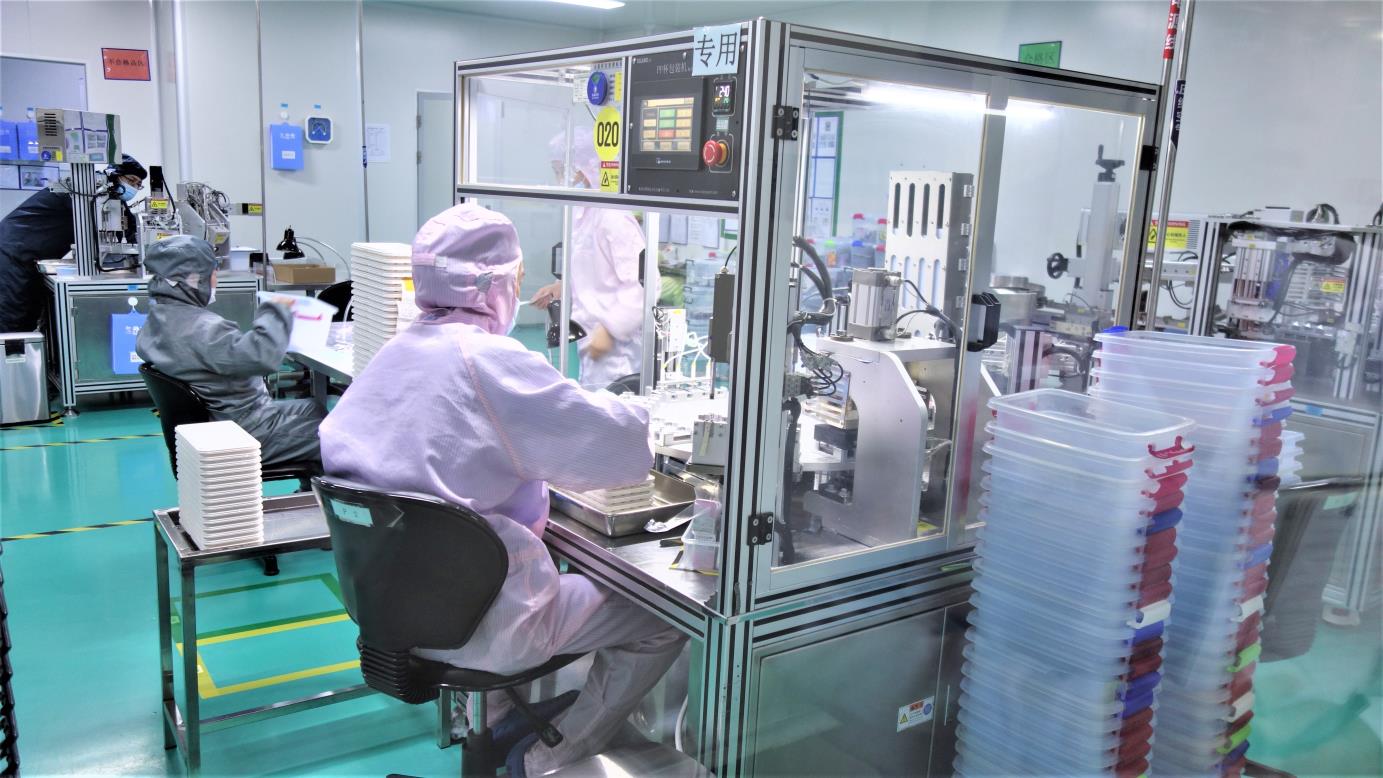
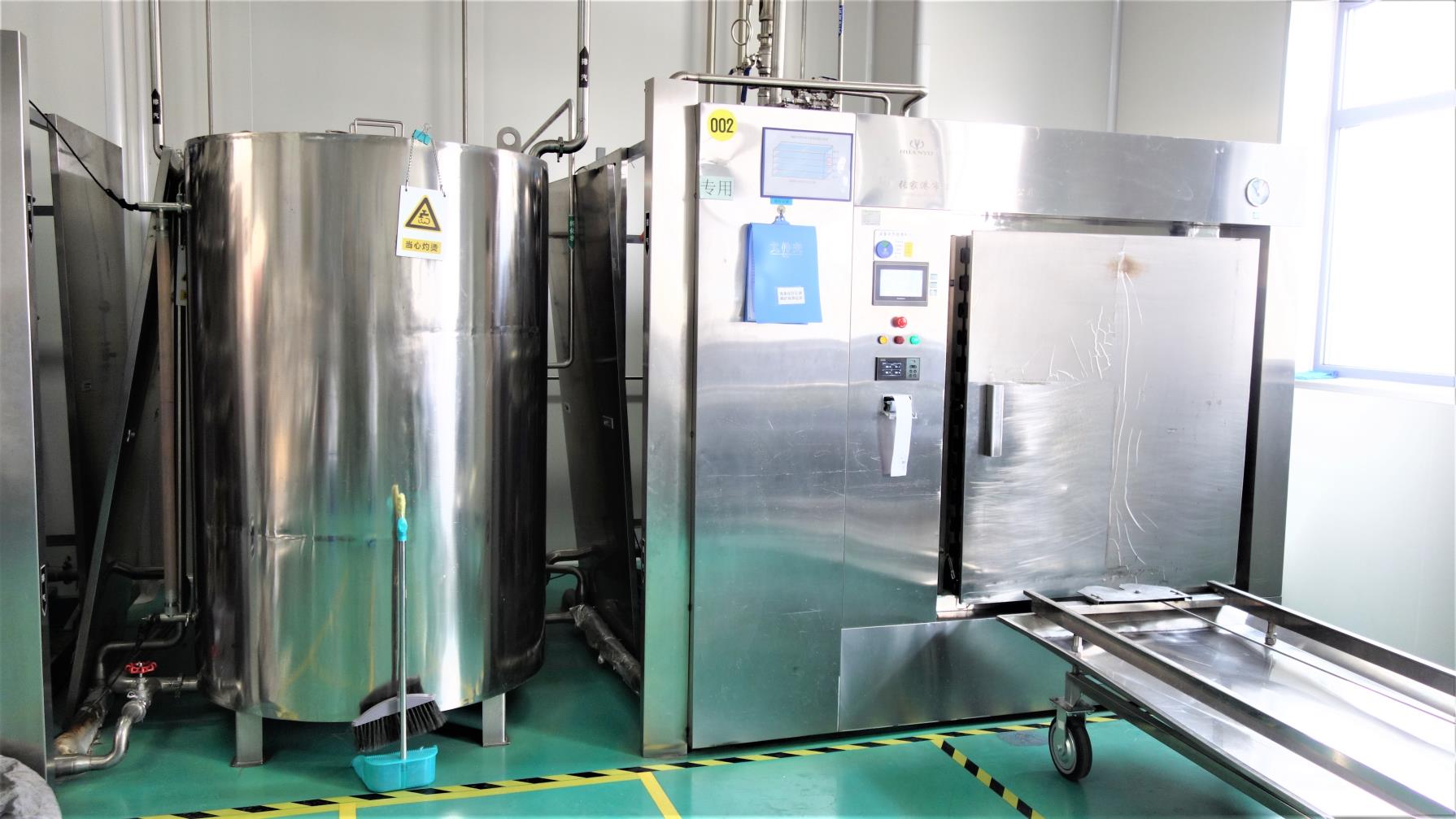
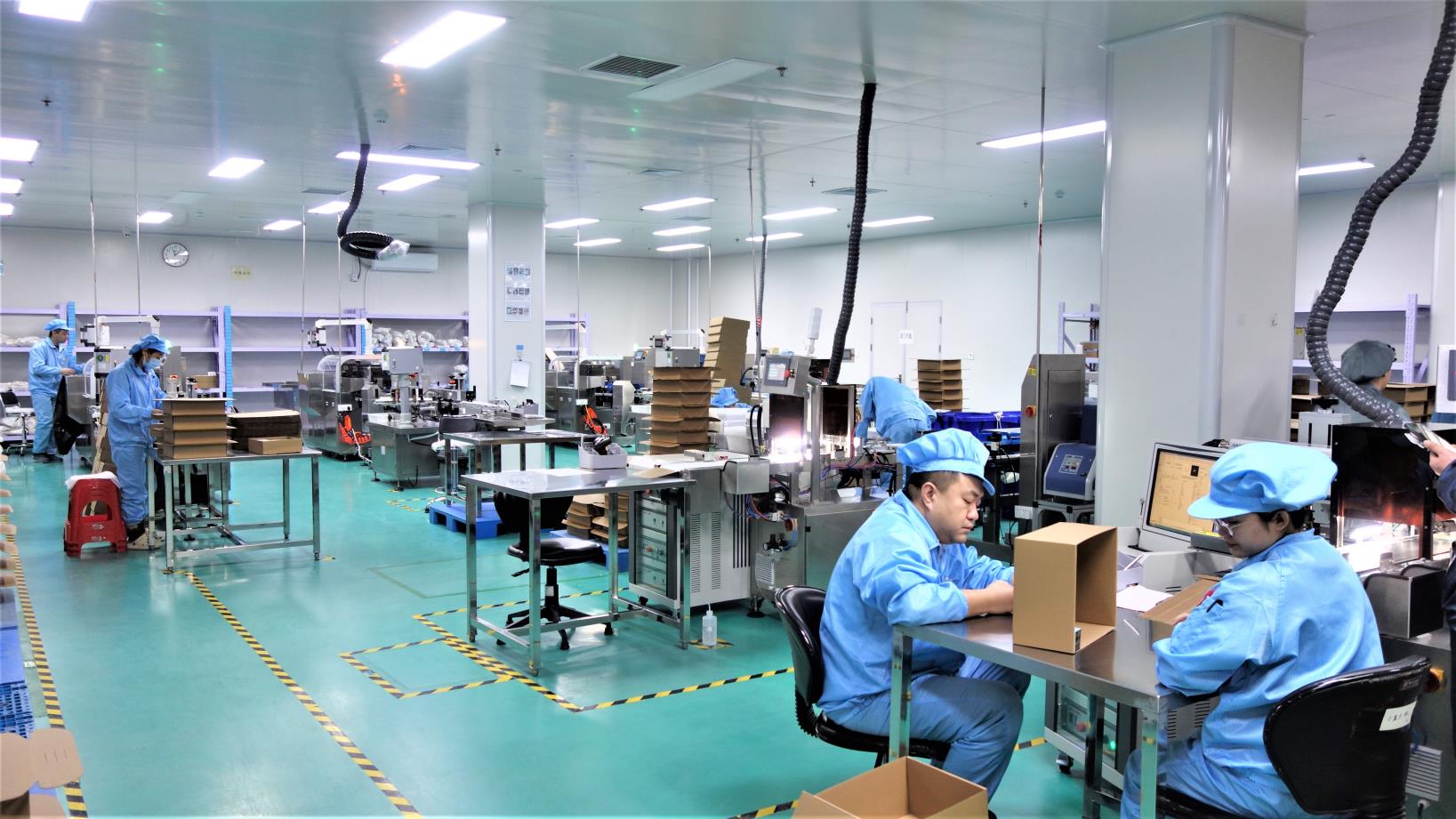
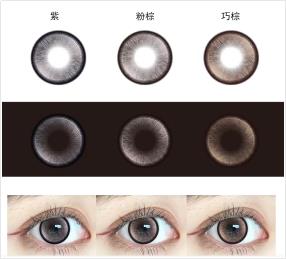
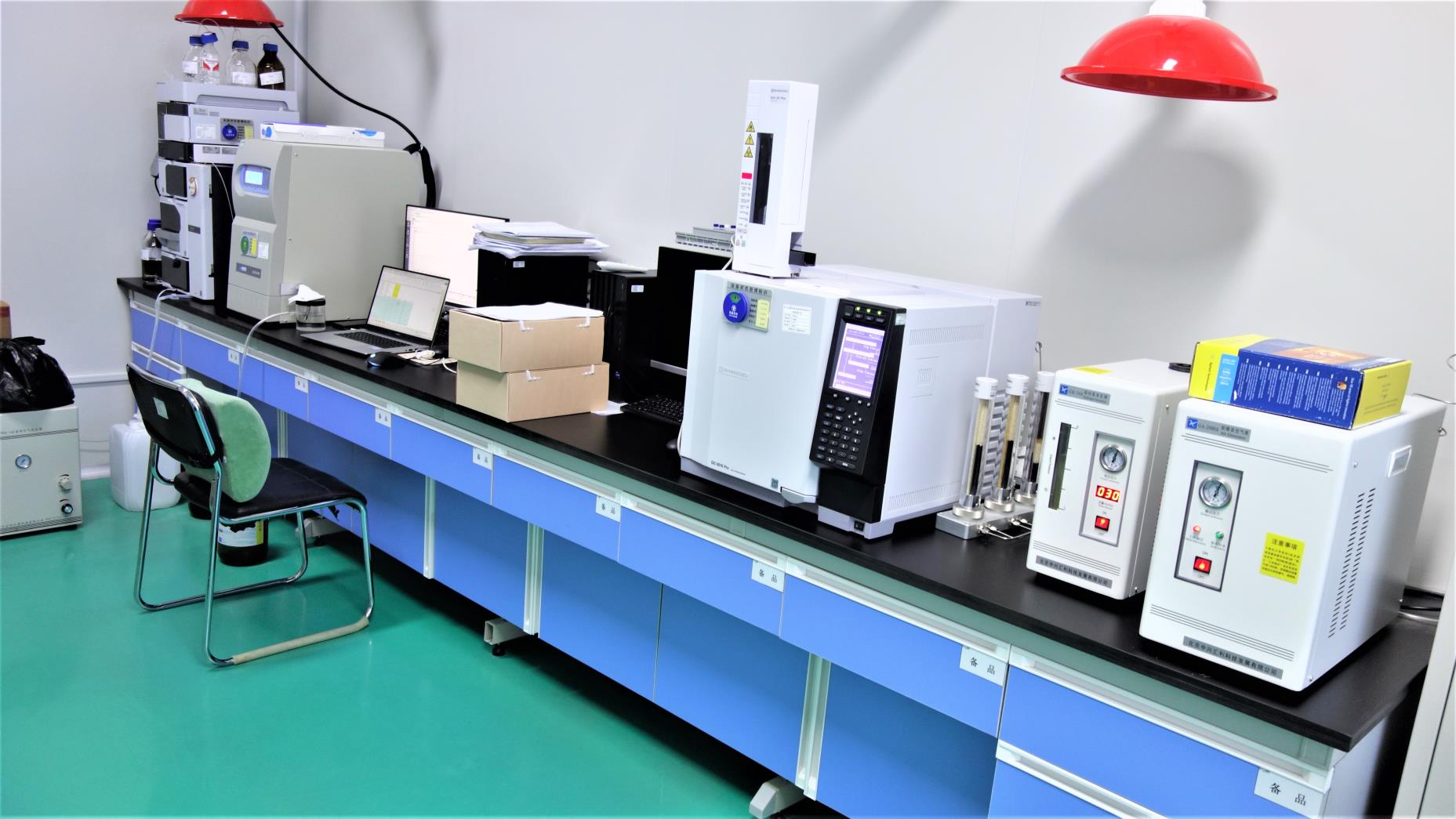

Creating high-performance contact lenses requires a precise equilibrium between water retention and gas permeability. The human cornea has no blood vessels; it absorbs oxygen directly from the surrounding atmosphere. When a contact lens restricts this flow, corneal hypoxia can develop, causing discomfort, redness, and in severe cases, infection. To mitigate this risk, our laboratory employs advanced monomer formulation platforms:
| Material Class | Water Content (%) | Dk/t (at -3.00D) | Recommended Wear Cycle | Target Demographic |
|---|---|---|---|---|
| Standard HEMA (Polymacon) | 38% - 40% | 12 - 15 | 6 Months to 1 Year | Budget-conscious markets, high-impact colors |
| High-Water Hydrogel (Etafilcon A) | 55% - 58% | 25 - 28 | Daily / Monthly | Sensitive eyes, active lifestyles |
| Advanced Silicone Hydrogel | 45% - 48% | 90 - 120 | Daily / Monthly | Premium segment, all-day wearing profiles |
A primary concern with cosmetic lenses is pigment migration. Cheaply manufactured colored lenses print dyes directly onto the inner surface of the lens, putting pigments in direct contact with the delicate corneal epithelium. This can cause chemical irritation or allergic reactions.
Our facility resolves this through Sandwich Color-Lock Technology. The micro-pigment layers are encapsulated between an outer protective layer and an inner base layer of inert, medical-grade polymer. The print design remains suspended in the center, ensuring the eye is completely shielded from direct dye contact. Additionally, we use biocompatible pigments derived from organic elements, maintaining color clarity and high light transmission properties.
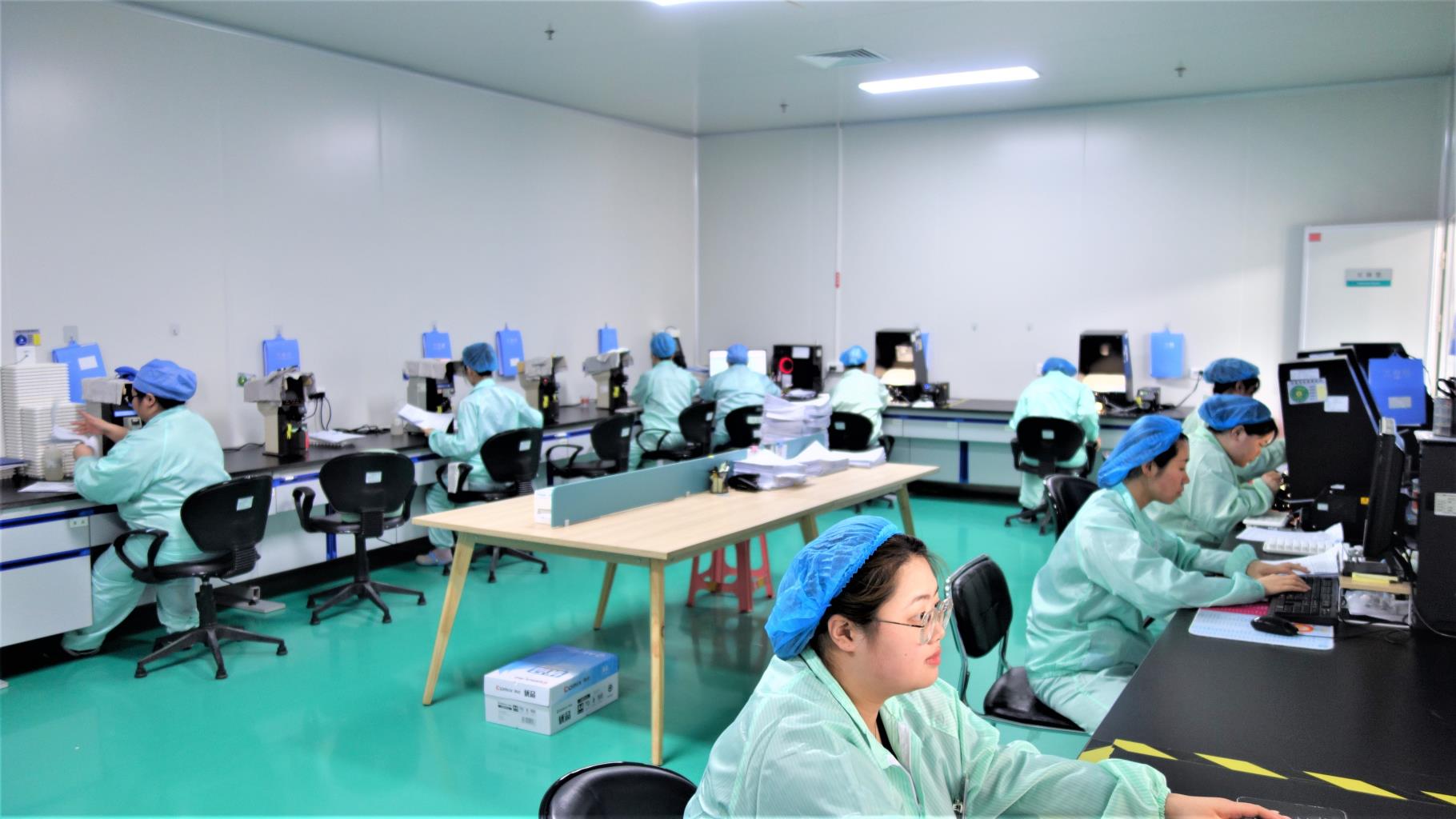
Every production batch undergoes strict inspections, testing for physical curvature accuracy, surface defects, and power accuracy.
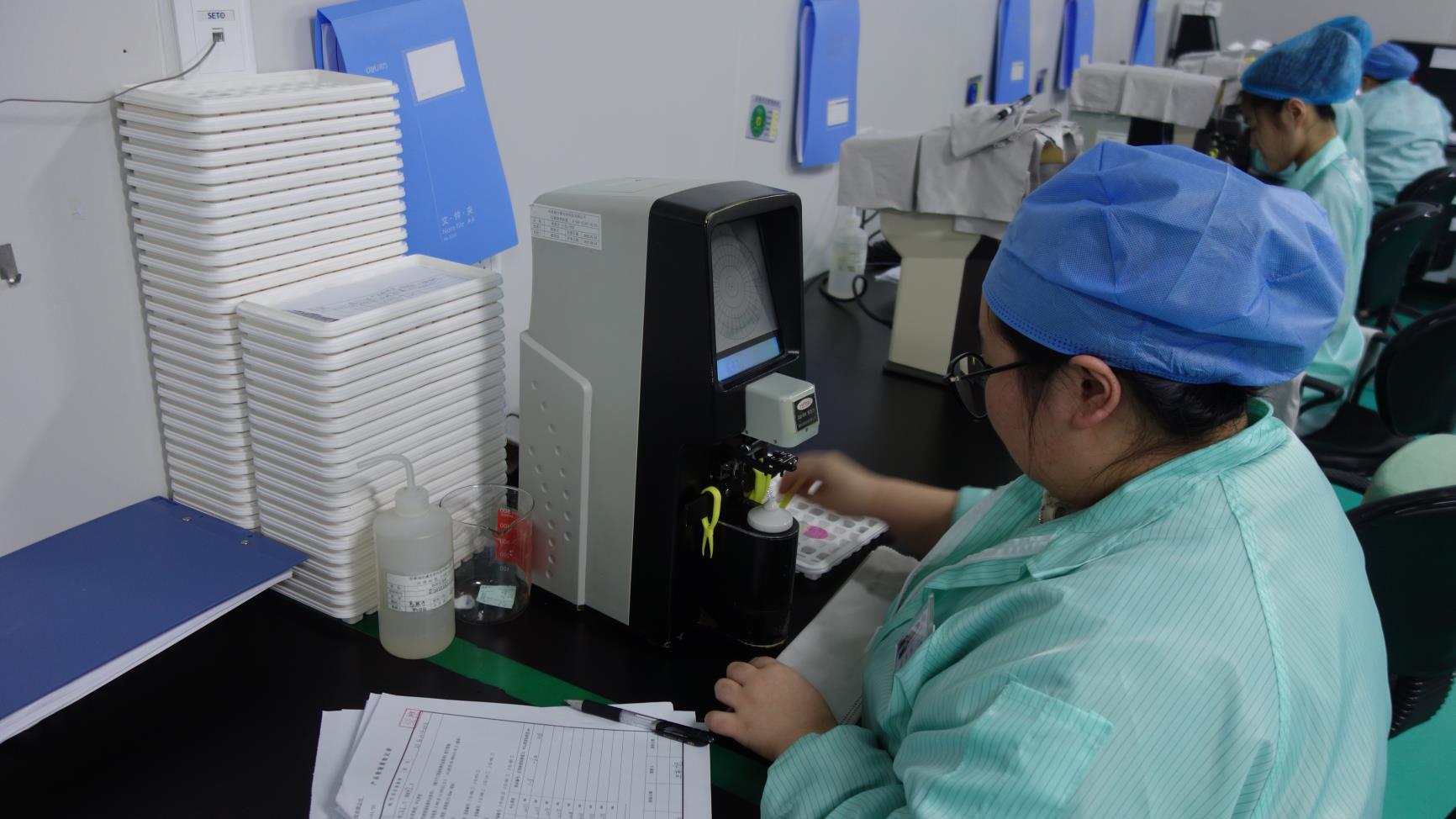
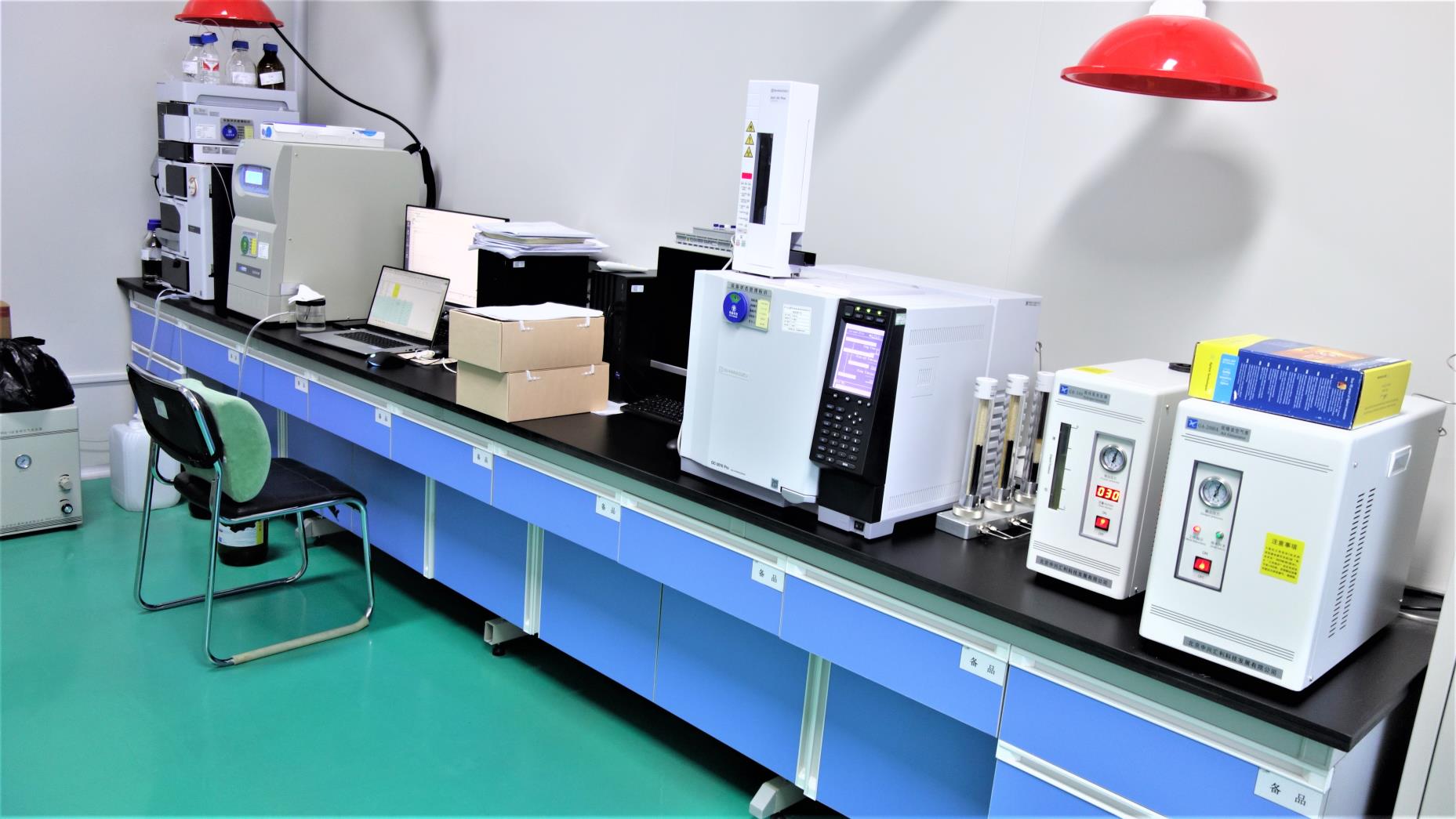
Contact lenses are classified under Category II or Category III medical devices by regulatory bodies worldwide, including the US FDA, EU CE, China NMPA, and Brazil ANVISA. Importing medical devices requires strict compliance. As an experienced exporter, we provide comprehensive, step-by-step regulatory support for our overseas partners.
Every shipment is backed by a full documentation package, including Certificate of Analysis (CoA), ISO 13485 Audit Records, CE Mark Declarations of Conformity, and Free Sale Certificates (FSC) to accelerate clearance at ports of entry. Furthermore, we maintain direct partnerships with leading clinical testing laboratories to assist clients in preparing local registration dossiers for their regional regulatory agencies.
Whether you are launching a startup cosmetic lens collection or managing a mature optical brand, our OEM/ODM design process is structured to scale with your brand:
We are investing in advanced R&D to push the boundaries of comfort and optical clarity. Our key development areas include:
Through these continuous developments in materials and mechanical design, we ensure our partners can consistently offer state-of-the-art contact lenses to their customers.
Answers to the most common questions regarding technical details, minimum order quantities, compliance, and shipping logistics.
Engineered to deliver exceptional visual acuity and high comfort levels, making color contact lenses accessible to diverse target markets.