Eyes Matrix Contacts Lenses
Choosing Colored Prescription Lenses is not simply a matter of matching blue eyes with a favorite outfit. These lenses combine vision correction, cosmetic design, material quality, and eye health. A vivid color may look attractive in a product photo, yet appear different across brown, hazel, or naturally light irises. The result can also change under warm indoor lighting. Small details matter.
Dr. Thomas Steinemann, an ophthalmologist and recognized contact lens safety expert, has warned: “Decorative contact lenses are not cosmetics. They are medical devices.” His statement provides a useful starting point for this guide. Prescription status does not automatically make every lens safe. A professional eye examination should confirm your prescription, corneal shape, tear-film condition, and suitable lens parameters. Comfort is important. Eye health matters more.
This article explains how to compare Colored Prescription Lenses with greater care. It considers color opacity, oxygen permeability, diameter, replacement schedules, and manufacturer reliability. It also discusses how to recognize warning signs, such as persistent redness, pain, blurred vision, or unusual light sensitivity. Remove the lenses immediately if these symptoms appear, and seek professional advice. Do not ignore them.
Some choices remain subjective. A lens that feels natural for one wearer may feel dry for another. Even a careful recommendation cannot predict every real-world experience. That uncertainty deserves attention. The safest decision combines a valid prescription, professional fitting, clear wearing instructions, and a seller with traceable product information. Beauty can be part of the decision, but it should never be the only test.
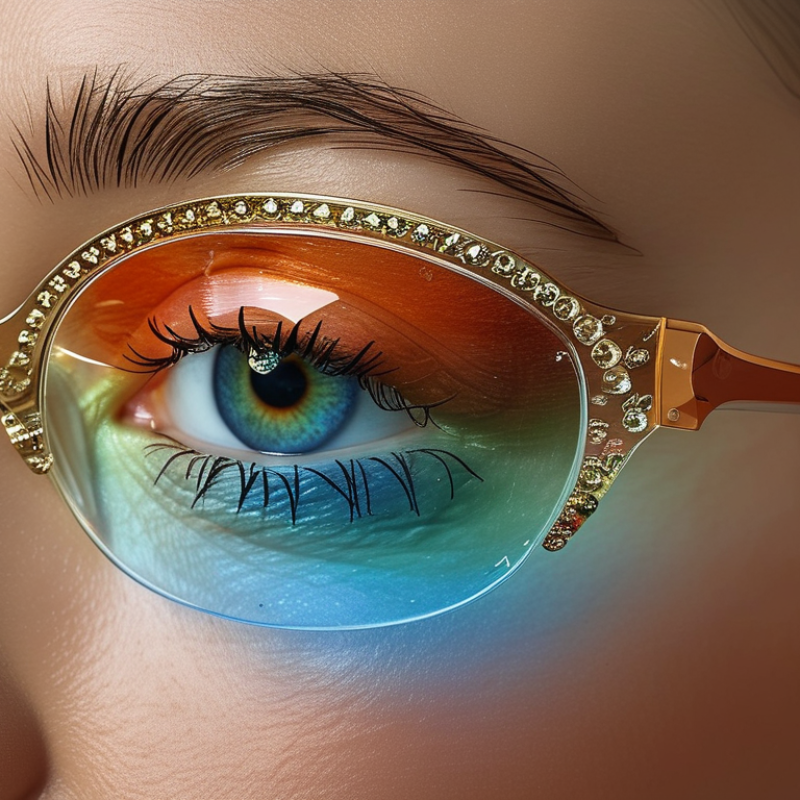
Colored prescription lenses combine vision correction with appearance. Their type matters more than color alone. Visibility-tinted lenses have a faint blue or green shade, making them easier to locate. They do not significantly change eye color. Enhancement tints deepen the natural iris and usually look subtle in daylight. Opaque lenses cover the natural iris and create a stronger change. Their final effect varies with lighting and natural eye color.
Prescription power should be measured by an eye-care professional, even for cosmetic lenses. A prescription confirms correction, while fitting checks diameter, curve, movement, and comfort. Poor movement may cause dryness or blurred vision. A lens can look attractive in a photograph yet feel uncomfortable after two hours. That detail is easy to overlook. Daily disposable lenses may reduce deposit buildup. Planned-replacement lenses require careful cleaning and storage. Never share lenses or use water on them.
Compare shades beside your skin and hair in natural light. Decide whether you prefer a soft change or sharp contrast. Some printed patterns look unnatural near the pupil. A practical lesson is that indoor lighting can alter a color dramatically. No shade suits everyone. Comfort should outweigh novelty. If redness, pain, light sensitivity, or sudden blur appears, remove the lens and seek professional advice promptly. An experienced fitter can also discuss dry eyes, astigmatism, and frequent screen use.
Choosing colored prescription lenses starts with the prescription, not the color chart. A valid prescription should include power and, when needed, astigmatism or multifocal details. In the United States, the FDA classifies decorative contact lenses as medical devices requiring a prescription. Rules differ elsewhere, so use a licensed eye-care professional. Bring your current glasses prescription, but do not assume it transfers directly. Contact lenses sit on the cornea and need separate measurements. That detail is easy to miss.
Your daily vision needs should guide the lens design. Ask whether you drive at night, use screens, play sports, or work in dry air. A lens that looks vivid indoors may reduce contrast outdoors. This matters when pupils change size. The American Academy of Ophthalmology warns that poor-fitting lenses can cause discomfort, infection, and corneal damage. The World Health Organization’s World report on vision estimated at least 2.2 billion people had near or distance vision impairment in 2019. At least 1 billion cases were preventable or unaddressed. Those figures are not a reason to panic. They are a reason to take routine testing seriously.
Before fitting, the clinician should check tear-film quality, corneal shape, eyelids, and signs of inflammation. Mention allergies, previous infections, dry-eye symptoms, and medication use honestly. Stop wearing lenses if pain, marked redness, light sensitivity, or sudden blur appears. Remove them and seek prompt professional advice. Never share lenses or use tap water for cleaning. I admit appearance can influence my choice too much. A subtle tint may feel less dramatic, yet it can preserve comfort and clearer vision. Fit matters more than the selfie.
How to Choose Colored Prescription Lenses?
Choosing a lens color should begin with your daily light, not fashion alone. Gray tints preserve color balance and reduce glare on bright streets. Brown or amber tints can increase perceived contrast during cloudy outdoor activities. Green offers a softer visual impression, but its benefits remain personal. The International Agency for the Prevention of Blindness reports that at least 2.2 billion people live with vision impairment. Accurate prescriptions still matter more than tint. Color cannot correct an unsuitable prescription.
Material changes comfort, thickness, and safety. CR-39 lenses provide clear optics and usually suit moderate prescriptions. Polycarbonate and Trivex materials are lighter and more impact-resistant for active users or children. High-index materials can reduce thickness for stronger prescriptions, though they may show more reflections. The U.S. Food and Drug Administration requires spectacle lenses sold in the United States to meet impact-resistance requirements. Ask your optician which standard applies locally.
Tint darkness needs practical testing. A lens that feels comfortable indoors may become too dark inside a car. Very dark lenses can also reduce visibility in shaded areas. Blue-light filtering deserves caution: a 2023 Cochrane review found little evidence that these filters reduce short-term digital eye strain. I once preferred a warm tint for screen work, but frequent reflections made it distracting. That experience changed my choice. Try the lenses under your actual lighting. Five minutes is not enough.
Choosing colored prescription lenses is less about matching an outfit and more about balancing comfort, protection, and routine use. Your daily setting matters most. Office screens, outdoor glare, dusty streets, and long driving hours create different demands.
During a fitting, I consider prescription strength, lens material, oxygen transmission, and wearing time. An eye-care professional should also check corneal health and tear quality. Prescription accuracy comes first. The World Health Organization reports that up to 20% of cataracts may relate to ultraviolet radiation exposure. Therefore, choose lenses with verified UV protection when outdoor use is frequent. A darker tint does not automatically provide better protection.
I used to assume it did. That assumption is incomplete.
Comfort often changes throughout the day. Colored lenses may feel dry after several hours, especially in air-conditioned rooms. The U.S. Centers for Disease Control and Prevention estimates that about 45 million Americans wear contact lenses. Its contact-lens safety guidance emphasizes handwashing, proper cleaning, and replacing lenses as directed. These habits matter more than color intensity.
The U.S. Food and Drug Administration classifies decorative contact lenses as medical devices requiring prescriptions. Never buy unverified lenses based only on appearance.
For daily wear, test comfort during a realistic schedule, not just ten minutes in a clinic. Eyes can feel fine initially, then become irritated later.
How to Choose Colored Prescription Lenses?
Selecting a reliable provider matters as much as choosing an attractive color. Look for a licensed eye-care professional who checks your prescription, eye health, and lens fit. A trustworthy provider should explain the lens material, replacement schedule, and cleaning method clearly. They should also answer questions about discomfort, dryness, and blurred vision. Avoid sellers who provide vague product details or promise perfect results without an eye examination. Colored lenses still cover the cornea. They are medical devices, not simple fashion accessories.
Tips: Ask for the base curve and diameter. Confirm the prescription matches your current examination. Check the package seal, expiry date, and patient instructions before opening it. Wash and dry your hands before touching the lenses. Use fresh approved lens solution, never tap water or saliva. Keep the storage case clean and replace it regularly. Do not sleep, swim, or shower while wearing the lenses. Remove them immediately if your eyes become painful, red, or unusually sensitive to light.
Care can feel tedious. It is still essential. I once thought a quick rinse was harmless, but that shortcut can expose lenses to contaminants. A reliable provider should welcome follow-up questions and recommend an examination when problems continue. Replace lenses according to the prescribed schedule, even when they look clean. Comfort is not proof of safety. An attractive color cannot compensate for poor fit, unclear sourcing, or careless handling.
Visibility tints have faint blue or green shades. They help you find dropped lenses. They barely change eye color. Enhancement tints deepen natural iris tones. Opaque lenses cover the iris and create stronger changes.
Yes. Contact lenses sit directly on the cornea. Bring your glasses prescription, but do not assume it transfers directly. An eye-care professional must measure power, curve, diameter, and movement.
A poor fit may cause dryness, blurred vision, or irritation. A lens can look attractive in a photo yet feel uncomfortable after two hours. Comfort matters more than novelty.
Compare shades beside your skin and hair in natural daylight. Decide between a soft change and sharp contrast. Some printed patterns look unnatural near the pupil. Indoor light can change the color dramatically.
Consider driving, screen use, sports, dusty streets, and dry air. Test lenses during a realistic schedule. Ten comfortable minutes proves very little. Eyes may feel irritated later.
Follow the recommended replacement schedule. Clean and store reusable lenses carefully. Wash your hands before handling them. Never use tap water. Never share lenses.
Not automatically. Choose lenses with verified ultraviolet protection for frequent outdoor use. A dark tint may only look protective. I used to assume otherwise. That assumption was incomplete.
Remove them if you notice pain, marked redness, light sensitivity, or sudden blur. Seek prompt professional advice. Do not continue wearing them to “see if it improves.” That can be a poor gamble.
Choosing Colored Prescription Lenses involves more than selecting an attractive shade. Start by understanding the available lens types, such as subtle enhancement tints, vivid fashion colors, or natural-looking shades that change the appearance of the eyes. Confirm that the lenses match your current prescription and discuss your vision needs and eye health with a qualified eye-care professional. Proper fitting is essential for clear, comfortable vision and safe daily wear.
When comparing options, consider the color intensity, lens material, UV protection, breathability, durability, and comfort for your intended activities. Daily-use lenses may require different features than lenses worn occasionally or for special events. Choose a reliable, authorized provider that offers accurate prescriptions, clear usage instructions, and appropriate aftercare support. Clean and store the lenses as directed, avoid sharing them, and replace them according to the recommended schedule. If you experience redness, pain, blurred vision, or unusual discomfort, remove the lenses and seek professional advice.
