Eyes Matrix Contacts Lenses Eyes Matrix Contacts Lenses

Why Do You Need Lens Solution for Contact Lenses?

Time:2026-09-24 Author:Madeline
0%

Contact lenses rest directly on the eye, where tiny deposits, bacteria, and cosmetics can collect. A proper lens solution helps clean, disinfect, rinse, and store lenses safely. It is not simply bottled water. It is part of a daily eye-care routine.

The Centers for Disease Control and Prevention estimates that about 45 million Americans wear contact lenses. Its contact-lens safety reports also identify frequent problems, including sleeping in lenses, extending replacement schedules, and poor case hygiene. These behaviors can increase the risk of irritation and serious eye infections. The U.S. Food and Drug Administration advises users to follow the solution label, avoid topping off old solution, and replace the storage case regularly. Small habits matter.

Ophthalmologist Dr. Thomas L. Steinemann has emphasized, “Contact lenses are medical devices, not cosmetics.” That distinction explains why lens solution deserves careful attention. A clean lens case, fresh solution, and washed hands can protect more than comfort. They can protect vision.

Still, no solution can correct every unsafe habit. Some users assume clear lenses are clean lenses. That assumption is dangerous. Product directions may differ, and multipurpose solutions are not interchangeable with saline or homemade mixtures. Readers should confirm recommendations with an eye-care professional, especially after redness, pain, light sensitivity, or blurred vision. The CDC and FDA provide reliable safety guidance, but personal experience should never replace professional examination. (Sources: CDC Contact Lens Safety; FDA Contact Lens Care.)
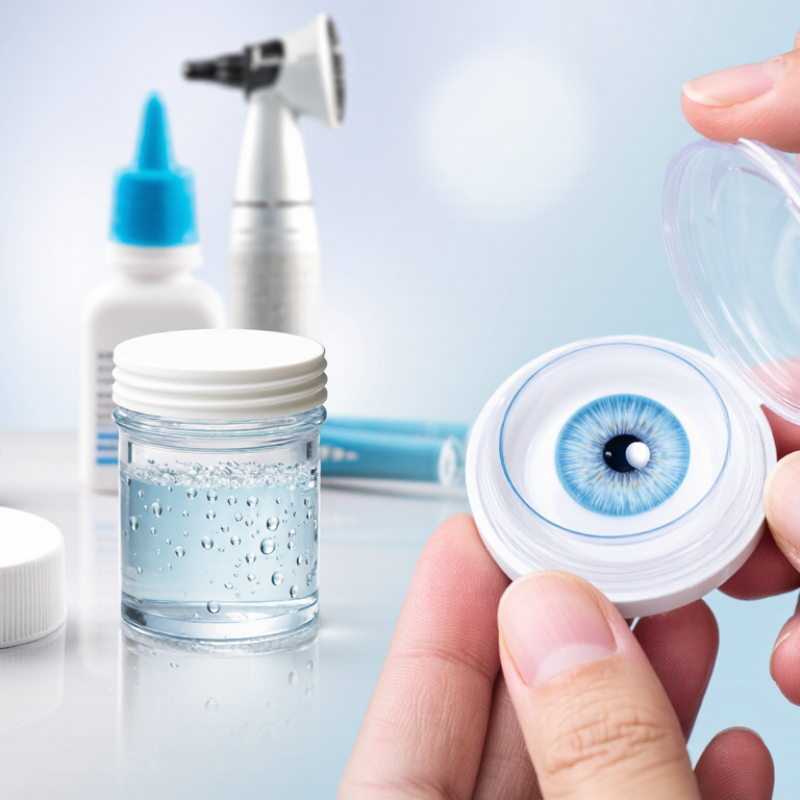
Why Do You Need Lens Solution for Contact Lenses?

What Contact Lens Solution Is and What It Contains

Contact lens solution is a sterile liquid designed to clean, rinse, disinfect, and store contact lenses. It is not simply water in a bottle. Most formulas contain purified water, disinfecting agents, buffering ingredients, and substances that improve comfort. Some also include preservatives or gentle cleaning agents.

The exact contents vary, so reading the label matters. A solution made for soft lenses may not suit rigid gas-permeable lenses. Using tap water is unsafe because it can carry microorganisms that cause serious eye infections. Homemade salt water is not a reliable substitute either. It may look harmless, but it cannot provide controlled sterility or the correct chemical balance. I used to think rinsing was enough; it is not. Disinfection needs the full recommended time.

Tips: Wash and dry your hands before handling lenses. Rub each lens gently if the instructions require it. Use fresh solution every time, and never “top off” old liquid in the case. Empty the case, rinse it with solution, and let it air-dry. Replace the case as directed by an eye-care professional.

Solution can also contain ingredients that reduce deposits from tears, such as proteins and oils. However, no liquid can correct poor hygiene or an unsuitable wearing schedule.

If your eyes become red, painful, unusually sensitive to light, or blurry, remove the lenses and seek professional eye care promptly. Even experienced wearers can overlook a small detail.

How Lens Solution Cleans and Disinfects Contact Lenses

Why Do You Need Lens Solution for Contact Lenses?

Contact lens solution does more than make lenses feel wet. During wear, lenses collect tear proteins, oils, dust, and microorganisms. A suitable solution helps loosen these deposits from the lens surface. Gentle rubbing can improve cleaning when the product instructions recommend it. Rinsing then removes the loosened particles.

Disinfection is a separate step. The solution uses approved antimicrobial ingredients to reduce microorganisms that may cause eye infections. Lenses usually need complete soaking for a stated period. Shortening that time may leave harmful organisms behind. Fresh solution matters. Reusing yesterday’s liquid weakens the cleaning process and increases contamination risk.

Small habits have a large effect. Wash and dry your hands before touching lenses. Never rinse lenses or cases with tap water, saliva, or homemade mixtures. Water can carry organisms that are dangerous to the eyes. Empty the case after each use, let it air-dry, and replace it as directed. Some peroxide-based systems require a special neutralizing case. Using them incorrectly can cause intense stinging. A common mistake is topping off old solution instead of replacing it. It seems harmless, but it is not reliable. Follow the product label and your eye-care professional’s instructions, even when the lenses look clean. Clean-looking lenses may still carry invisible contamination.

Why Do You Need Lens Solution for Contact Lenses? - How Lens Solution Cleans and Disinfects Contact Lenses

Lens-care need How lens solution helps Typical solution or method Important facts User action
Cleaning Loosens and removes tear-film deposits, cosmetics, dust, and other debris from the lens surface. Multipurpose solution used with gentle rubbing and rinsing. Rubbing is important because soaking alone may not remove all deposits. Wash and dry hands, then rub and rinse each lens according to the product instructions.
Disinfection Reduces or destroys many microorganisms that may cause eye infections. Multipurpose disinfecting solution or hydrogen peroxide-based system. The solution must be approved for the specific lens type and used for the full labeled time. Use fresh solution each time; never shorten the required disinfection period.
Hydrogen peroxide neutralization Provides strong disinfection before the peroxide is converted into a lens-safe solution. Hydrogen peroxide system with a special case and neutralizing disc. Neutralization commonly requires at least 6 hours, depending on the product instructions. Never put unneutralized hydrogen peroxide directly into the eyes.
Rinsing Helps wash away loosened particles and residual cleaning solution before insertion. Sterile saline or a compatible multipurpose solution. Saline rinses but does not reliably disinfect contact lenses. Use only sterile, commercially prepared products intended for contact lenses.
Lubrication and comfort Keeps the lens hydrated and may improve comfort during handling and wear. A solution formulated for the lens material or compatible rewetting drops. Not every eye drop or saline product is suitable for contact lenses. Check the label or ask an eye-care professional before using any product with lenses.
Storage Keeps reusable lenses immersed in a disinfecting solution between wearing periods. A clean contact-lens case filled with fresh, compatible solution. Do not “top off” old solution with new solution because this can reduce its effectiveness. Empty the case after use, rinse it with fresh solution, and let it air-dry.
Case hygiene Reduces contamination in the container where lenses are stored. Fresh contact-lens solution; never tap water. Contact with tap water can expose lenses and cases to microorganisms, including Acanthamoeba. Replace the lens case regularly, commonly every 1 to 3 months or as directed.
Safety limitations Proper solution use lowers risk but cannot make unsafe wearing habits safe. A care system prescribed or recommended for the wearer’s lens type. Do not use homemade saline, saliva, or tap water, and do not sleep or swim in lenses unless specifically instructed by an eye-care professional. Remove lenses and seek professional advice if pain, redness, light sensitivity, discharge, or blurred vision occurs.

Why Proper Hydration and Storage Matter for Lens Safety

Why Do You Need Lens Solution for Contact Lenses?

Proper hydration and storage are central to contact lens safety. A lens can look clean while carrying invisible microorganisms, protein, or cosmetic residue. Disinfecting lens solution removes or reduces these contaminants more reliably than water. The U.S. Food and Drug Administration warns against rinsing lenses or cases with tap water. Water may contain organisms linked to serious eye infections. A dry lens can feel like a grain of sand against the eye. It may also increase friction, redness, and discomfort.

The Centers for Disease Control and Prevention reports that roughly 40% to 90% of contact lens wearers do not follow every recommended care practice. That gap matters. Fresh solution keeps lenses hydrated during storage and supports proper disinfection. Never “top off” old solution. Empty the case, rinse it with fresh solution, and let it air-dry. Replace the case at least every three months, as CDC guidance recommends.

I used to think one careless night was harmless. That assumption needs questioning.

Tips: Wash and dry your hands before handling lenses. Use only solution recommended for your lens type. Do not use saliva or homemade mixtures. Follow the replacement schedule, even when lenses still feel comfortable. If your eyes become painful, unusually red, sensitive to light, or blurry, remove the lenses and seek professional eye care promptly. Easy to forget. Still important.

How to Choose the Right Solution for Your Contact Lenses

Choosing contact lens solution should begin with your lens type, not a colorful label. Soft lenses usually need a solution approved for soft lens materials, while rigid gas-permeable lenses require a different care system. Check the manufacturer’s instructions and ask an eye-care professional, especially if your eyes feel dry or irritated. The wrong formula may leave deposits or cause stinging.

Look for your cleaning habits, too. Multipurpose solutions clean, rinse, disinfect, and store lenses in one system. Hydrogen peroxide systems can offer strong disinfection, but they require complete neutralization before insertion. Never place peroxide directly into your eyes.

The U.S. Food and Drug Administration warns against using tap water, saliva, or homemade saline with lenses. Small shortcuts can create serious problems.

The Centers for Disease Control and Prevention reports that 40% to 90% of contact lens wearers fail to follow at least one care instruction. That finding deserves attention. A clear case is not necessarily a clean case. Wash and dry your hands, rub and rinse lenses as directed, and replace the case regularly. Preservative-free options may suit sensitive eyes, but “gentle” does not always mean safer for everyone. I would not choose by price alone; comfort, compatibility, and consistent use matter more. Even professional advice needs revisiting when prescriptions, allergies, or wearing schedules change.

Safe Practices for Using and Replacing Lens Solution

Why Do You Need Lens Solution for Contact Lenses?

Safe Practices for Using and Replacing Lens Solution

Contact lenses rest directly on the eye, so their surfaces must stay clean and moist. Lens solution helps remove deposits, rinse particles, and disinfect lenses between wears. Water is not a safe substitute. It can carry microorganisms that may cause serious eye infections. In my experience, rushed cleaning is the easiest habit to underestimate. A quick rinse may look sufficient, but residue can remain.

Wash and dry your hands before touching lenses or solution. Use the recommended disinfecting solution, and follow its label exactly. Rub each lens gently when the instructions require it. Fill the case with fresh solution every time. Never top up old liquid. Empty the case, rinse it with solution, and let it air-dry upside down. Avoid touching the bottle tip to your fingers, lenses, or case. Small contact can contaminate it.

Replace the case according to advice from an eye-care professional. Discard solution after its labeled period, even if some remains. Do not reuse solution from a previous soaking cycle. If lenses feel painful, vision becomes blurry, or redness persists, remove them promptly. Seek professional eye care instead of trying stronger chemicals or homemade mixtures. I sometimes forget one step while traveling. That weakness is worth admitting. Consistent habits protect the eyes better than confidence does.

Contact lens solution disinfects, rinses, and stores reusable lenses; water and saliva are not safe substitutes. The intervals below show common replacement schedules: daily lenses are discarded after one day, two-week lenses after 14 days, monthly lenses after about 30 days, opened multipurpose solution is commonly discarded after 90 days or according to its label, and lens cases should generally be replaced every three months. Always follow the instructions from your eye-care professional and the product label.

Sources: CDC Contact Lenses and FDA Contact Lens Care.

FAQS

What is contact lens solution used for?

It cleans, rinses, disinfects, and stores contact lenses. Not just water. It also helps remove tear proteins, oils, dust, and microorganisms.

Can I use tap water to rinse my lenses?

No. Tap water can carry microorganisms that may cause serious eye infections. Use the recommended sterile solution instead. Saliva and homemade salt water are unsafe substitutes.

How should I prepare before handling lenses?

Wash and dry your hands thoroughly before touching lenses or the case. Wet hands can transfer residue and microorganisms. Dry hands matter.

Should I rub my contact lenses?

Rub each lens gently when the product instructions recommend it. This can loosen deposits from the lens surface. Rinse afterward with fresh solution.

Can I reuse solution from yesterday?

No. Discard used solution after each soaking cycle. Never top off old liquid with new solution. It seems harmless, but contamination can remain.

How should I care for my lens case?

Empty the case after every use. Rinse it with contact lens solution, then let it air-dry upside down. Replace the case as directed by an eye-care professional.

What should I know about different lens solutions?

Solution contents vary, so read the label carefully. A formula for soft lenses may not suit rigid gas-permeable lenses. Some peroxide-based systems need a special neutralizing case. Do not guess.

What should I do if my eyes feel painful or look red?

Remove the lenses promptly if you have pain, persistent redness, blurry vision, or unusual light sensitivity. Seek professional eye care. Do not try stronger chemicals or homemade mixtures. I sometimes overlook one step while traveling. Consistency still matters.

Conclusion

Lens solution is an essential part of safe and comfortable contact lens care. It is specially formulated to clean away deposits, rinse off particles, and disinfect lenses by reducing harmful microorganisms. Many solutions also help maintain moisture, which is important because properly hydrated lenses are less likely to become dry, uncomfortable, or difficult to wear. Correct storage in fresh solution also helps preserve lens quality between uses and supports healthier contact lens habits.

Choosing the right lens solution depends on the lens material, wearing schedule, and individual eye sensitivity. Users should follow the instructions provided by an eye care professional and avoid mixing different solutions unless advised. Always wash and dry your hands before handling lenses, use fresh solution each time, never top off old solution, and keep the container closed when not in use. Replacing the solution and storage case regularly can further reduce contamination risks and promote reliable lens safety.

Madeline

Madeline

Madeline is a dedicated marketing professional with a wealth of expertise in our company's core offerings. With a keen understanding of the industry, she brings a unique perspective to her role, consistently delivering high-quality content that highlights the superior aspects of our products. As......