Eyes Matrix Contacts Lenses Eyes Matrix Contacts Lenses

Why Choose Photochromic Lenses for Eyewear?

Time:2026-10-19 Author:Liam
0%

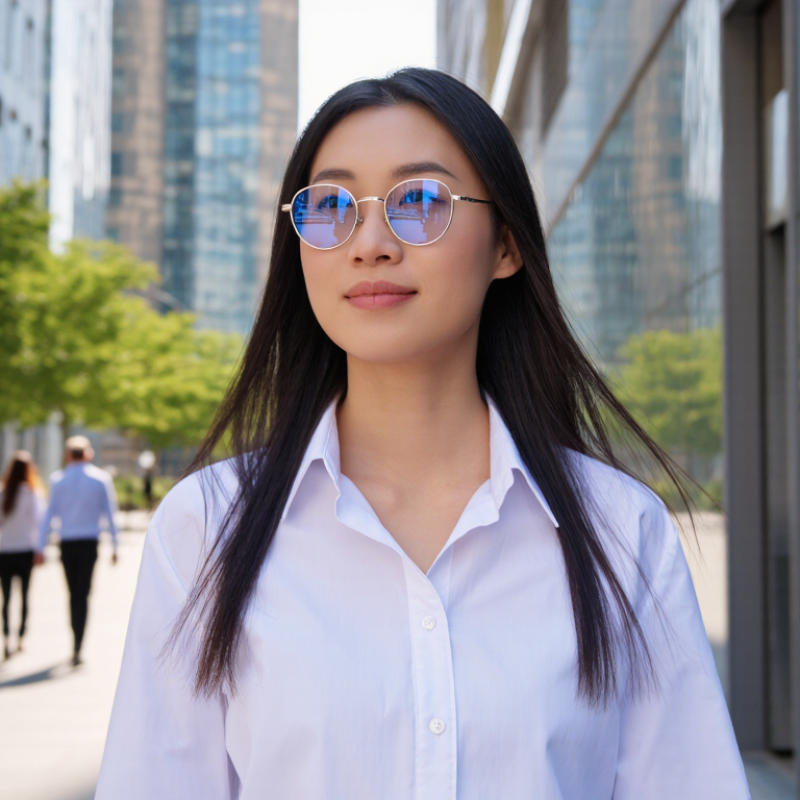
Choosing Photochromic Lenses is less about following a trend and more about managing changing light throughout the day. These lenses remain clear or lightly tinted indoors, then darken when ultraviolet light reaches them outdoors. A commuter can leave a dim office, walk past bright glass buildings, and reach a sunny street without changing glasses. That convenience feels small until it happens repeatedly.

“Photochromic lenses darken automatically when exposed to ultraviolet light,” explains optometrist and vision writer Dr. Gary Heiting. His observation captures the basic technology clearly, but real-world performance needs closer attention. Most Photochromic Lenses respond quickly in outdoor sunlight, though temperature, lens material, and UV exposure can affect the final tint. Behind many vehicle windshields, they may not darken fully because the glass blocks much ultraviolet radiation. That detail is easy to miss.

The practical benefit is reduced handling. Fewer lens changes can mean fewer scratches, misplaced sunglasses, and interruptions during travel. They can also support more comfortable vision when brightness shifts between shade and open pavement. Still, no lens is perfect. Some users may prefer polarized sunglasses for intense glare near water, snow, or a busy road. Photochromic lenses are not automatically polarized.

The honest choice depends on lifestyle, prescription needs, and light sensitivity. A child moving between classroom windows and a playground has different needs from a driver. An eye-care professional can check fit, UV protection, and coating durability. Small details matter. One limitation remains worth remembering: convenience should never replace a proper eye examination.
Why Choose Photochromic Lenses for Eyewear?

What Are Photochromic Lenses?

Photochromic lenses are eyeglass lenses that change darkness when exposed to ultraviolet light. They are often called light-adaptive lenses. Inside the lens material, special molecules react to UV exposure. Outdoors, the lenses gradually become darker. Indoors, they return toward a clearer appearance.

The change is automatic, so users do not need to switch between regular glasses and sunglasses. This can make daily travel, walking, and commuting more convenient. However, the lenses are not magic. Many car windshields block much of the UV light needed to activate them. Cold weather may also affect how quickly they darken or clear. In professional eyewear fittings, it is important to discuss prescription strength, outdoor habits, and driving needs. A common mistake is expecting one lens to perform perfectly in every situation.

Tips: Let the lenses change naturally instead of covering them during activation. Clean them with lens-safe solution and a soft cloth. Ask an optical professional whether they suit your prescription and routine. If you spend long hours driving, consider whether separate sunglasses may work better. Results can vary slightly. That detail deserves attention.

How Photochromic Lenses Respond to Changing Light

Photochromic lenses respond to changing light through light-sensitive molecules embedded in the lens material. In outdoor ultraviolet radiation, these molecules change structure and darken the lens. Indoors, they gradually return to a clearer state. The process feels automatic, but it is not instant. Temperature, UV intensity, and surrounding glass can affect the speed and depth of the change.

This response offers practical comfort during daily transitions. A wearer can move from a bright sidewalk into a shaded café without changing glasses. WHO reports that up to 20% of cataract cases may be attributable to ultraviolet exposure. Photochromic lenses can reduce bright-light discomfort, while proper UV protection remains essential. ISO 8980-3:2022 evaluates spectacle-lens performance, including luminous transmittance and photochromic behavior. However, lenses may darken less inside vehicles because windshields filter much UV radiation. That limitation is easy to overlook.

Tips: Test the lenses in real situations, not only in a showroom. Ask an optical professional about driving, screen use, and prescription needs. Cold weather may slow the return to clarity. Darker does not always mean better. Some users may still prefer separate sunglasses for intense sunlight. I find this important: convenience can encourage regular wear, but expectations must stay realistic. The technology responds to light; it does not replace a complete eye-care assessment.

Why Choose Photochromic Lenses for Eyewear?

How Photochromic Lenses Respond to Changing Light

Photochromic lenses remain relatively clear indoors and darken when exposed to ultraviolet radiation, especially outdoors in direct sunlight. The response is gradual rather than instantaneous, and the final lens darkness depends on UV intensity, temperature, lens material, and whether the wearer is inside a vehicle. The values shown are a normalized, brand-neutral response index for comparison, not product specifications.

Key Benefits of Photochromic Lenses for Eyewear

Why Choose Photochromic Lenses for Eyewear?

Key Benefits of Photochromic Lenses for Eyewear

Photochromic lenses adjust their tint when exposed to ultraviolet radiation. Indoors, they remain relatively clear. Outdoors, they darken like a soft moving shade across the eyes. This convenient transition reduces the need to change between regular glasses and sunglasses. The World Health Organization estimates that ultraviolet radiation may contribute to up to 20% of cataract cases. Therefore, daily UV protection deserves more attention than occasional sunglasses use.

Many photochromic lenses provide 100% UVA and UVB protection when tested against applicable optical standards. Their changing tint can also reduce brightness during commuting, walking, or outdoor work. The Vision Council’s Consumer Insights reports consistently show that visual comfort and sun protection influence eyewear purchasing decisions. Photochromic lenses address both needs with one pair. They can also support clearer vision when light changes quickly.

But they are not perfect. Activation may be weaker inside vehicles because windshields filter much of the UV light. Cold temperatures can slow the darkening process, too. Some users may still prefer polarized sunglasses near water or snow. This limitation matters. Lens performance also varies by material, tint level, temperature, and product testing standards. An eye-care professional should verify UV coverage, prescription accuracy, and suitable coatings before fitting. Evidence supports their practical value, but personal use conditions still decide whether they feel truly effective.

Limitations and Factors Affecting Lens Performance

Why Choose Photochromic Lenses for Eyewear?

Photochromic lenses darken when exposed to ultraviolet light, offering convenient protection during changing conditions. They work well for walking, commuting, and casual outdoor use.

However, their performance depends on more than sunlight alone. Temperature, UV intensity, lens material, and coating quality can affect the final tint. In cold weather, lenses may become darker and take longer to clear. On hot days, they may not reach the same darkness. They are not perfect.

Car windshields can block much of the ultraviolet light needed to activate the lenses. Therefore, drivers may find them less effective inside a vehicle.

The transition also takes time, especially when moving from bright streets into a dim room. Some wearers expect instant results, which is an understandable mistake.

Prescription strength, frame coverage, and personal light sensitivity can further influence comfort. An eye-care professional should check these factors before recommending a specific lens design.

Tips:

Test the lenses outdoors and indoors before buying. Ask how quickly they activate and fade. Check their performance in your usual climate. Clean them with lens-safe materials, since scratches and residue can reduce visual clarity. Keep realistic expectations. Photochromic lenses improve convenience, but they may not replace dedicated sunglasses during intense glare, driving, or extended outdoor activities. Reconsidering your daily routine can lead to a better choice than focusing only on appearance.

Who Can Benefit Most from Photochromic Lenses?

Photochromic lenses can help people who move between indoor and outdoor spaces throughout the day. Commuters, teachers, delivery workers, and students often face changing light within minutes. The lenses darken outdoors and become clearer indoors, reducing the need to switch glasses.

They can also benefit people with light sensitivity or active lifestyles. Outdoor walkers may appreciate less squinting on bright pavements. Parents may find them practical for children who frequently misplace sunglasses. However, they are not perfect. Most car windshields block much of the ultraviolet light needed to activate the lenses. Drivers may still need prescription sunglasses for strong daylight. Darkening speed can also vary with temperature, lens material, and lighting conditions. An optometrist can assess prescription needs, eye health, and daily habits before recommending them.

Tips: Test the lenses during your normal routine, not only in a showroom. Ask whether they provide full UVA and UVB protection. Check how quickly they clear after entering a warm room. If you drive often, discuss separate sunglasses. Some users expect instant changes, but real lenses need time. That small delay can be surprising.

Why Choose Photochromic Lenses for Eyewear? - Who Can Benefit Most from Photochromic Lenses?

User Profile or Situation Typical Visual Need How Photochromic Lenses Help Important Consideration Suitability
People who move frequently between indoors and outdoors One pair of eyewear for changing light conditions The lenses remain relatively clear indoors and darken when exposed to ultraviolet light outdoors, reducing the need to switch glasses. Darkening and fading speed varies with temperature, UV intensity, lens material, and product design. High
Office workers and students Clear vision indoors with occasional outdoor exposure They can provide indoor prescription correction while automatically adding outdoor light adaptation during commutes, breaks, and travel between buildings. They may not become as dark as dedicated sunglasses, particularly behind some vehicle windshields. High
Commuters and pedestrians Protection from glare and brightness during outdoor travel Outdoor darkening can improve comfort in bright daylight and reduce frequent changes between clear glasses and sunglasses. For driving, confirm that the selected lens activates adequately inside the vehicle, because windshields commonly block much of the UV radiation that triggers darkening. Moderate to High
Outdoor workers and frequent travelers Repeated exposure to changing daylight conditions Automatic tint adjustment can help reduce brightness without carrying a separate pair of prescription sunglasses. Dedicated sunglasses may provide a darker, more consistent tint for prolonged intense sunlight or specialized work environments. Moderate to High
People sensitive to bright light Reduced discomfort caused by glare and high brightness The tint can lower the amount of visible light reaching the eyes outdoors, which may improve comfort for some users. Light sensitivity can have medical causes; persistent or severe symptoms should be assessed by an eye-care professional. Moderate to High
Children and teenagers Convenient everyday eye protection during outdoor activities Automatic activation may make it easier to maintain outdoor light protection without relying on the user to carry or change glasses. Fit, impact resistance, regular eye examinations, and proper UV protection remain essential; photochromic lenses do not replace protective eyewear for sports or hazardous work. Moderate to High
People seeking a minimal eyewear routine Convenience and fewer accessories One prescription pair can cover many ordinary indoor and outdoor situations, reducing the need to store and carry multiple pairs. A separate pair may still be useful for driving, very bright environments, water activities, or situations requiring a fixed dark tint. High
Feature Factual Information Practical Meaning for the Wearer
Activation trigger Most photochromic lenses darken in response to ultraviolet radiation; some designs also respond to visible light. They adapt automatically outdoors, but performance can differ inside vehicles or near windows depending on the lens design.
UV protection Many photochromic lenses are designed to provide protection from ultraviolet radiation when worn, but the exact protection level should be confirmed in the lens specifications. UV protection is an important benefit, but users should verify the stated protection rather than assume every lens has identical performance.
Darkening speed Lenses generally darken outdoors and fade indoors, but the transition is not instantaneous. Wearers should allow time for the tint to change when moving between lighting environments.
Temperature effect Temperature can influence photochromic performance; many lenses tend to become darker in cooler conditions and lighter in warmer conditions under similar UV exposure. The perceived tint may vary between cold winter days and hot summer conditions.
Polarization Photochromic and polarized are different lens features. A photochromic lens does not automatically provide polarization. People who need strong reflected-glare control from roads, water, or snow should specifically consider a polarized option.
Best overall use case Everyday prescription eyewear used across variable indoor and outdoor environments. They are most valuable for convenience, adaptable light control, and reducing the need to switch between ordinary glasses and sunglasses.

FAQS

How do photochromic lenses work?

They darken when exposed to ultraviolet light. Indoors, they usually remain relatively clear. The change feels like a soft shade moving across your eyes.

Do photochromic lenses protect against ultraviolet radiation?

Many models provide full UVA and UVB protection under applicable optical standards. Check the product documentation before buying. Protection levels can vary.

Who may benefit most from these lenses?

Commuters, teachers, students, and outdoor walkers may find them useful. They help when moving between a bright pavement and an indoor room.

Can photochromic lenses replace sunglasses?

Not always. They may not become dark enough for intense glare, driving, water, or snow. Dedicated sunglasses can still be the better choice.

Why do these lenses work less effectively inside cars?

Vehicle windshields often block much of the ultraviolet light needed for activation. Drivers may see only limited darkening. That can be disappointing.

How does temperature affect their performance?

Cold weather can slow darkening and clearing. Hot conditions may prevent the lenses from reaching their deepest tint. Results are not perfectly predictable.

How quickly do photochromic lenses change?

They need time to darken outdoors and clear indoors. The speed depends on temperature, ultraviolet intensity, lens material, and coatings. Instant changes are unrealistic.

What should I check before purchasing them?

Test them outdoors and indoors during your normal routine. Ask about UVA and UVB coverage, activation speed, and clearing time. An eye-care professional should check prescription accuracy and fit.

Conclusion

Photochromic Lenses are optical lenses that automatically adjust their tint in response to changing light conditions. They remain relatively clear indoors or in low light and darken when exposed to ultraviolet radiation outdoors, helping provide more comfortable vision throughout the day. This adaptive feature can reduce the need to switch between regular eyeglasses and sunglasses, while also helping limit glare and support protection from UV exposure when the lenses are properly designed for it.

The performance of Photochromic Lenses can vary according to temperature, UV intensity, vehicle windows, lens material, and the surrounding environment. They may darken more slowly in cold conditions or remain less tinted inside some vehicles. Despite these limitations, they can be especially useful for people who frequently move between indoor and outdoor spaces, participate in everyday outdoor activities, or prefer a convenient all-purpose eyewear solution. Their suitability ultimately depends on individual vision needs, lifestyle, and expectations.

Liam

Liam

Liam is a dedicated marketing professional with a profound expertise in the industry, where he excels at highlighting the unique advantages of our core products. With a keen understanding of market trends and consumer needs, Liam frequently updates our company’s professional blog, providing......