Eyes Matrix Contacts Lenses
The 2026 market for Eye Care Products is becoming more practical, evidence-focused, and demanding. Global buyers now compare safety, clinical support, comfort, packaging, and supply reliability. They are not choosing products from attractive claims alone. A cooling eye mask, preservative-free artificial tears, blue-light glasses, or a heated compress must solve a clear user problem. It must also suit local regulations and everyday habits.
Dr. Lyndon Jones, a leading contact-lens researcher and former president of the International Society for Contact Lens Research, has emphasized: “Contact lenses are medical devices, not fashion accessories.” His warning applies broadly to Eye Care Products. Product design should respect ocular health, not follow short-lived trends. Buyers should examine ingredient lists, clinical evidence, manufacturing standards, and post-market feedback. Small details matter. A badly sealed bottle can undermine consumer trust. An unclear instruction can create avoidable misuse.
This guide reviews promising Eye Care Products for global buyers in 2026. It considers performance, user experience, sourcing transparency, and responsible claims. Some products may perform well in controlled testing but disappoint in dry climates, crowded cities, or long screen-based workdays. That difference deserves attention. No product suits every eye. Even strong recommendations need reflection, updated evidence, and professional guidance when symptoms persist. The market still has gaps, especially in affordable care and accessible instructions. That is worth acknowledging. Reliable purchasing begins with curiosity, caution, and a willingness to question convenient promises.
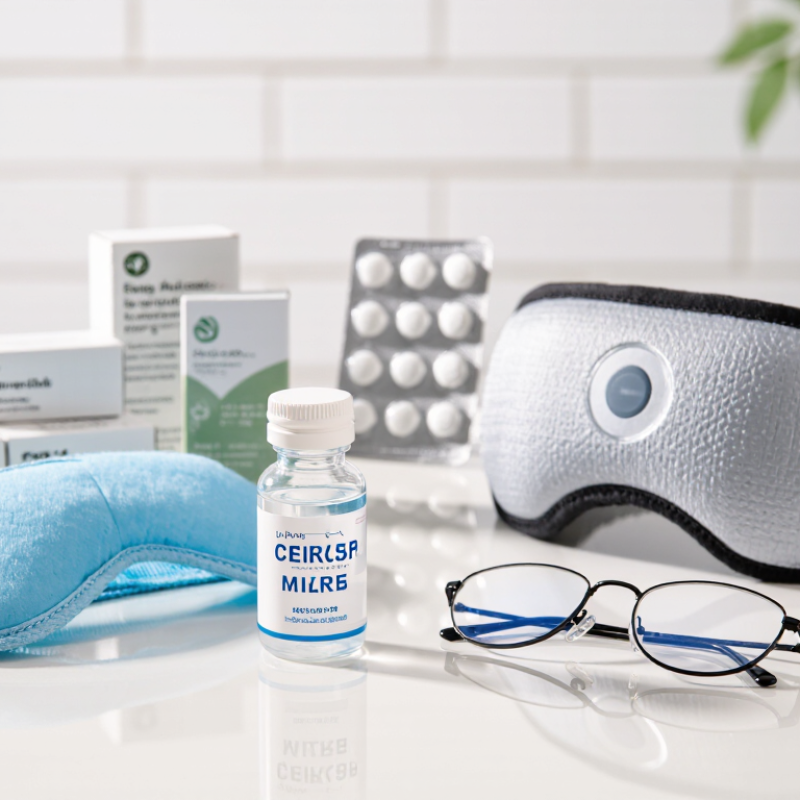
Eye care products are tools designed to protect, clean, lubricate, or support the eyes and surrounding skin. In 2026, this category includes preservative-free artificial tears, warm compress masks, eyelid cleansers, protective eyewear, and evidence-based supplements. They are not interchangeable. A dry, gritty feeling after eight hours of screen use may need lubrication, while crusting along the lashes may require professional assessment. Small differences matter.
Their importance is practical. Longer screen exposure, indoor heating, air pollution, and contact lens use can disturb the tear film. A suitable product may reduce discomfort and support daily routines. It cannot replace diagnosis. No product fixes every complaint. Buyers should check ingredients, expiry dates, storage instructions, package seals, and local regulatory requirements. Products for sensitive eyes should clearly explain preservatives and usage limits. Evidence matters more than dramatic promises, especially for blue-light filters and supplements.
For global buyers, reliable sourcing is part of eye safety. Choose suppliers offering traceable batches, transparent testing, multilingual instructions, and responsive complaint handling. Eye-care professionals can explain when self-care is reasonable. Redness, pain, light sensitivity, or blurred vision needs prompt attention. Convenience still influences decisions, perhaps too much. A compact compress is easier to use, but ease does not prove effectiveness. The market is improving, yet product claims remain uneven. Careful comparison is still necessary.
Eye care products should be classified by user need, not appearance or price. The World Health Organization’s World Report on Vision estimates that at least 2.2 billion people have near or distance vision impairment. At least 1 billion cases could have been prevented or remain unaddressed. This figure shows why global buyers need clear product categories.
Refractive correction products support myopia, hyperopia, astigmatism, or presbyopia. They include prescription lenses, reading aids, and related accessories. Dry-eye products focus on lubrication and ocular-surface comfort. The TFOS DEWS II report identifies tear-film dysfunction as a major part of dry-eye disease. Buyers should check ingredients, usage instructions, and professional guidance. Comfort alone does not prove clinical suitability.
Protective products serve different functions. Safety eyewear reduces exposure to dust, particles, ultraviolet radiation, or workplace hazards. Hygiene products support lens handling and eyelid care. Diagnostic tools help professionals assess vision or eye-surface conditions. These tools require proper training and calibration.
Product classification is not perfect. A single item may support comfort, protection, and routine care. However, unclear labeling can encourage unsuitable purchases. Global buyers should review regulatory status, testing evidence, user instructions, and post-market safety information. Market reports can show demand, but they cannot replace clinical judgment. Data can mislead.
2026 Top Eye Care Products for Global Buyers
Which ingredients and technologies define top eye care products? The answer is not a single “best” formula. WHO’s World Report on Vision estimates that at least 2.2 billion people live with vision impairment worldwide. Nearly half of these cases could have been prevented or remain addressable. This scale increases demand for safe, accessible eye care products.
For dry-eye support, buyers should examine hyaluronic acid, glycerin, osmoprotectants, and lipid-based ingredients. TFOS DEWS II reports that dry eye involves tear-film instability, inflammation, and ocular-surface damage. Therefore, products addressing only temporary moisture may provide limited value. Preservative-free packaging can also matter for frequent users, but suitability depends on local regulation and clinical advice. No ingredient works for every eye. That distinction is easy to miss.
Tips: Check concentration, container design, sterility claims, and usage instructions. Meibography, tear-film measurement, and image-based screening can improve product selection. However, digital tools support assessment; they do not replace qualified eye-care professionals. I would also question impressive “AI-powered” claims without published validation. Global buyers should request stability data, clinical evidence, manufacturing controls, and transparent adverse-event procedures. The strongest products combine practical comfort with measurable performance, yet some evidence remains limited across different climates, ages, and ethnic populations.
The chart presents an evidence-informed formulation relevance index from 0 to 100, based on established roles in ocular surface hydration, tear-film support, comfort, preservation, and delivery technology. It is a comparative product-development reference, not market-share data.
Global buyers should compare evidence, not polished packaging. The WHO World report on vision estimates that at least 2.2 billion people live with near or distance vision impairment. That scale makes quality control a public-health concern. Check the product’s intended use, material specifications, shelf life, and traceable batch number. For sterile drops or devices, ask for sterility testing, contaminant controls, and stability data under realistic shipping temperatures.
Safety evidence must match the product category. The CDC reports that about 45 million people in the United States wear contact lenses. Its eye-health guidance links poor handling and cleaning practices with serious infections. Buyers should review instructions, user warnings, complaint records, and post-market surveillance results. For reusable products, test cleaning compatibility and repeated-use durability. A neat certificate is not enough.
Compliance depends on the destination market. Request the applicable conformity documents, risk assessment, clinical or performance evidence, and quality-system records. ISO 13485 is widely used for medical-device quality management, but certification alone does not prove every product is safe. Verify the certificate’s scope and issuing body. I would also compare independent laboratory reports, not only supplier documents. That takes longer, and some records may remain incomplete. This is where careful buyers should pause, document uncertainty, and seek qualified regulatory advice before placing a large order.
2026 Top Eye Care Products for Global Buyers
How to Select Reliable Suppliers for International Eye Care Purchases
Global buyers should evaluate suppliers before comparing prices. The World Health Organization’s World Report on Vision estimates that at least 2.2 billion people have vision impairment worldwide. It also notes that nearly half of these cases could have been prevented or remain unaddressed. This demand requires careful sourcing, not rushed purchasing.
Ask suppliers for manufacturing licenses, quality certificates, batch records, and product-specific test reports. For sterile drops or lens-care products, request evidence of microbial testing, packaging integrity, and shelf-life validation. ISO 13485 is a useful quality benchmark for medical-device suppliers, but certification alone is not enough. Check the certificate’s scope, expiry date, and issuing body. Confirm whether it covers the exact product category.
Inspect the factory when possible. Review complaint handling, recall procedures, temperature controls, and shipment records. The WHO’s 2023 Global Report on Traditional, Complementary and Integrative Medicine also highlights the importance of reliable product information and quality oversight across health markets. That principle applies here. A polished document can still hide weak daily controls. No audit is perfect. Buyers should test samples from several production lots and compare labeling across markets. I would also verify local registration rules, language requirements, and post-market reporting duties before signing a contract. Cheap products often become expensive after customs delays, damaged packaging, or inconsistent batches. Reliability must be visible in records, samples, and communication.
| Product Category | Typical Use | Key Product Specifications | Recommended Quality and Safety Evidence | Important International Purchasing Checks | Storage and Logistics Considerations | Supplier Risk Priority |
|---|---|---|---|---|---|---|
| Preservative-Free Artificial Tears | Temporary relief of dry-eye symptoms caused by environmental exposure, screen use, contact lens wear, or reduced tear production. | Single-use or multidose container; lubricating ingredients may include carboxymethylcellulose, hypromellose, polyethylene glycol, propylene glycol, or hyaluronic acid. Confirm viscosity, fill volume, pH, osmolality, and preservative status. | Finished-product specifications, sterility or microbiological-control records, stability data, container-closure integrity information, and documented compatibility between the formulation and packaging. | Confirm whether the product is regulated as a medicine, medical device, or cosmetic in the destination market. Check permitted ingredients, labeling language, dosage instructions, and expiry-date rules. | Most products are stored at controlled room temperature unless the label states otherwise. Protect from excessive heat, freezing, direct sunlight, and rough handling. Verify transport conditions through stability data. | High |
| Lubricating Eye Drops with Preservatives | Short-term relief of mild eye dryness for users who do not require frequent application. | Multidose bottle with a declared preservative system. Review active ingredients, preservative concentration, drop size, bottle design, and recommended maximum daily use. | Batch test results, preservative-effectiveness data where applicable, stability studies, microbial limits, and documented manufacturing controls. | Verify restrictions on preservatives and claims in each target country. Confirm that the product does not make unsupported claims such as treating infection, glaucoma, or severe eye disease. | Use leak-resistant secondary packaging. Check remaining shelf life at delivery and define minimum acceptable shelf life in the purchase agreement. | High |
| Sterile Saline Eye Rinse | Rinsing or flushing the eye when indicated by the product instructions, including removal of loose particles or irritants. | Common isotonic saline formulations contain approximately 0.9% sodium chloride, although concentrations and intended uses may vary. Available as single-use ampoules, bottles, or eyewash containers. | Sterility assurance information, fill-volume verification, container-closure integrity testing, microbial testing, and documented raw-material controls. | Confirm whether the intended use is cosmetic rinsing, first aid, or a regulated medical application. Do not accept a supplier’s claim that saline is suitable for contact-lens disinfection unless validated and labeled for that purpose. | Avoid freezing and excessive heat. Single-use units reduce contamination risk after opening. Confirm tamper-evident packaging and transport damage controls. | High |
| Contact Lens Multipurpose Solution | Cleaning, rinsing, disinfecting, and storing compatible soft contact lenses according to the product label. | Must specify lens compatibility, minimum disinfection time, rub-and-rinse instructions, replacement frequency, and whether the solution is intended for storage or only rinsing. | Disinfection-performance data against relevant microorganisms, preservative or antimicrobial system data, container compatibility testing, stability results, and controlled-batch records. | Check destination-country registration requirements and labeling. Confirm that the supplier provides validated instructions and does not substitute saline for a disinfecting solution. | Protect from heat and freezing. Ensure bottle seals remain intact. Require clear lot numbers, expiry dates, and traceability on each shipping carton. | High |
| Contact Lens Rewetting Drops | Temporary improvement of comfort during contact lens wear, when specifically labeled for the lens type. | Confirm compatibility with soft, rigid gas-permeable, or other lens categories. Review preservative status, drop volume, osmolality, and recommended application frequency. | Compatibility testing with representative lens materials, microbial-control data, stability testing, and packaging-performance records. | Require clear instructions stating whether the drops can be applied while lenses are worn. Verify that the product is not marketed as a disinfectant unless it has the required authorization. | Use clean, sealed packaging. Products intended for repeated use should include clear opening, discard, and contamination-prevention instructions. | High |
| Lid Wipes and Eyelid Cleansing Pads | External cleansing of eyelids and eyelashes to remove debris, oils, or cosmetic residue. | Review wipe material, liquid composition, fragrance, alcohol content, pH, single-use format, and intended use around the eyes. Avoid unsupported therapeutic claims. | Material safety data, skin and ocular-irritation assessment, microbiological quality controls, preservative challenge data where relevant, and packaging compatibility testing. | Confirm whether the product is classified as a cosmetic, hygiene product, or medical device in the destination market. Check allergen declarations and local restrictions on ingredients. | Prevent drying during transit by using sealed individual sachets or validated multidose packaging. Store away from direct sunlight and excessive heat. | Medium |
| Warm Eye Compresses | Warm eyelid care and temporary comfort support for users with eye-area discomfort or meibomian-gland-related symptoms, without claiming to diagnose or treat disease. | Reusable or single-use design; specify target temperature range, heating method, heating time, cooling time, washable-cover requirements, and burn-prevention instructions. | Thermal safety testing, material safety documentation, repeated-use durability testing for reusable products, and user-instruction validation. | Check electrical safety requirements if the product is powered. For non-electrical products, verify material composition, heating consistency, and warnings for children or users with reduced sensation. | Protect from moisture and compression. Electrical versions may require destination-specific plugs, voltage compatibility, labeling, and conformity documentation. | Medium |
| Cold Eye Masks and Cooling Pads | Temporary cooling comfort for tired or puffy eye areas. These products should not be presented as substitutes for medical treatment. | Specify cooling duration, reusable-cycle count, gel or material composition, cover construction, and maximum recommended skin-contact time. | Material safety data, leakage and rupture testing, skin-contact assessment, and durability testing for reusable products. | Check whether the product contains substances subject to transport or chemical-disclosure requirements. Confirm warnings against applying frozen products directly to the skin. | Prevent puncture and leakage during shipment. Follow the labeled temperature range and avoid prolonged exposure to extreme heat or freezing conditions. | Standard |
| UV-Filtering Sunglasses | Reduction of ultraviolet exposure and glare during outdoor activities when the product provides verified UV protection. | Specify UV transmission performance, lens category or shade level, visible-light transmission, impact resistance, lens material, and frame dimensions. UV400 is a performance claim that should be supported by testing. | Independent optical and impact-resistance test reports, UV-transmission results, dimensional inspection, and conformity documentation applicable to the destination market. | Do not rely only on a printed UV label. Confirm testing to a recognized national or international standard and ensure required markings, warnings, and consumer information are supplied. | Use protective cases or separators to prevent lens scratching. Control temperature and humidity for coated or laminated lenses and inspect for warping after transport. | High |
| Blue-Light Filtering Lenses or Screen Glasses | Optical products marketed to reduce selected portions of visible blue light or improve visual comfort during screen use. | Require a wavelength-specific transmission curve rather than relying on a general “blue-light blocking” statement. Review optical power, surface coating, color distortion, and glare performance. | Independent spectral-transmission testing, optical-power verification, coating durability tests, and product labeling that avoids unsupported claims about preventing eye disease. | Separate comfort claims from medical claims. Confirm lens prescriptions, tolerance limits, and consumer disclosure requirements in each market. | Use scratch-resistant packaging and protective films. Inspect for coating defects, color inconsistency, and optical distortion before acceptance. | Medium |
| Eye Protection Goggles | Protection from splashes, dust, droplets, or workplace hazards when the design and marking match the identified risk. | Specify coverage area, ventilation, anti-fog treatment, lens material, impact rating, splash resistance, adjustability, and compatibility with prescription eyewear. | Conformity assessment and test reports against the applicable personal protective equipment or occupational-safety standard; include impact, optical, and chemical-resistance evidence where relevant. | Match the product to the actual hazard. General-purpose goggles should not be sold as protection against lasers, high-energy radiation, or specialized chemical hazards without appropriate certification. | Prevent lens scratching and deformation. Store in clean, dry conditions and define inspection criteria for damaged seals, straps, lenses, and anti-fog coatings. | High |
| Disposable Eye Shields and Procedure Goggles | Barrier protection in clinical, laboratory, or workplace settings where splash or droplet exposure is possible. | Specify single-use or reusable status, field of view, side protection, anti-fog performance, lens clarity, fit, and compatibility with other personal protective equipment. | Biocompatibility or skin-contact assessment where applicable, optical and mechanical test data, packaging integrity records, and documented cleanliness controls. | Confirm the product’s regulatory category and intended use. Check that packaging identifies lot numbers, manufacturer information, usage limitations, and disposal instructions. | Use clean protective packaging and avoid crushing. For sterile products, verify sterilization method, sterile-barrier integrity, and expiry dating. | High |
| Eye Care Travel Kits | Convenient combination packs containing selected eye-care accessories for travel or daily personal use. | Each component should retain its own product identification, instructions, expiry date, and intended-use information. Avoid combining incompatible liquids or unapproved medical claims. | Component-level quality documents, packaging compatibility assessment, assembled-kit inspection records, and traceability for every included item. | Review customs classifications, liquid-volume restrictions, multilingual labeling, and whether any component requires separate registration in the destination country. | Use leak-resistant inner packaging and clear separation of liquids from dry accessories. Confirm carton drop testing and lot traceability for the complete kit. | Medium |
| Sterile Eye-Care Accessories | Single-use accessories such as sterile applicators, eye pads, or protective covers used in clinical or first-aid environments. | Specify material, dimensions, absorbency where relevant, sterility status, single-use designation, packaging configuration, and intended clinical application. | Validated sterilization process, sterility assurance documentation, sterile-barrier performance, biocompatibility information, and batch-release records. | Confirm whether the item is a medical device and identify the required conformity route in the importing country. Review language, symbols, UDI or equivalent traceability requirements where applicable. | Keep packaging dry, clean, and protected from puncture. Define acceptable transport temperature, humidity, carton stacking, and remaining shelf life at delivery. | High |
They may protect, clean, lubricate, or support the eyes and nearby skin. They are not interchangeable. Artificial tears, warm compresses, eyelid cleansers, protective eyewear, and supplements serve different purposes.
Lubricating drops may ease dry, gritty sensations after extended screen exposure. Preservative-free options can suit frequent users, depending on professional advice. Take regular screen breaks too. Products cannot correct every cause.
Seek prompt assessment for pain, strong redness, light sensitivity, or blurred vision. Crusting along the lashes may also need evaluation. Do not rely only on self-care.
Products may contain hyaluronic acid, glycerin, osmoprotectants, or lipid-based ingredients. Each supports the tear film differently. No ingredient works for every eye. That limitation matters.
Frequent users may prefer preservative-free products because repeated exposure can be irritating. However, suitability depends on the formulation, container design, and local guidance. Check storage instructions carefully.
Check ingredients, expiry dates, package seals, storage requirements, and usage limits. For sterile products, request microbial testing and packaging-integrity evidence. A clean-looking label proves little.
Request manufacturing licenses, batch records, product-specific test reports, and stability data. Confirm certificates cover the exact product category. Check expiry dates and issuing bodies. Documents can still miss weak factory controls.
Tear-film measurements, meibography, and image-based screening may support product selection. They do not replace qualified eye-care professionals. Question impressive artificial-intelligence claims without published validation. Marketing is not evidence.
Different lots may show changes in labeling, packaging, or performance. Samples can reveal inconsistent quality before a larger purchase. No audit is perfect. I might still overvalue convenience.
Reliable suppliers maintain complaint handling, recall procedures, temperature controls, and shipment records. They also provide multilingual instructions and responsive communication. A compact package is convenient. Convenience does not prove effectiveness.
In 2026, Eye Care Products play an important role in supporting daily comfort, protection, and healthy-looking skin around the eyes. They include moisturizing creams, gels, serums, masks, cleansers, sun-protection products, and specialized solutions designed for concerns such as dryness, puffiness, dark circles, sensitivity, and signs of aging. Leading products are increasingly defined by carefully selected ingredients, gentle formulations, skin-barrier support, and technologies that improve stability, absorption, and user experience.
For global buyers, evaluating Eye Care Products requires more than comparing appearance or price. Buyers should review ingredient transparency, product performance, safety testing, packaging quality, shelf life, labeling accuracy, and compliance with the regulations of each target market. Reliable suppliers should provide complete technical documents, consistent quality control, traceable production, responsive communication, and practical support for international logistics. A careful comparison of formulation, certification, manufacturing capability, and after-sales service can help buyers build a dependable product portfolio while meeting consumer expectations and responsible international purchasing standards.
